Cite
MLA
“Siege of Satara.” Hindu History, 2026, https://www.hinduhistory.in/battles/siege-of-satara-1700/. Accessed .
APA
Hindu History. (2026). Siege of Satara. Retrieved , from https://www.hinduhistory.in/battles/siege-of-satara-1700/
The fort surrendered in April 1700 after a mine disaster on the Mughal side and the death of Chhatrapati Rajaram.
01The emperor besieges
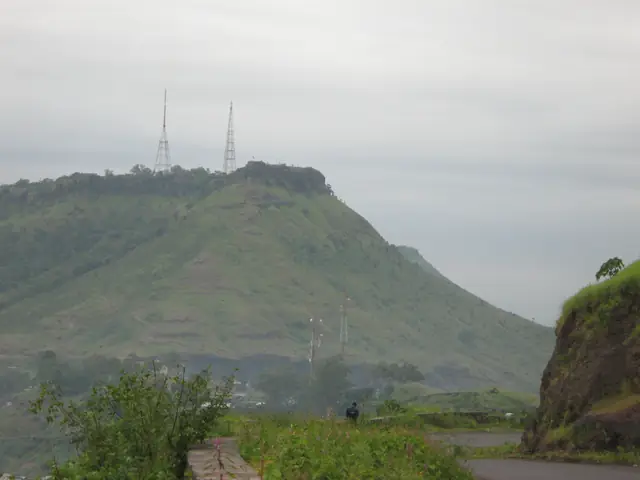
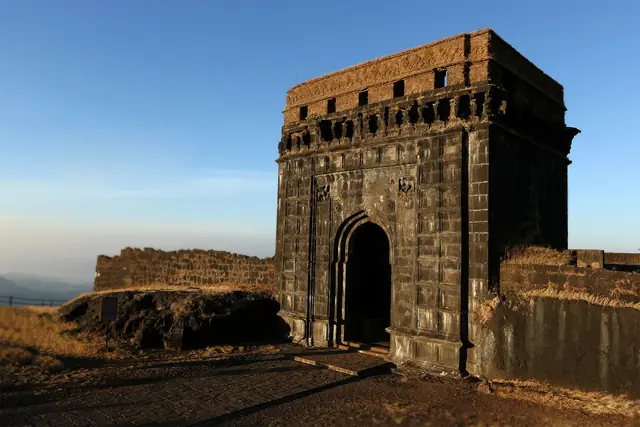
After Sambhaji’s execution in 1689, his brother Rajaram carried on the war from Jinji in the south, while Santaji Ghorpade and Dhanaji Jadhav ranged across the Deccan. Rajaram came back to Maharashtra in 1698 and made Satara his seat. Aurangzeb, over eighty, decided to take the Maratha forts one by one. He arrived before Satara in December 1699 with his whole court. The fort, Ajinkyatara, sits on a steep hill above the town.
02The mine and the surrender
The Mughals dug mines under the walls. When the largest was fired in April 1700, part of the blast was thrown outwards and the falling rock crushed the Mughal storming party waiting below; the chroniclers say hundreds died. Meanwhile Chhatrapati Rajaram had died at Sinhagad in March, and the garrison’s supplies were low. On 21 April 1700 Prayagji Prabhu surrendered on terms. Aurangzeb renamed the fort Azamtara after his son. The Marathas recovered it in 1705.
Satara set the pattern for Aurangzeb’s last years: months of siege, heavy loss, a fort won, and the Marathas taking it back once his army moved on.