Cite
MLA
“Siege of Panhala (1701).” Hindu History, 2026, https://www.hinduhistory.in/battles/siege-of-panhala-1701/. Accessed .
APA
Hindu History. (2026). Siege of Panhala (1701). Retrieved , from https://www.hinduhistory.in/battles/siege-of-panhala-1701/
The garrison surrendered the fort for a payment in May 1701.
01A fort of many sieges
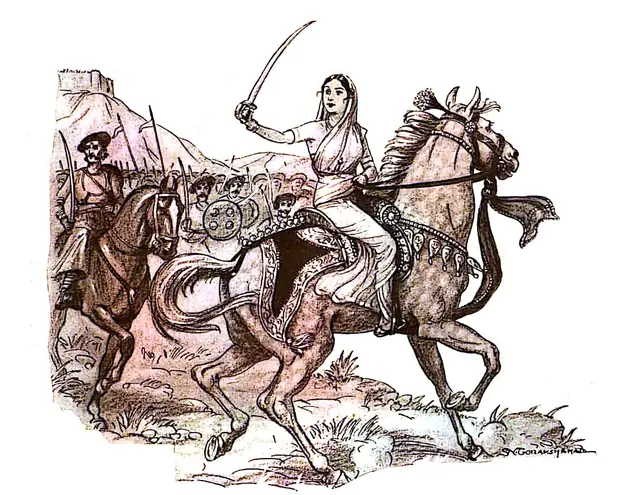
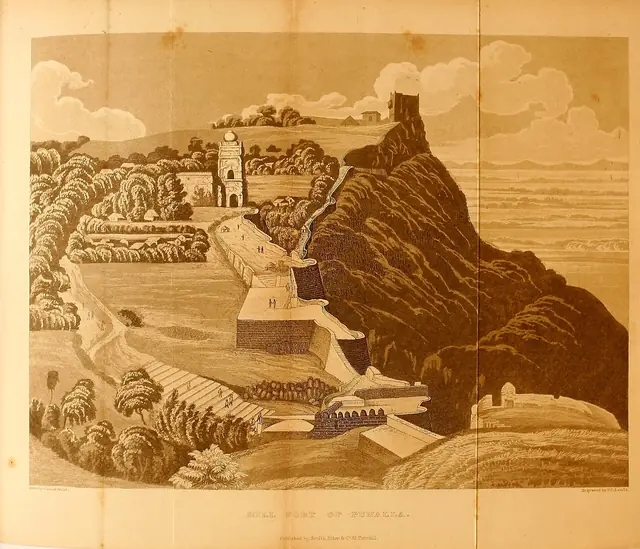
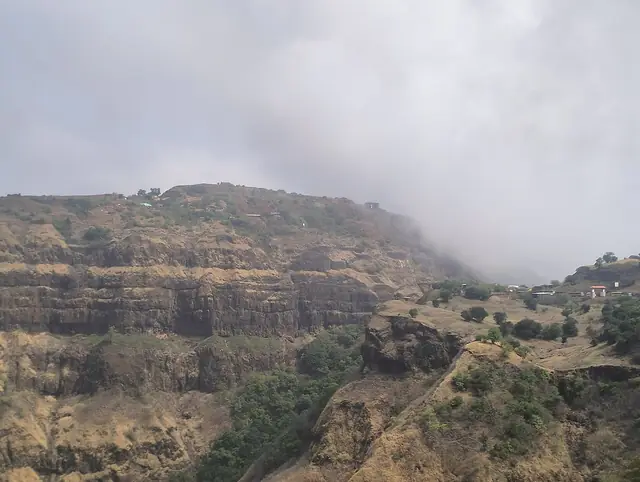
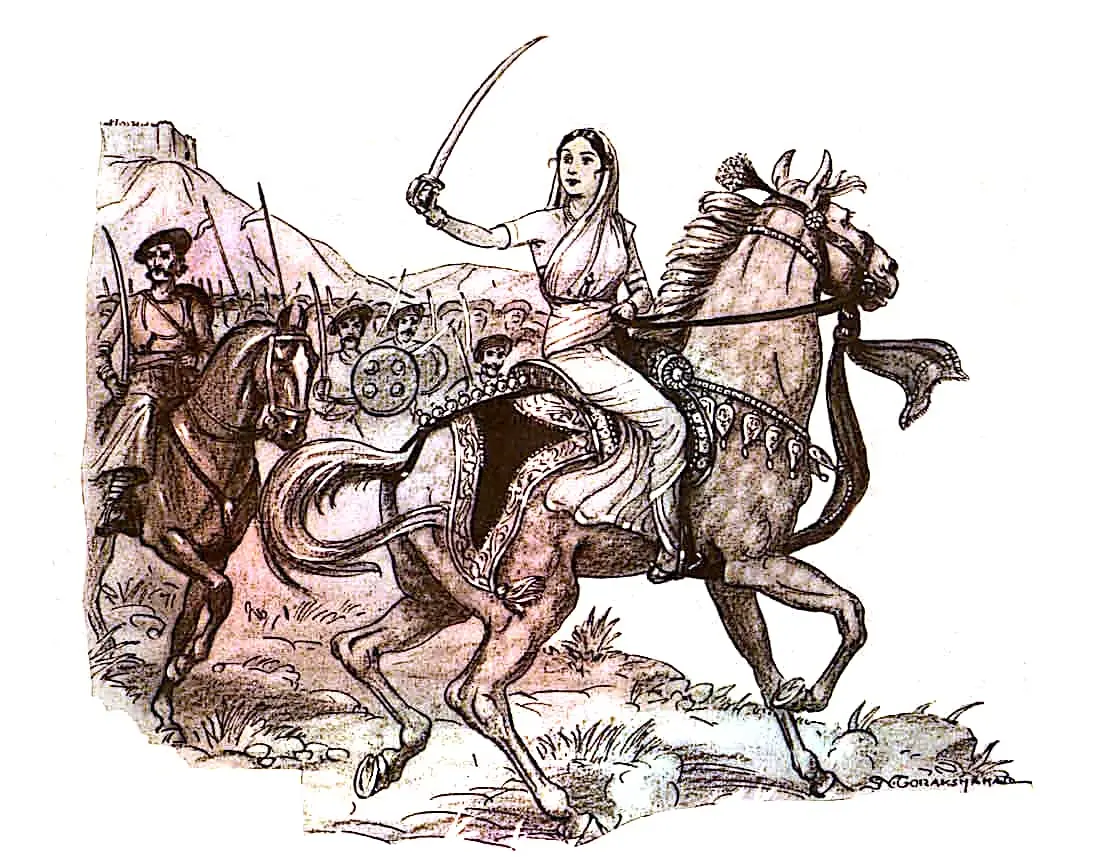
Panhala, on a long plateau north-west of Kolhapur, had been besieged by Siddi Jauhar in 1660, when Shivaji escaped to Vishalgad and Baji Prabhu Deshpande held the pass at Ghod Khind. After Rajaram’s death in 1700, his widow Tarabai led the Maratha state in the name of her young son. Aurangzeb, having taken Satara and Parli, marched on Panhala in March 1701. His guns were dragged up the ghats, and the fort was surrounded.
02Surrender for gold
The siege made slow progress against the cliffs. Outside, Maratha horse under Dhanaji Jadhav harassed the Mughal camp and its supply lines. In May 1701 the garrison agreed to give up the fort in return for a payment, and marched out. The Mughal chroniclers and Khafi Khan both say that by now many Maratha forts were being sold rather than stormed. Panhala did not stay Mughal for long: the Marathas retook it in 1705, and Tarabai later made it her capital.
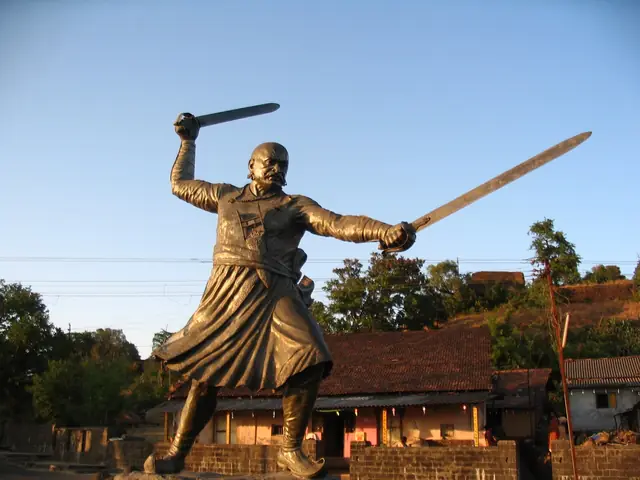
Panhala showed the hollowness of Aurangzeb’s fort war: forts bought at great cost, and lost again within a few years.