Cite
MLA
“Siege of Nargund (1785).” Hindu History, 2026, https://www.hinduhistory.in/battles/siege-of-nargund-1785/. Accessed .
APA
Hindu History. (2026). Siege of Nargund (1785). Retrieved , from https://www.hinduhistory.in/battles/siege-of-nargund-1785/
After a blockade of some five months Venkatrao surrendered, and Nargund passed back under Mysore.
01A tributary that looked to Pune
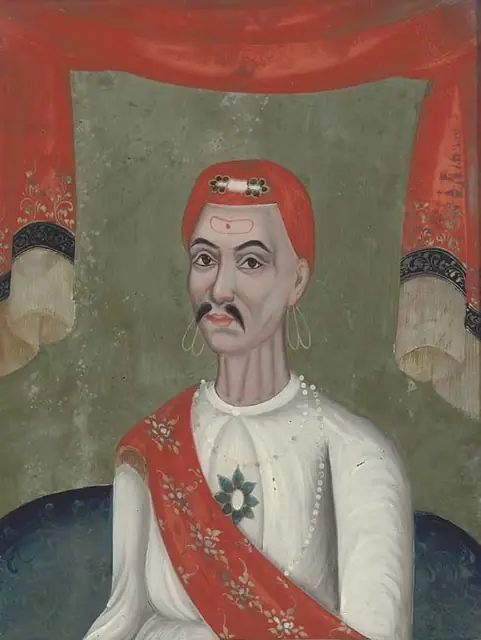
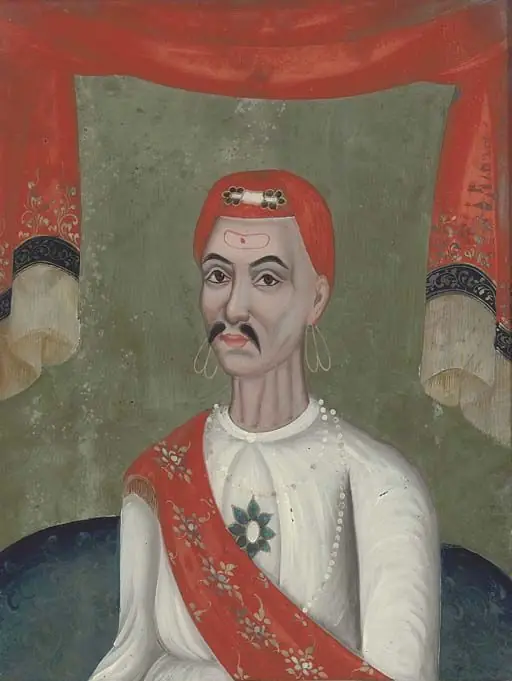
Nargund stands on a bare hill north of Gadag, between the Malaprabha and the Tungabhadra. Haidar Ali had taken it in 1778 and left its Bhave chief in place as a tributary. When Tipu raised the tribute after his father’s death, Venkatrao Bhave refused and wrote to Nana Phadnavis for help. Pune protested to Tipu. Tipu answered by sending Burhanuddin, his son-in-law, with an army to settle the matter.
02The blockade and its sequel
Burhanuddin closed round the fort in February 1785. A Maratha relief force came too late and too weak to break the ring. The garrison ran short of water and grain, and in July Venkatrao gave up the fort. Tipu’s men carried the chief and his family away as captives, contrary to the terms Pune believed had been agreed. Nana Phadnavis took this as an insult to the Peshwa’s protection, and within months the Marathas and the Nizam were in the field against Mysore.
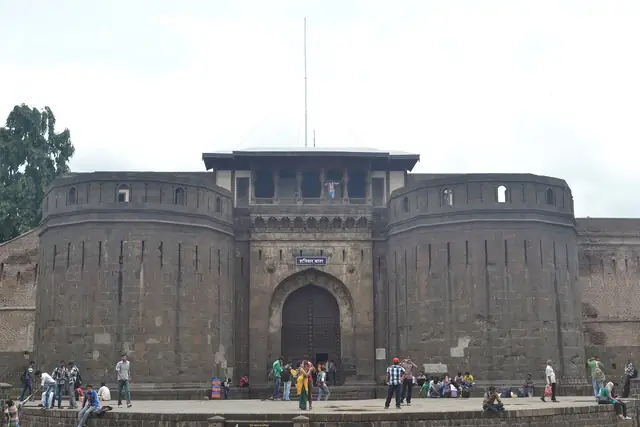
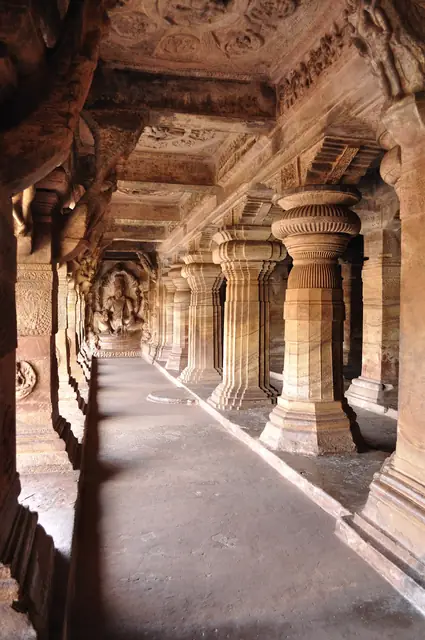
Nargund was the spark of the Maratha–Mysore war of 1785–87, fought at Badami, Adoni, Savanur and Bahadur Benda.