Cite
MLA
“The Delhi civil war of 1753.” Hindu History, 2026, https://www.hinduhistory.in/battles/delhi-civil-war-1753/. Accessed .
APA
Hindu History. (2026). The Delhi civil war of 1753. Retrieved , from https://www.hinduhistory.in/battles/delhi-civil-war-1753/
After months of fighting in and around the capital, Safdar Jang gave up and withdrew to Awadh in November 1753.
01A wazir dismissed
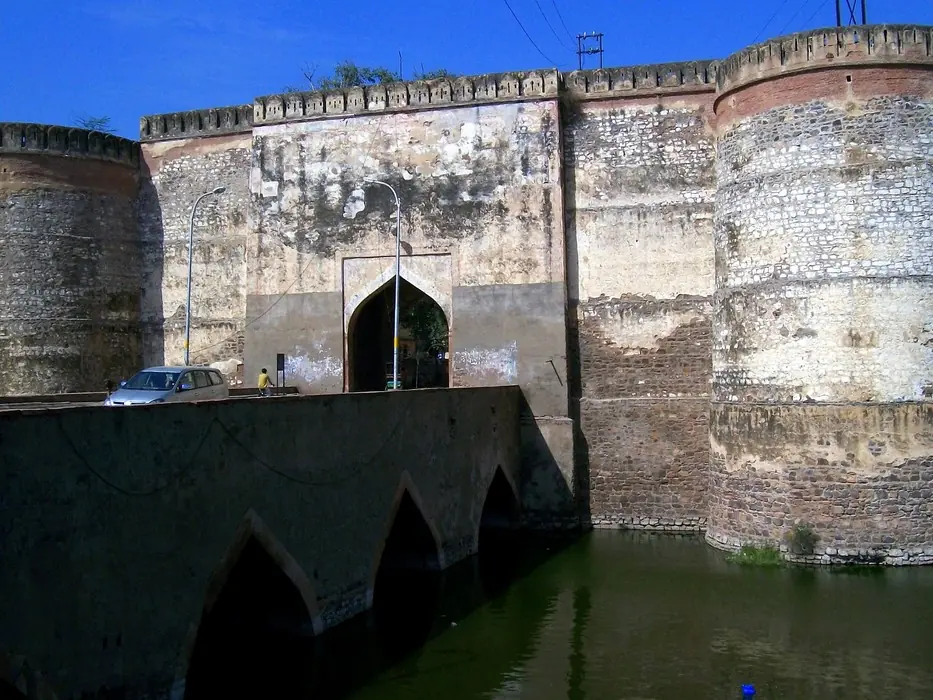
Safdar Jang, Nawab of Awadh and wazir since 1748, had made enemies of the emperor and the Turani nobles. In March 1753 he left the capital in anger, was dismissed, and set up his camp outside the walls. Young Imad-ul-Mulk, grandson of the first Nizam, led the court party and called in Najib Khan’s Rohillas. Safdar Jang crowned a youth as a rival emperor and brought in Suraj Mal’s Jats.
02Eight months of fighting
From spring to autumn the two sides fought around the Purana Qila, Old Delhi and the suburbs. In May the Jats sacked the old city and its outlying quarters, a plunder Delhi long remembered. Neither side could win outright. Imad-ul-Mulk sought Maratha help, and Raja Madho Singh of Jaipur brokered terms. In November 1753 Safdar Jang left for Awadh, keeping his province but losing the wazirship; he died the next year.
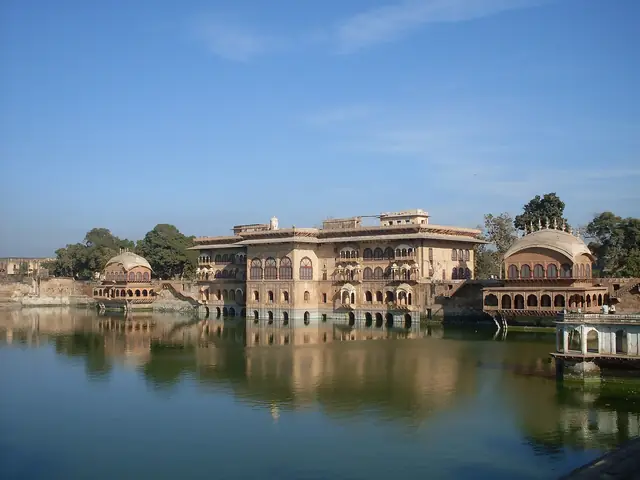
The war left the throne in the hands of Imad-ul-Mulk and opened Delhi’s politics to the Marathas, the Jats and the Rohillas alike.