Cite
MLA
“Siege of Ahmedabad (1753).” Hindu History, 2026, https://www.hinduhistory.in/battles/siege-of-ahmedabad-1753/. Accessed .
APA
Hindu History. (2026). Siege of Ahmedabad (1753). Retrieved , from https://www.hinduhistory.in/battles/siege-of-ahmedabad-1753/
Jawan Mard Khan surrendered Ahmedabad on terms, and the capital of Gujarat passed to the Marathas, shared between the Peshwa and Damaji.
01A joint army
Released in 1752 after agreeing to share Gujarat with Pune, Damaji Gaekwad joined forces with the Peshwa’s brother Raghunathrao, who left Pune in December 1752. Ahmedabad, the old capital of the Gujarat sultans, was held by Jawan Mard Khan Babi, a Mughal noble who had made himself almost independent. The Marathas closed round the walled city early in 1753.
02The city gives in
Jawan Mard Khan defended the walls stoutly, but no help could reach him and food in the city ran low. After a long siege he surrendered on terms in the spring of 1753 and was allowed to keep estates of his own. The Peshwa named Shripatrao Bapuji governor and gave Damaji part of the city’s revenue. A Mughal attempt to retake Ahmedabad in 1756 was beaten off, and the city stayed Maratha until the First Anglo-Maratha War.
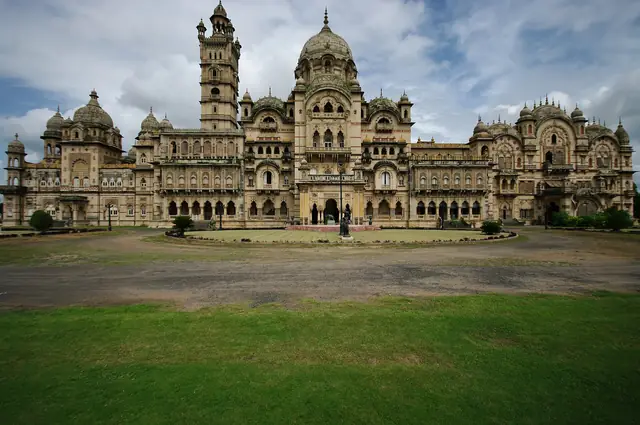
The fall of Ahmedabad ended Mughal Gujarat and made the province a Maratha possession under the Peshwas and the Gaekwads of Baroda.