Cite
MLA
“Battle of Pattankudi.” Hindu History, 2026, https://www.hinduhistory.in/battles/battle-of-pattankudi-1799/. Accessed .
APA
Hindu History. (2026). Battle of Pattankudi. Retrieved , from https://www.hinduhistory.in/battles/battle-of-pattankudi-1799/
The Kolhapur army won and the veteran general Parashuram Bhau was killed in the fighting.
01A quarrel between Maratha houses
In the confusion at Poona after the death of Madhavrao II in 1795, the Kolhapur branch of the Bhonsles saw a chance to settle old scores with the Patwardhans, whose jagirs at Tasgaon and Miraj lay next door. Kolhapur’s troops overran Patwardhan villages. Parashuram Bhau, who had led the Peshwa’s armies against Tipu at Dharwar and in 1791–92, gathered his men and marched south into the Chikkodi country.
02The fall of Parashuram Bhau
The armies met at Pattankudi in September 1799. The Kolhapur horse, led by the Chhatrapati himself, broke the Patwardhan force, and Parashuram Bhau was cut down as he tried to rally it. His death was a heavy blow to the Peshwa’s party. His son Ramchandrapant carried on the feud, and the Patwardhan lands were not secure until the British settlement of the southern jagirs in 1812.
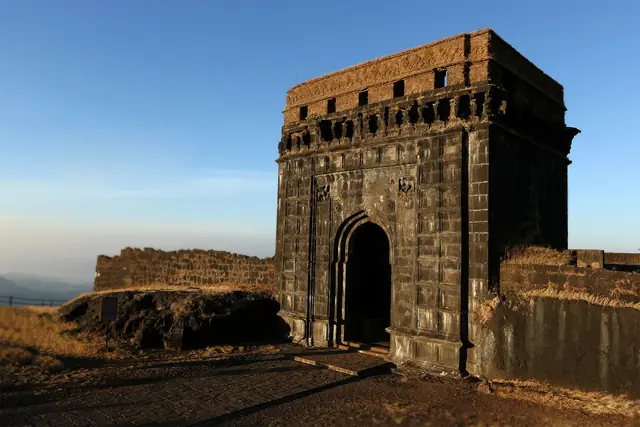
One more sign of how the Maratha houses were turning on each other in the years before the Second Anglo-Maratha War.