Cite
MLA
“Langula Narasimhadeva I.” Hindu History, 2026, https://www.hinduhistory.in/people/narasimhadeva-i/. Accessed .
APA
Hindu History. (2026). Langula Narasimhadeva I. Retrieved , from https://www.hinduhistory.in/people/narasimhadeva-i/
Life in moments
- 011238
Son of Anangabhima Deva III; reigned 1238–1264.
- 021243
Defeated Tughral Tughan Khan at Katasin in 1243 and besieged Lakhnauti in 1244, as Minhaj-i-Siraj records.
- 031246
First king of Odisha called Gajapati, in a Kapilash inscription of 1246.
- 041250
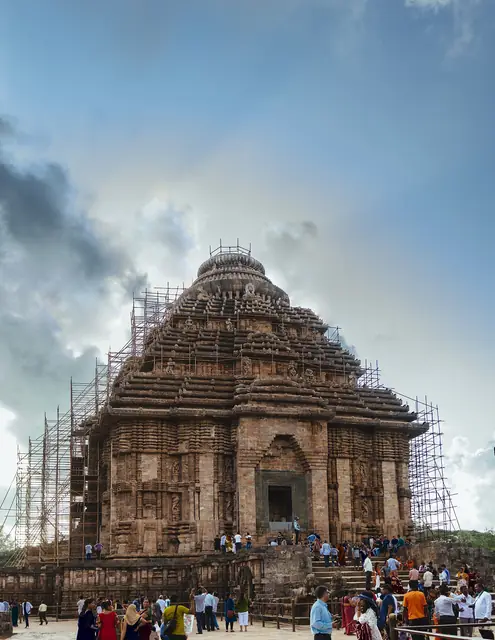
Built the Sun temple at Konark around 1250; UNESCO World Heritage Site since 1984.
- 05
Built the fort of Raibania; his queen Sitadevi was a Paramara princess of Malwa.
01Into Bengal
He was the son of Anangabhima Deva III, who had held off the Turkic rulers of Bengal, and he came to the throne in 1238. In 1243, with his Haihaya brother-in-law Paramardideva commanding, the Odia army marched north into Rarh. At Katasin the Bengal governor Tughral Tughan Khan came against them. Minhaj-i-Siraj, the Persian chronicler, was in the Muslim camp and describes the day in his Tabaqat-i-Nasiri: the Odia troops seemed to fall back, the enemy halted for the midday meal, and then they were attacked and cut down. In 1244 the Odia army pressed on into Rarh and Varendra and laid siege to Lakhnauti itself; its commander Fakhr-ul-Mulk Karimuddin Laghri was killed in the field. From 1247 a new governor, Ikhtiyar-ud-Din Yuzbak, fought to drive them back, with mixed fortune on both sides.
02Gajapati
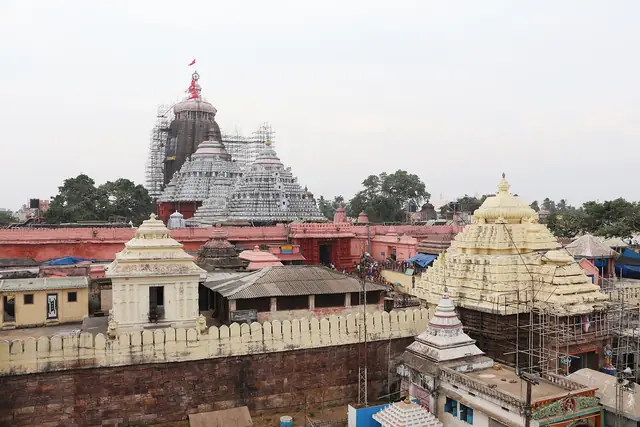
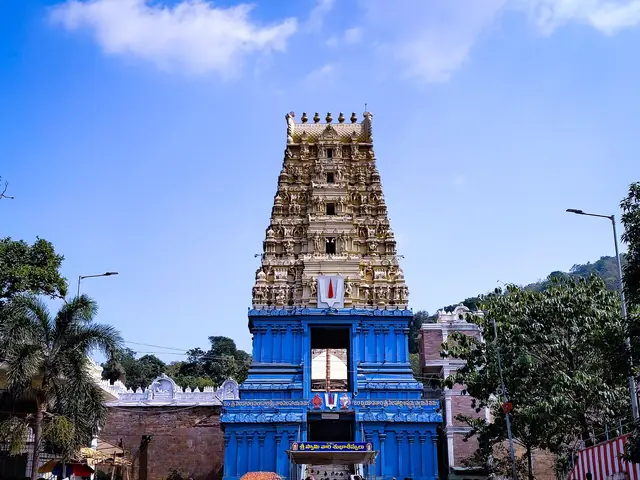
An inscription of 1246 at the Kapilash temple is the first to give a king of Odisha the title Gajapati, lord of elephants, which the rulers of Odisha bore for centuries after. His court poet Vidyadhara, in the Ekavali, praises his army, and the Kendupatana plates of his grandson recall the Bengal wars in a verse that says the Ganga ran dark with the collyrium washed from the eyes of the widows of Rarh and Varendra. His queen Sitadevi, the same plates say, was a daughter of the Paramara king of Malwa. He fought the Kakatiya Ganapatideva in the south as well. He built the great fort of Raibania in Balasore and is credited with work at the Varaha-Lakshmi-Narasimha temple at Simhachalam. The name Langula, ‘the tailed’, has been explained in several ways; an 18th-century Ganga chronicle says it came from the long robe that swept behind him when he walked fast.
03The chariot of Surya
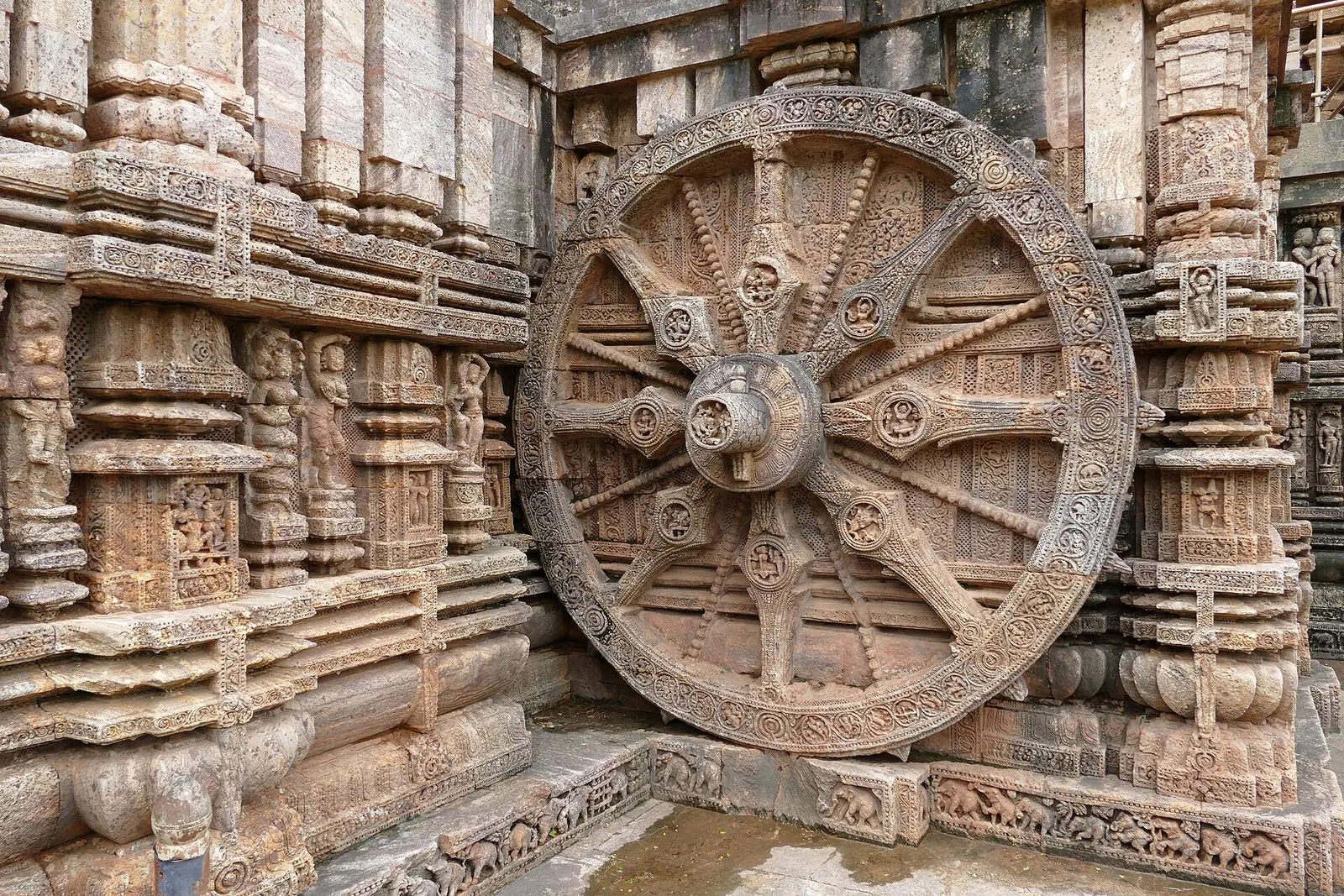
Around 1250, at Konark on the sea north-east of Puri, near the mouth of the Chandrabhaga, he raised a temple to Surya in the shape of the god’s chariot: twenty-four carved stone wheels, about 3.7 metres across, drawn by seven horses, with the sanctum tower once over sixty metres high. The work was overseen by Shiva Samantaraya Mahapatra, and palm-leaf records of the planning and building, in Sanskrit in Odia script, were found in a village in the 1960s, a rare survival for any Hindu temple. Its walls carry Vishnu, Shiva, Gajalakshmi, Narasimha and the Vedic gods, and panels that show the king himself at court and at worship. The great tower has fallen; sailors called the ruin the Black Pagoda. In 1903 the British sealed the jagamohana and filled it with sand to stop its collapse, UNESCO listed the temple in 1984, and in 2022 the ASI began taking the sand out. Narasimhadeva died in 1264.