Cite
MLA
“Mata Saraswati.” Hindu History, 2026, https://www.hinduhistory.in/devata/saraswati/. Accessed .
APA
Hindu History. (2026). Mata Saraswati. Retrieved , from https://www.hinduhistory.in/devata/saraswati/
पावका नः सरस्वती वाजेभिर्वाजिनीवती। यज्ञं वष्टु धियावसुः॥
pāvakā naḥ sarasvatī vājebhir vājinīvatī | yajñaṃ vaṣṭu dhiyāvasuḥ ||
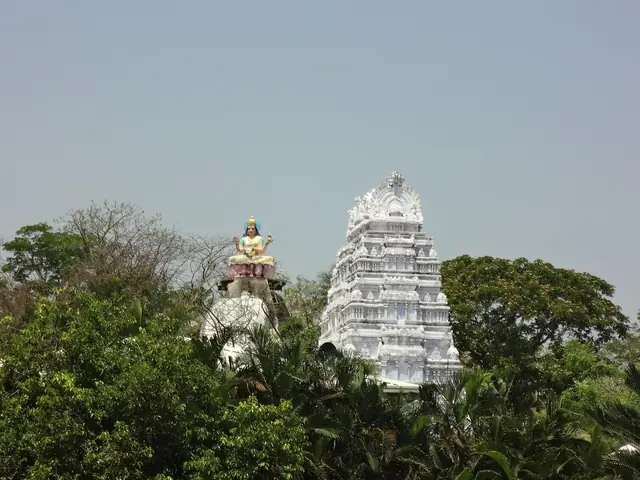
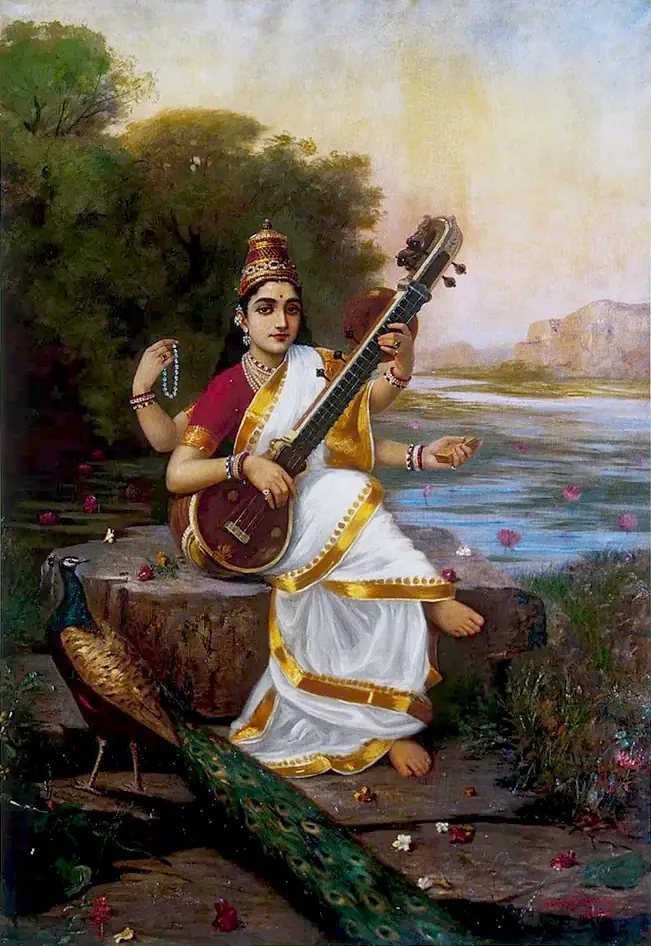
Fair, dressed in white, seated on a white lotus or a rock by water, with four arms: two play the vina, the others hold a book and an akshamala. A swan, sometimes a peacock, is near her.
01River and word
In the Rigveda, Sarasvati is first a river, the best of mothers, best of rivers, best of Devis (ambitame nadītame devitame sarasvati, Rigveda 2.41.16). The same hymns call her the one who purifies, who wakes good thoughts and lights up every prayer (Rigveda 1.3.10–12). The Brahmanas join her to Vak, speech itself. By the time of the Puranas, she is Brahma’s consort, the power through which he creates by the word, and the Devi every student bows to before opening a book.
02Vasant Panchami and the first letters
On Vasant Panchami, the fifth day of the bright half of Magha, she is worshipped in yellow; in Bengal every school and college sets up her murti, and children do not study that day because the books are on her altar. In the south, Saraswati Puja falls in Navaratri, when books, instruments and tools are laid before her. Small children write their first letters in a plate of rice on Vijayadashami (Vidyarambham in Kerala, Aksharabhyasam in Andhra and Telangana).
03Sharada Peeth, Sringeri, Basar
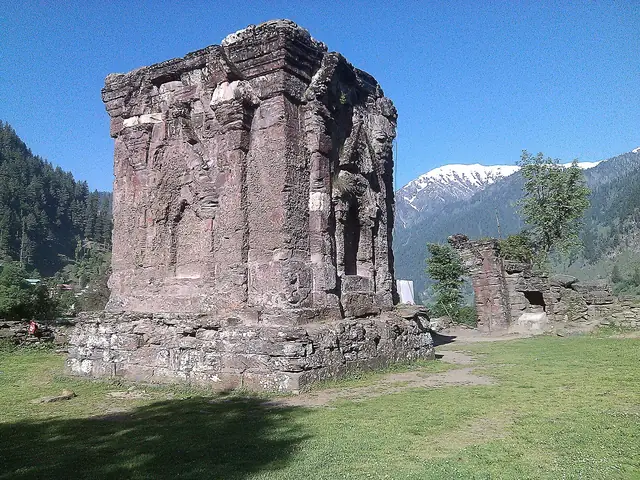
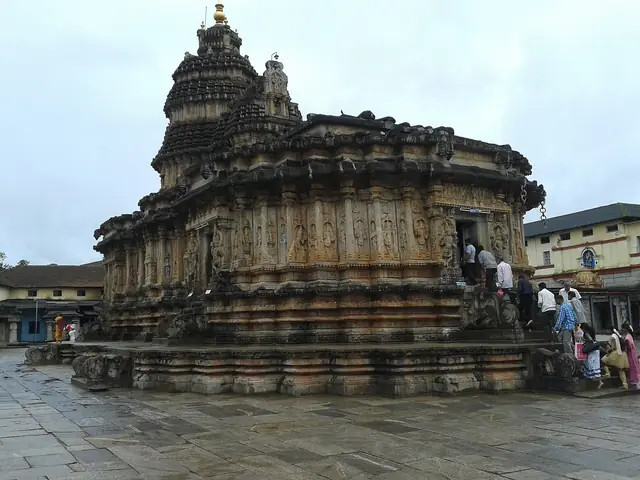
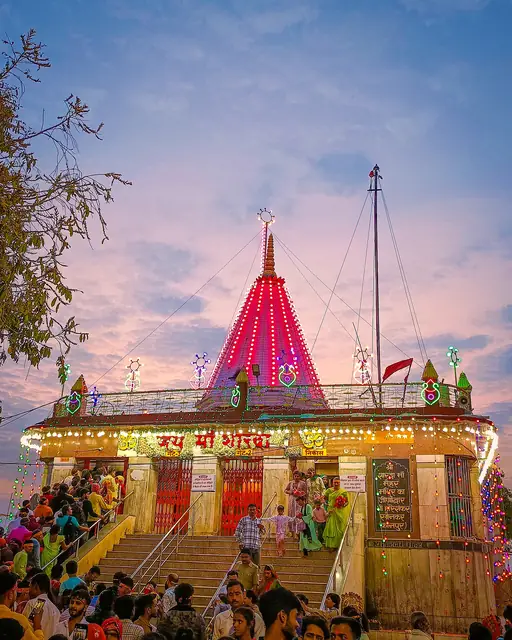
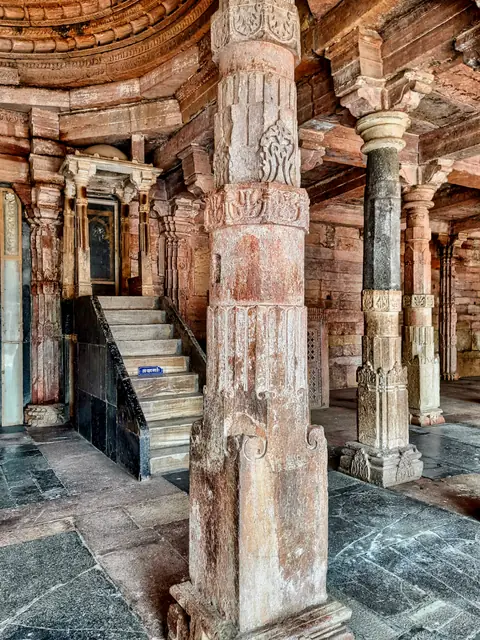
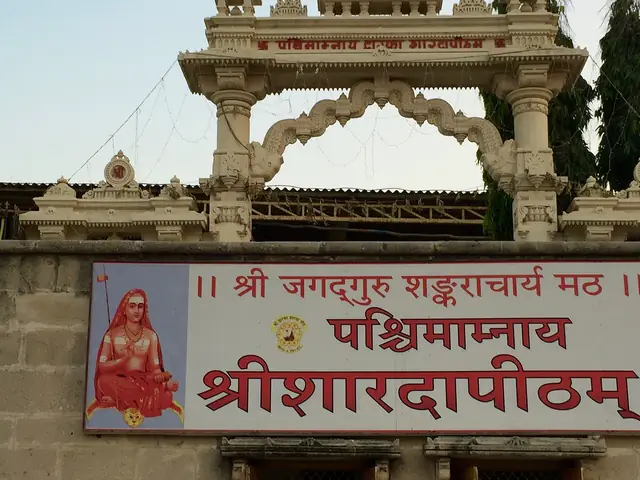
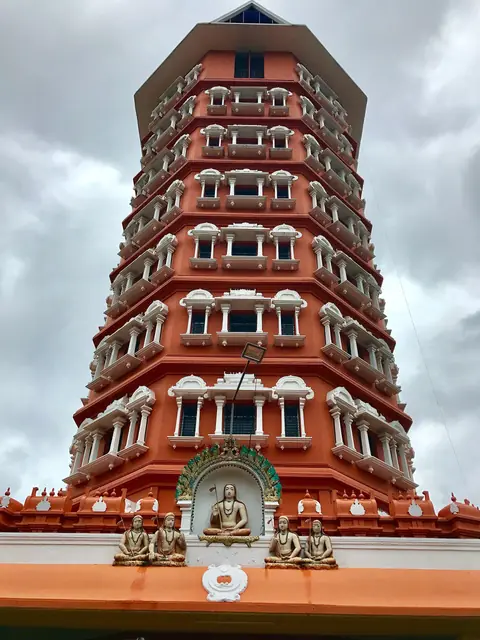
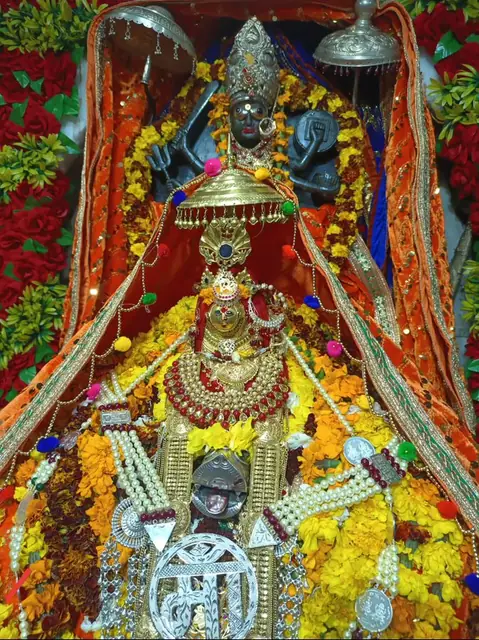
Sharada Peeth in Kashmir, on the Kishanganga river, was once a great seat of learning; the Shankara Digvijaya says Adi Shankaracharya ascended its throne of all-knowledge. It lies today across the Line of Control. Shankaracharya established Sharadamba at Sringeri on the Tunga, where the matha has kept her worship unbroken. At Basar on the Godavari in Telangana, Gnana Saraswati draws families who bring children for their first letters. At Dhar, Raja Bhoja’s Bhojshala was raised for Vagdevi in the eleventh century.
In the texts
- Rigveda 1.3.10–12 and 2.41.16–18
- Devi Bhagavata Purana
- Shankara Digvijaya (Sharada Peeth)