Cite
MLA
“Basant Panchami (Saraswati Puja).” Hindu History, 2026, https://www.hinduhistory.in/utsav/basant-panchami/. Accessed .
APA
Hindu History. (2026). Basant Panchami (Saraswati Puja). Retrieved , from https://www.hinduhistory.in/utsav/basant-panchami/
How it is kept
- 01
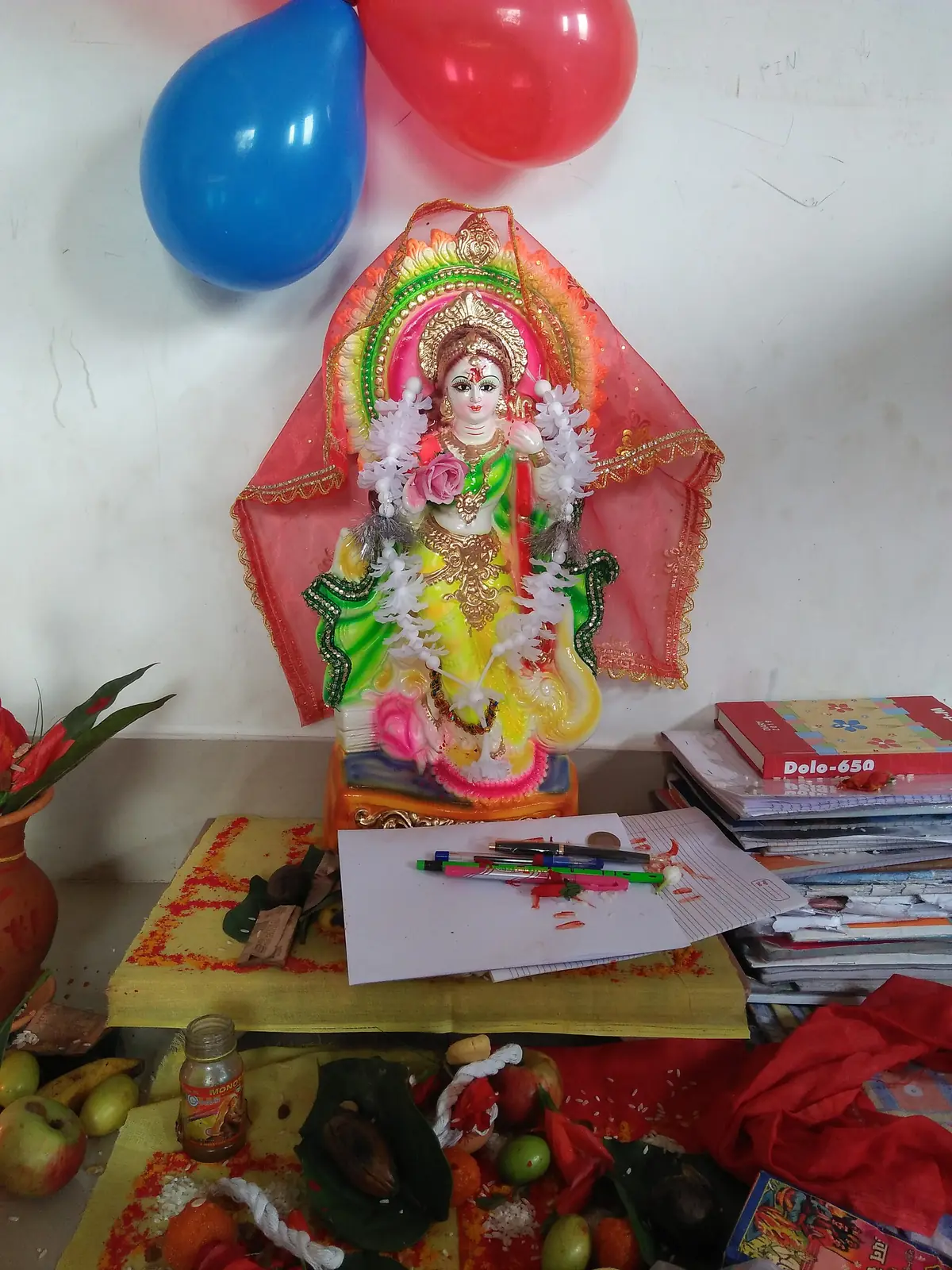
Saraswati puja with books, pens and instruments placed before the Devi
- 02
Vidyarambha or akshara abhyasam for small children
- 03
Yellow clothes and yellow saffron rice
- 04
Kite flying in Punjab
- 05
The Holi pole planted in Braj
01Saraswati’s day
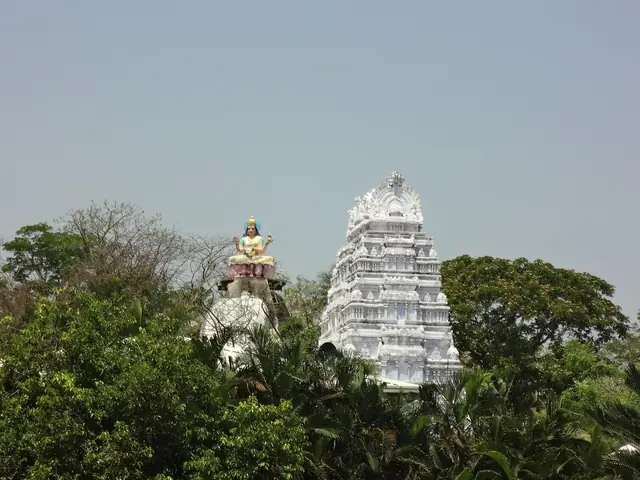
The Devi Bhagavata Purana, in its ninth skandha, says that Shri Krishna was the first to worship Saraswati, on the fifth day of the bright half of Magha, and that since then she has been worshipped on this day in every world. In the Rigveda she is first a river and then speech itself, vak. In Bengal the image is white-robed, seated on a swan with the veena; students offer palash flowers and plums, and do not eat the new plums of the season until the Devi has had them. Hate khori, the first writing, is done with chalk on a slate.
02Yellow fields and the first Holi
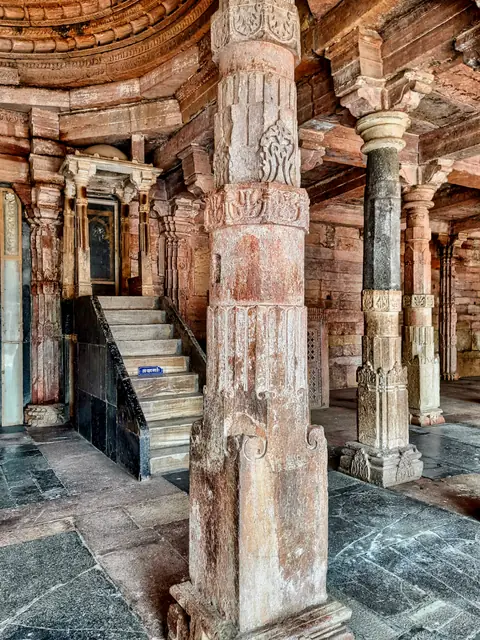
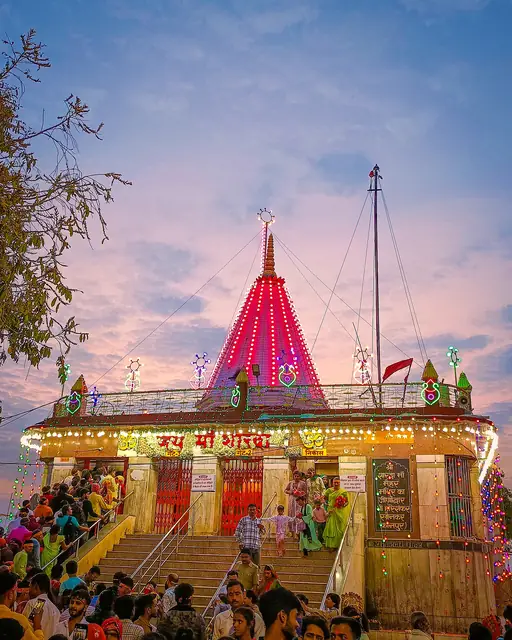
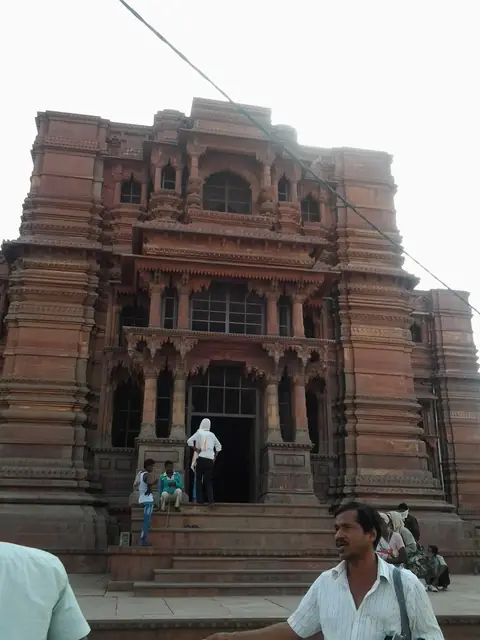
In the north Basant is the turning of the season, with the mustard in flower, so people dress in yellow, cook yellow rice with saffron, and in Punjab fly kites. In Braj the Holi pole is planted in the village square this day, and the temples of Vrindavan begin to play with gulal. At Bhojshala in Dhar, the hall of learning built in the time of Raja Bhoja, Hindus gather for the Vagdevi puja on Basant Panchami, and at the Saraswati temple of Basar on the Godavari children are brought for akshara abhyasam.
Bengal, Bihar, Odisha, Assam and Tripura as Saraswati Puja; Punjab and Haryana with kites; Braj, where the Holi season opens; Nepal