Cite
MLA
“Devi Lalita Tripurasundari.” Hindu History, 2026, https://www.hinduhistory.in/devata/lalita-tripurasundari/. Accessed .
APA
Hindu History. (2026). Devi Lalita Tripurasundari. Retrieved , from https://www.hinduhistory.in/devata/lalita-tripurasundari/
श्रीमाता श्रीमहाराज्ञी श्रीमत्सिंहासनेश्वरी।
चिदग्निकुण्डसम्भूता देवकार्यसमुद्यता॥
śrīmātā śrīmahārājñī śrīmatsiṃhāsaneśvarī |
cidagnikuṇḍasambhūtā devakāryasamudyatā ||
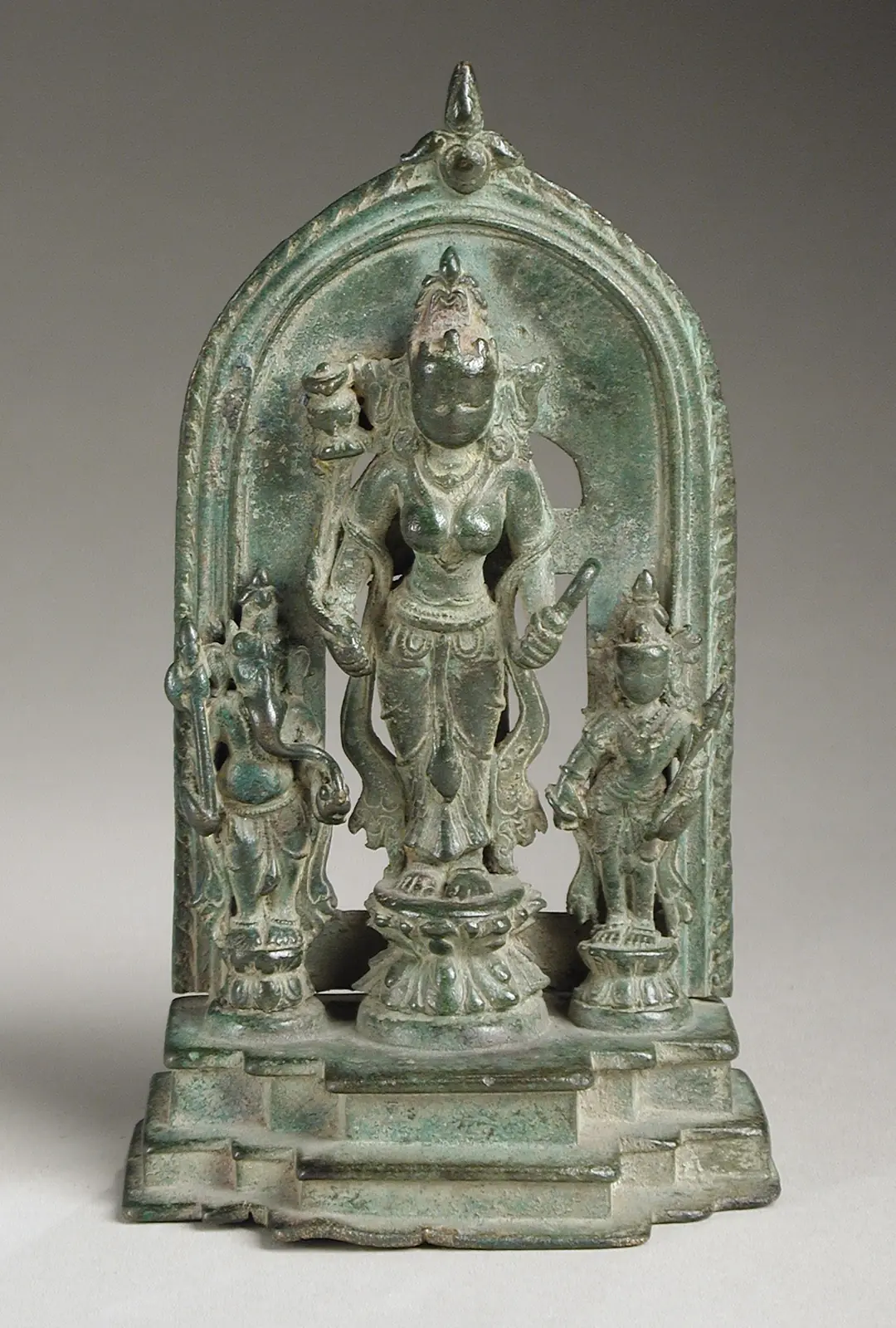
A girl of sixteen, red as the rising sun, four-armed: the pasha (noose) and ankusha (goad) above, the sugarcane bow and the five flower arrows below. She sits on a lotus that rests on Sadashiva, on a throne whose legs are Brahma, Vishnu, Rudra and Ishvara. Her yantra is the Shri Chakra of nine interlocking triangles, four pointing up for Shiva and five pointing down for Shakti; built up in three dimensions it is the Meru.
01The thousand names
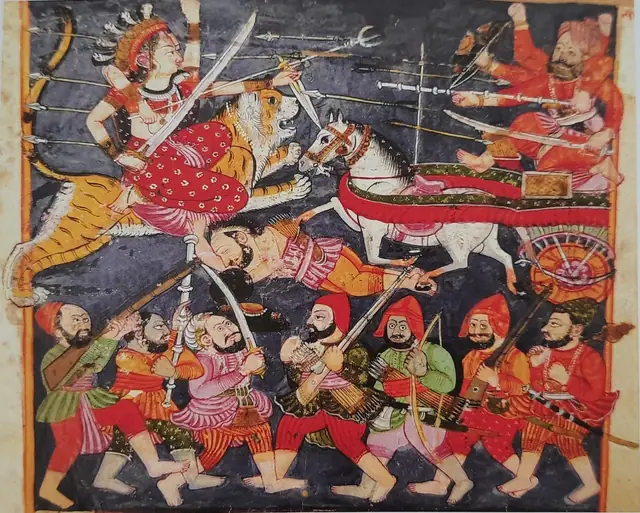
The Lalita Sahasranama comes from the Lalitopakhyana, the closing part of the Brahmanda Purana, where Bhagwan Hayagriva teaches it to Maharshi Agastya. Its first verse already tells the katha: śrīmātā śrīmahārājñī, the auspicious Mother, the great queen, cidagnikuṇḍasambhūtā, born from the fire-pit of consciousness, devakāryasamudyatā, risen for the work of the devas. The devas had offered themselves into a fire to end the asura Bhandasura, born from the ash of Kamadeva, and the Devi came out of the flames. The Lalitopakhyana describes the war that followed in detail. Unlike most sahasranamas, this one never repeats a name.
02Shri Vidya and the Shri Chakra
Shri Vidya is the path of worship of Lalita, and its upasakas worship her above all in the Shri Chakra, which they hold to be her subtle body. The Saundarya Lahari, carried in the name of Adi Shankaracharya, praises her from the crown of her head to her feet in a hundred verses, and Bhaskararaya’s Saubhagya Bhaskara is the commentary on the Sahasranama that later teachers lean on. Among the ten Mahavidyas she is the third, Shodashi; the Shrikula traditions take her as the highest of them, as the Kalikula traditions take Kali. Fridays are hers, and Lalita Jayanti falls on Magha Purnima. In many homes the Sahasranama is recited every Friday.
03Kanchi, Tripura and other seats
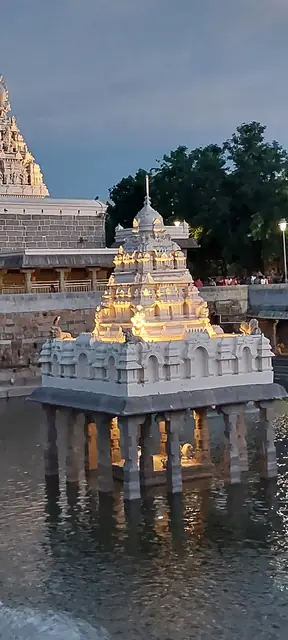
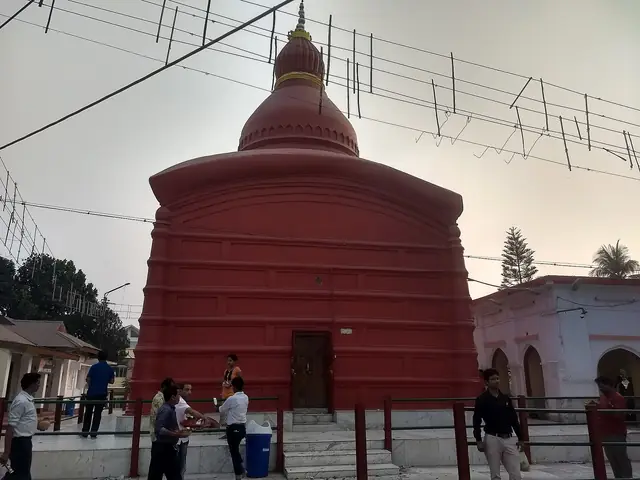
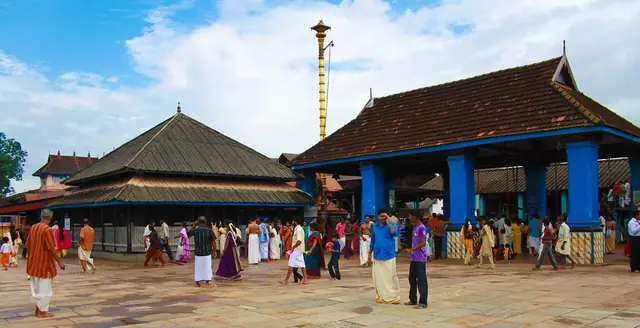
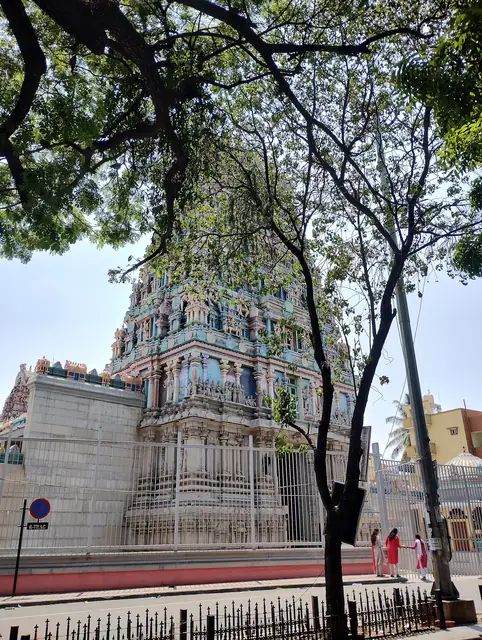
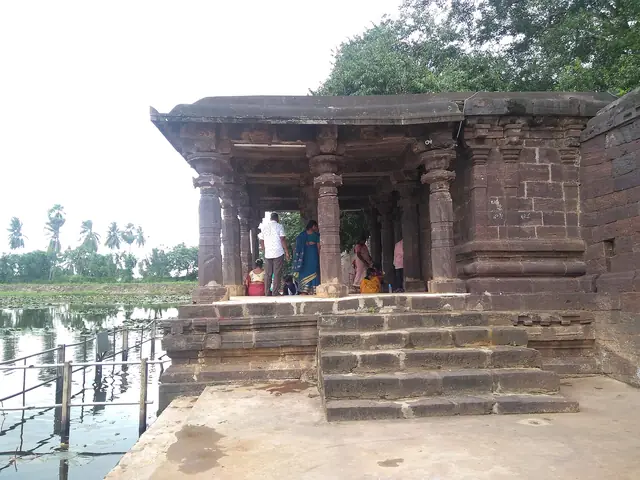
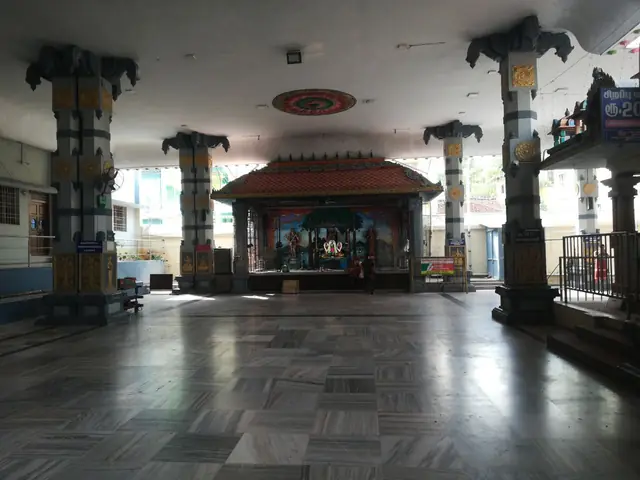
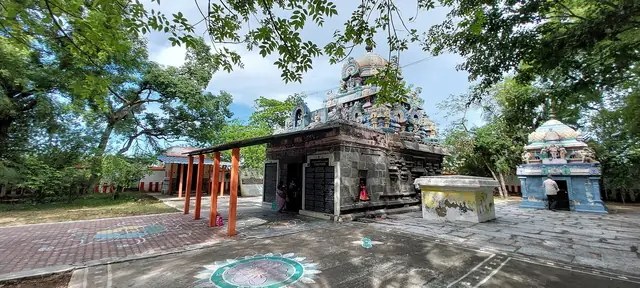
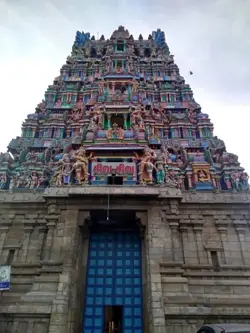
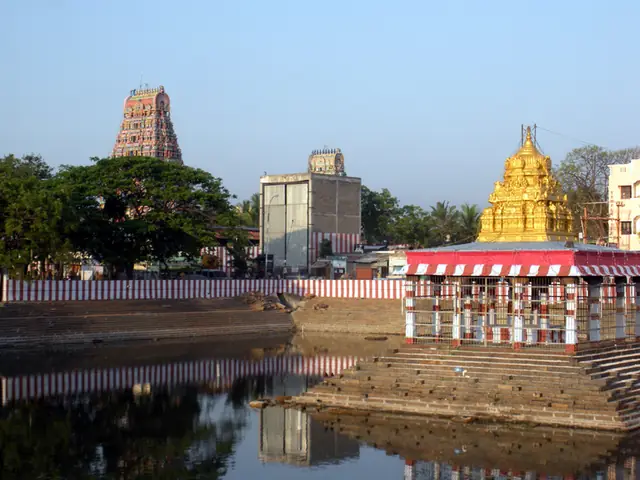
At Kanchipuram, Kamakshi sits in padmasana holding the four weapons of Lalita, and the Kanchi Kamakoti Peetham holds that Adi Shankaracharya installed the Shri Chakra before her. In Tripura, Maharaja Dhanya Manikya built the Tripura Sundari temple at Udaipur in 1501 on a hill shaped like a tortoise’s back, the Kurma Peetha, where tradition says the right foot of Mata Sati fell. At Naimisharanya, where the Puranas were first recited, Lalita Devi is the presiding Devi. At Chottanikkara in Kerala she is Rajarajeshwari, worshipped as Saraswati, Lakshmi and Durga through the day, and at Samalkot in Andhra she stands beside Shiva as Bala Tripura Sundari.
In the texts
- Lalita Sahasranama, Brahmanda Purana (Lalitopakhyana)
- Saundarya Lahari
- Saubhagya Bhaskara of Bhaskararaya
- Tantrasara