Cite
MLA
“The Dasha Mahavidya.” Hindu History, 2026, https://www.hinduhistory.in/devata/dasha-mahavidya/. Accessed .
APA
Hindu History. (2026). The Dasha Mahavidya. Retrieved , from https://www.hinduhistory.in/devata/dasha-mahavidya/
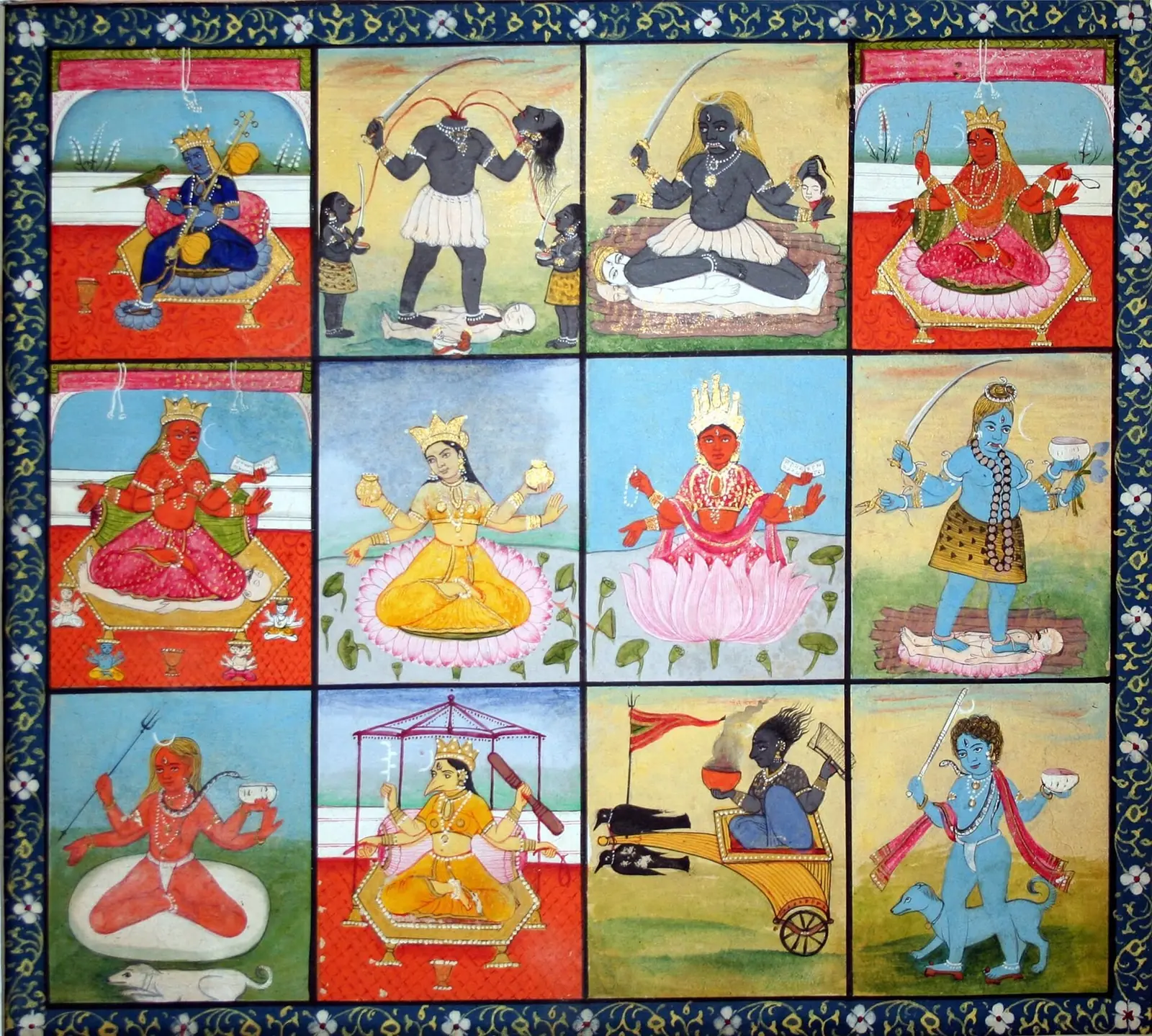
Each has her own form. Kali is dark and naked, garlanded with heads. Tara is blue and stands on Shiva. Shodashi is a girl of sixteen. Bhuvaneshvari holds the noose and goad and blesses. Bhairavi is red and fierce. Chhinnamasta holds her own severed head, which drinks from the streams of blood rising from her neck. Dhumavati is an old widow in a chariot with a crow on its banner. Bagalamukhi, dressed in yellow, holds an enemy by the tongue. Matangi plays the vina. Kamala sits on a lotus while elephants pour water over her.
01The ten, and how they appeared
The usual order is Kali, Tara, Tripura Sundari (Shodashi), Bhuvaneshvari, Bhairavi, Chhinnamasta, Dhumavati, Bagalamukhi, Matangi and Kamala. The Mahabhagavata Purana tells how they came forth. Daksha was holding his yajna without inviting Shiva, and Sati wished to go. When Mahadev forbade her, she grew terrible, and as he turned to leave, ten forms of the Devi stood in the ten directions to block his way. Seeing them, Shiva understood who his wife was and let her go. The Shakta tradition places their home in Manidvipa, the jewelled island of the Mahadevi, and the Devi Bhagavata Purana and Rudra Yamala Tantra describe them.
02Kalikula and Shrikula
Two great streams of Shakta worship read the ten differently. The Kalikula takes Kali as the highest and the other nine as her forms; the Shrikula takes Tripura Sundari as the highest. The Todala Tantra pairs each Mahavidya with one of the ten avatars of Vishnu, while the Guhyatiguhya Tantra turns it around and says the avatars came forth from the Mahavidyas. Their worship is the work of initiates, done with the guru’s mantra and yantra, and much of it is kept quiet. The Gupta Navaratris of Magha and Ashadha, the two ‘hidden’ Navaratris, are the seasons for it.
03Where they are worshipped
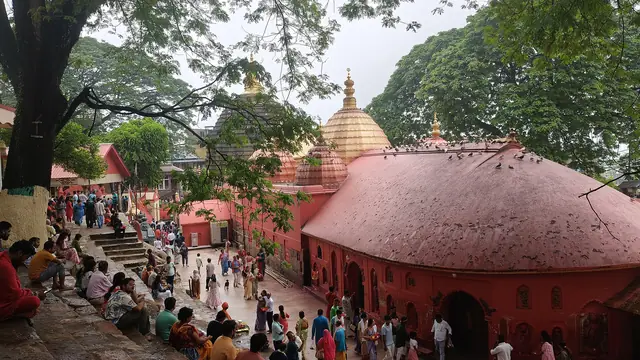
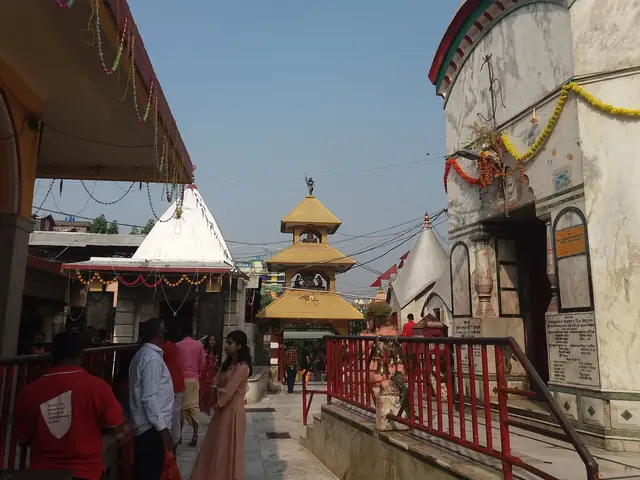
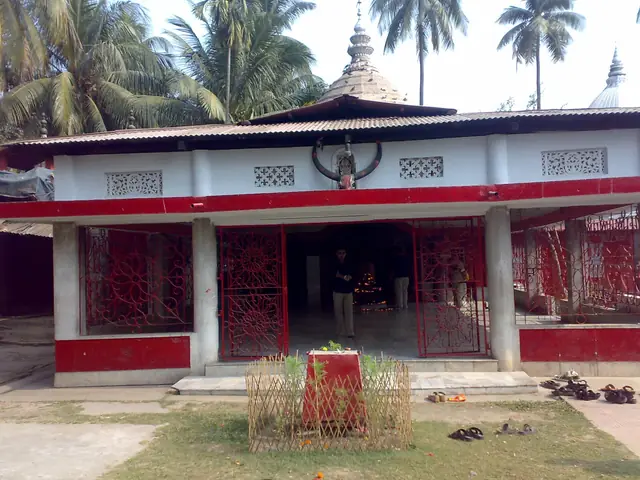
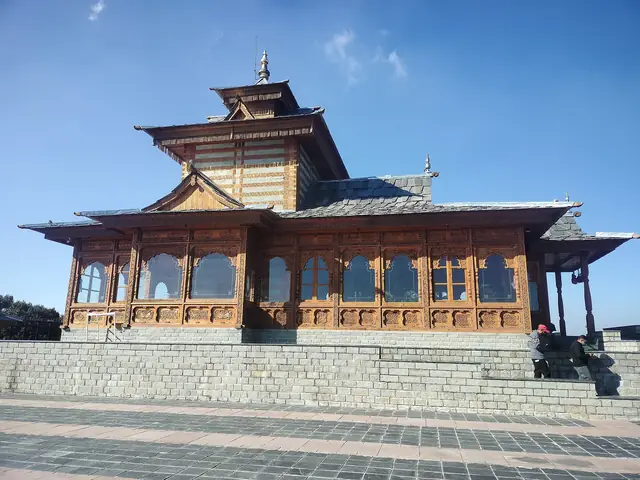
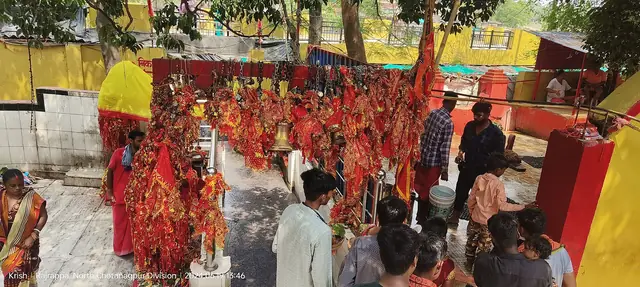
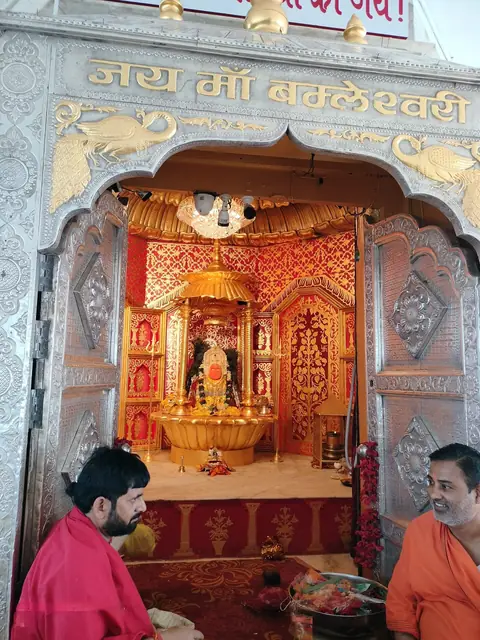
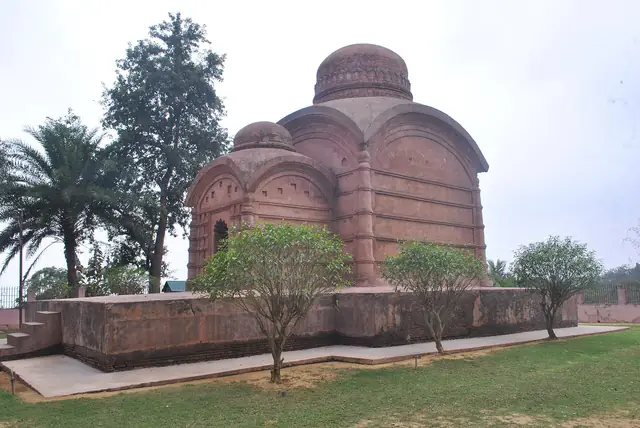
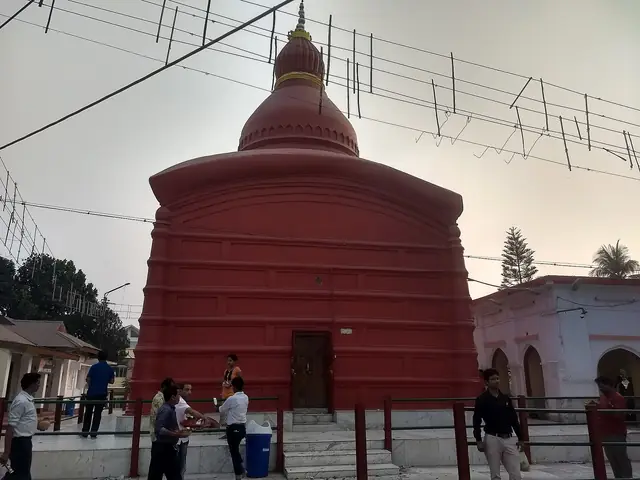
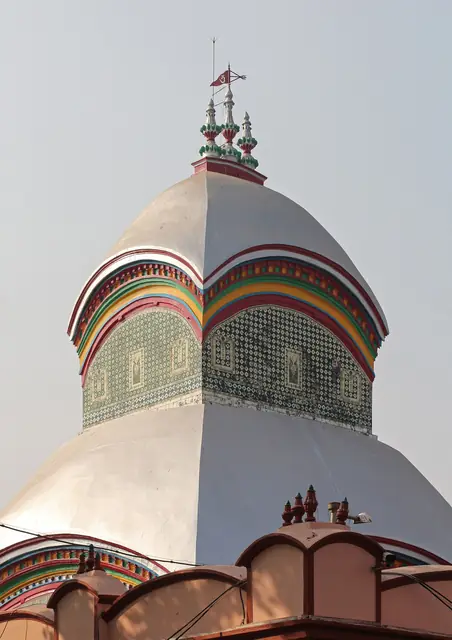
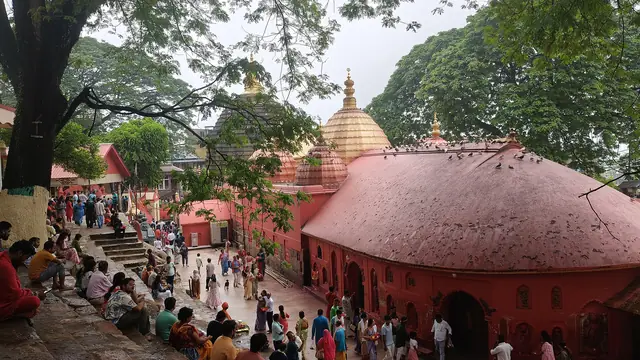
On the Nilachal hill at Kamakhya in Assam, the Mahavidyas have their own shrines around the great peetha. Tara is worshipped at Tarapith in Birbhum, at the Ugratara Devalaya in Guwahati as a small pool of water, and on a hilltop above Shimla. Chhinnamasta has her temple at Rajrappa, where the Bhairavi river meets the Damodar, and is worshipped as Chhinnamastika at Chintpurni in Himachal. At the Pitambara Peeth in Datia, Bagalamukhi and Dhumavati are worshipped side by side, and Nalkheda in Malwa keeps another old seat of Bagalamukhi. A Kangra painting of 1880 now in the Bhuri Singh Museum, Chamba, sets all ten in a row with their Bhairavas.
In the texts
- Mahabhagavata Purana
- Devi Bhagavata Purana
- Todala Tantra
- Rudra Yamala Tantra