Cite
MLA
“Mahmud’s sack of Thanesar.” Hindu History, 2026, https://www.hinduhistory.in/battles/mahmud-sack-of-thanesar/. Accessed .
APA
Hindu History. (2026). Mahmud’s sack of Thanesar. Retrieved , from https://www.hinduhistory.in/battles/mahmud-sack-of-thanesar/
Mahmud took and plundered Thanesar and carried its great image of Chakrasvamin to Ghazni.
01The raid
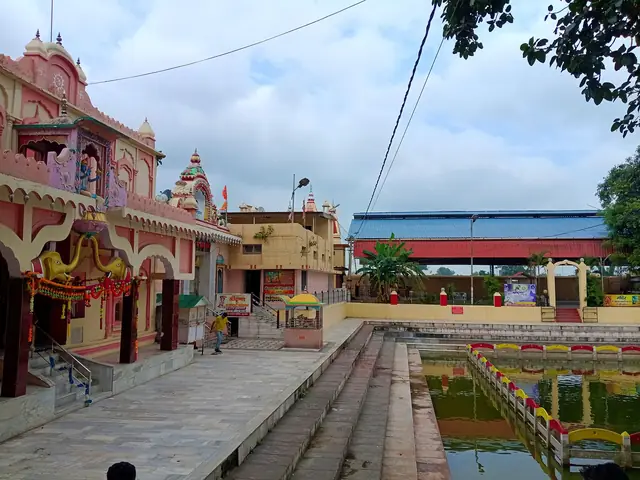
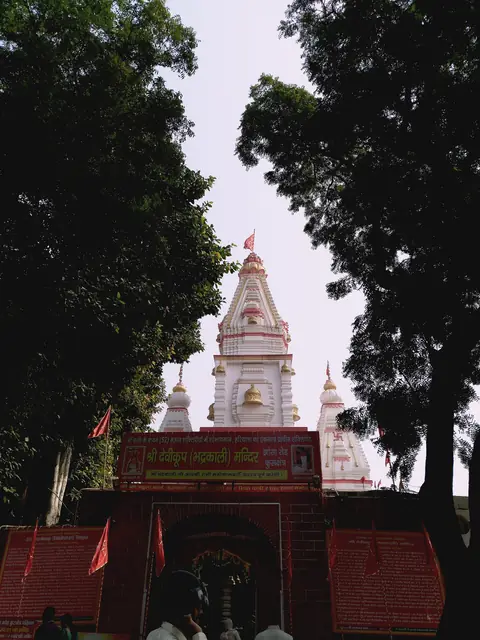
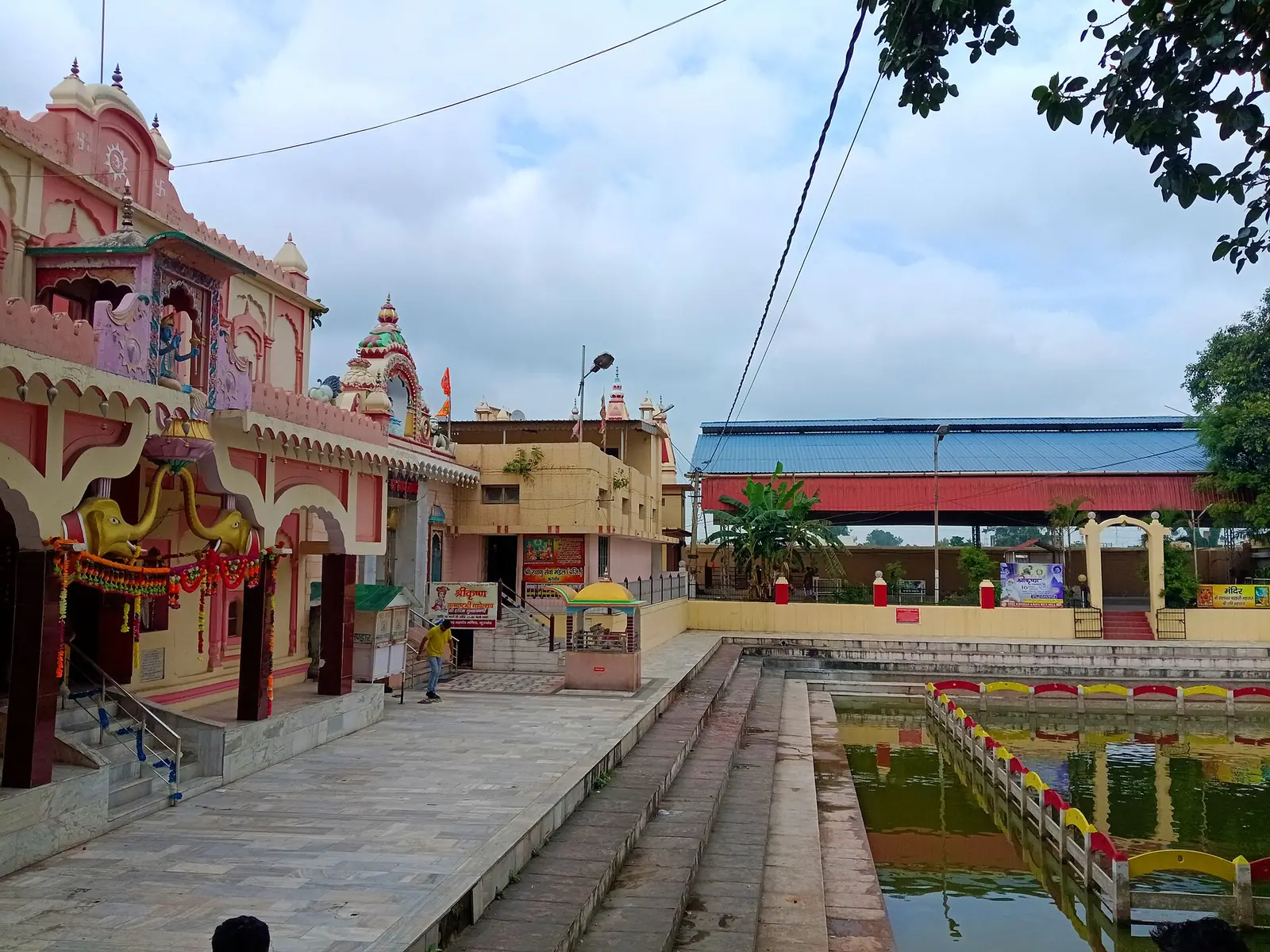
Al-Utbi records that Mahmud heard of Thanesar as a place held in great reverence by the Hindus and marched on it. The Hindu Shahi Anandapala, the sources say, sent an offer of tribute if the town were spared, which Mahmud refused. A local force tried to defend the crossing of a stream and was beaten. The town was plundered before help could gather, and the army returned to Ghazni with captives and treasure.
02Chakrasvamin
Al-Biruni, who knew India well, writes in his Kitab al-Hind that the image of Chakrasvamin, Vishnu bearing the discus, at Thanesar was of bronze and nearly the size of a man, and that it was brought to Ghazni and thrown into the hippodrome there, together with a bronze image from Somnath. He also notes that the Hindus connected the image with the Mahabharata war, Thanesar lying on the edge of Kurukshetra.
It was the first of Mahmud’s raids to strike a major tirtha in the Ganga–Yamuna country, a pattern that ended at Mathura, Kanauj and Somnath.