Cite
MLA
“Fall of Kirtipur.” Hindu History, 2026, https://www.hinduhistory.in/battles/fall-of-kirtipur-1767/. Accessed .
APA
Hindu History. (2026). Fall of Kirtipur. Retrieved , from https://www.hinduhistory.in/battles/fall-of-kirtipur-1767/
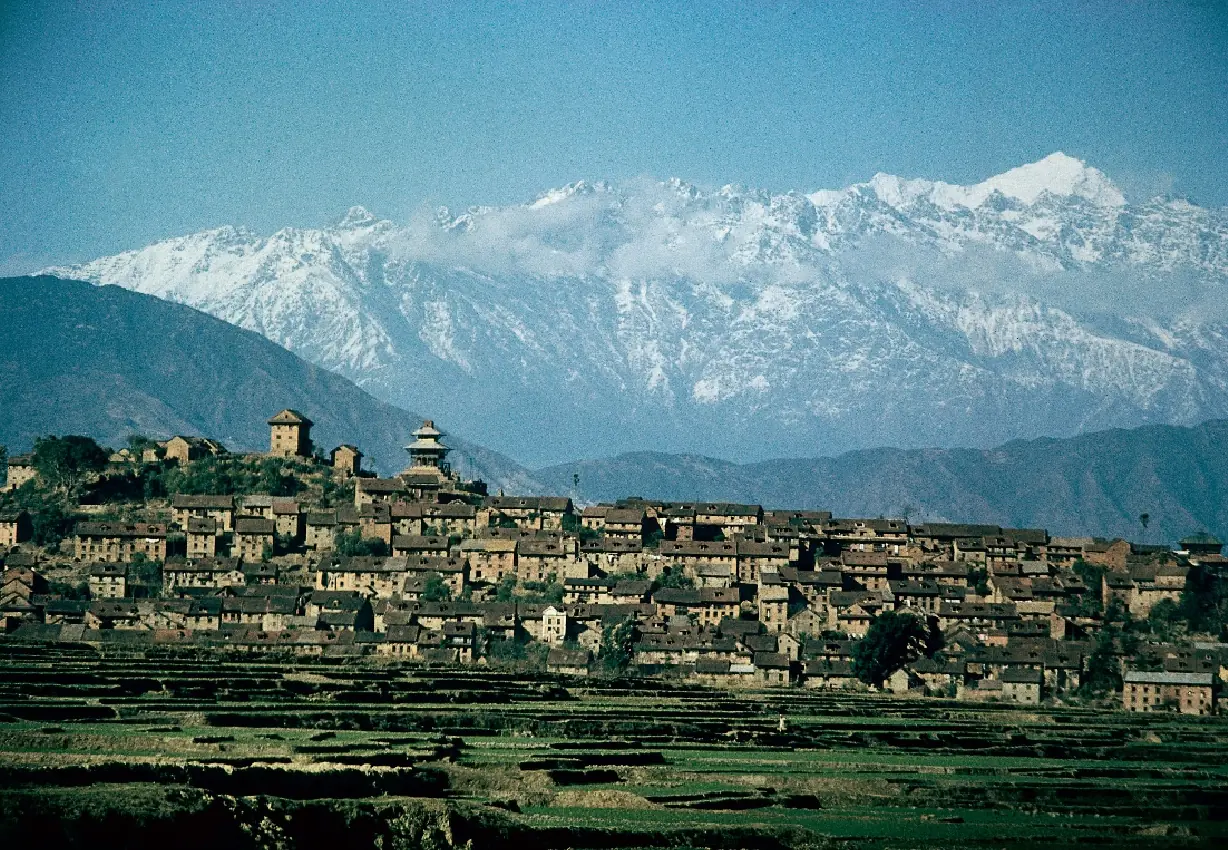
After two failed assaults and a long blockade, Kirtipur surrendered to the Gorkhalis in 1767; the Kathmandu valley fell within two years.
01Two defeats for Gorkha
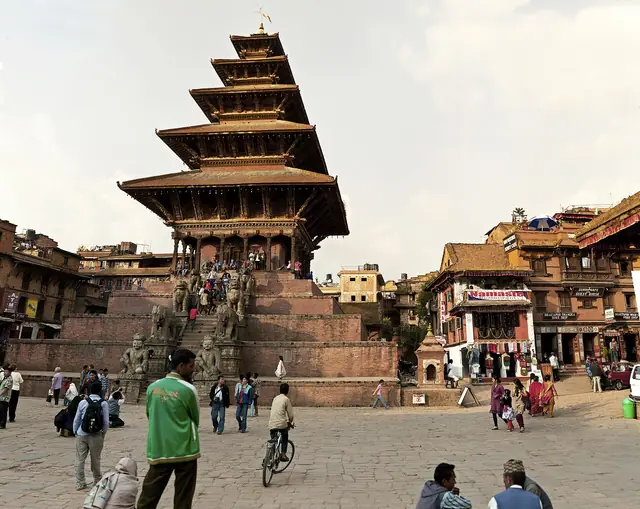
In the eighteenth century the Kathmandu valley was split among three Malla kingdoms, Kathmandu, Lalitpur and Bhaktapur, rich in temples and trade. Prithvi Narayan Shah, king of the small hill state of Gorkha, set out to unite the hills under one Hindu crown. His first attack on Kirtipur in 1757 failed, and his commander Kalu Pande was killed; the king barely escaped. A second attack in 1764 also failed, and his brother Surapratap was badly wounded.
02Blockade and surrender
Prithvi Narayan Shah then cut the valley off from the trade routes to Tibet and India and starved it slowly. Kirtipur, blockaded for months and promised mercy, surrendered in 1767. The promise was not kept in full. Capuchin missionaries then living in the valley recorded that the noses of the town’s men were cut off as punishment for their resistance, and Nepali accounts confirm it. Kirtipur’s people still tell of it.
03The valley falls
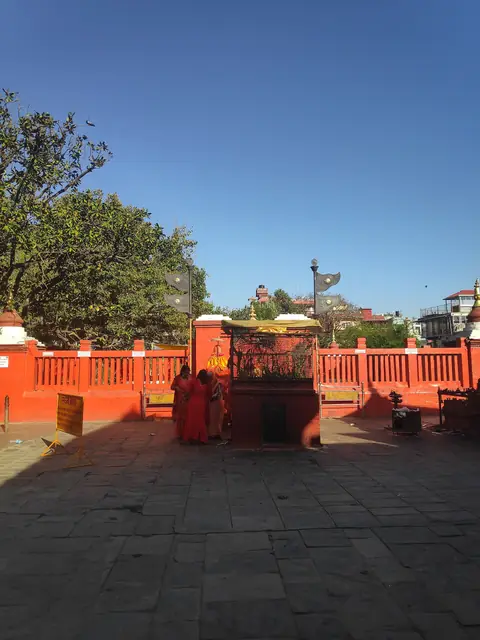
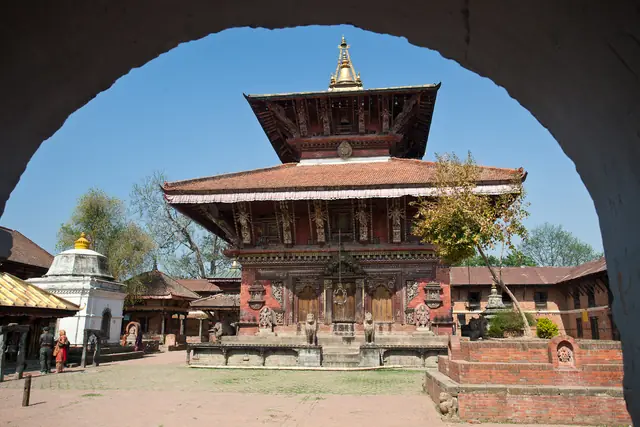
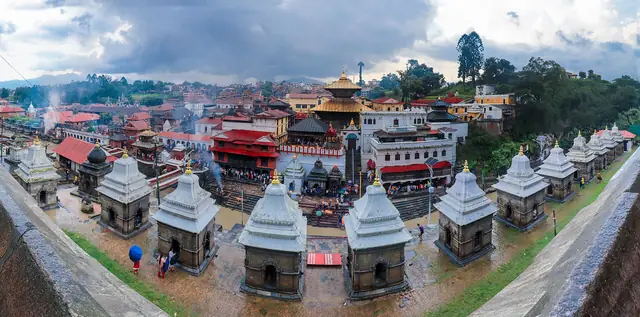
Kathmandu fell in September 1768, while its people were celebrating Indra Jatra, and Prithvi Narayan Shah received the blessing of the Kumari in place of the Malla king. Lalitpur followed soon after, and Bhaktapur in 1769. The Shah kings ruled Nepal from Kathmandu until 2008. Kirtipur, with its Bagh Bhairav and Uma Maheshwar temples, kept its Newar character.
The fall of Kirtipur ended Malla rule in the Kathmandu valley and made Gorkha the core of the kingdom of Nepal, the world’s only Hindu kingdom until 2008.