Cite
MLA
“Battle of Moti Talav.” Hindu History, 2026, https://www.hinduhistory.in/battles/battle-of-moti-talav-1771/. Accessed .
APA
Hindu History. (2026). Battle of Moti Talav. Retrieved , from https://www.hinduhistory.in/battles/battle-of-moti-talav-1771/
Haidar Ali’s army was routed and he escaped to Srirangapatna; in 1772 he made peace on the Peshwa’s terms.
01Madhavrao against Haidar
After Panipat in 1761, the young Peshwa Madhavrao I set about restoring Maratha power. Haidar Ali, who had taken control of the Wodeyar kingdom of Mysore, had pushed north into lands the Marathas claimed. Madhavrao led three campaigns against him. In the third, begun in 1770, the Peshwa fell ill with the consumption that would kill him and went back to Pune, leaving the army to his maternal uncle Trimbakrao Pethe.
02The rout at the lake
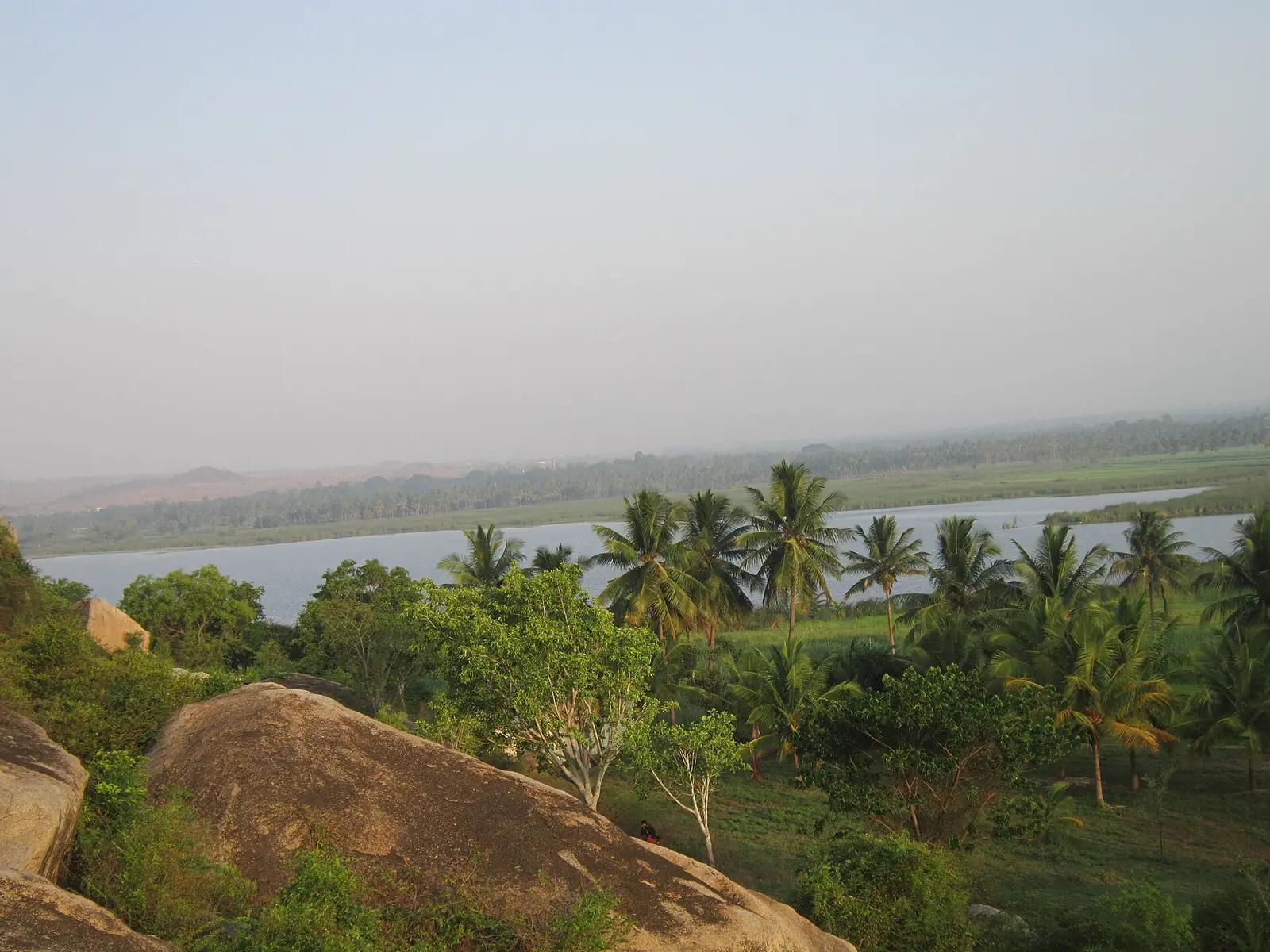
In March 1771 Haidar Ali tried to withdraw from the hills of Melkote towards his capital at Srirangapatna. Trimbakrao caught his army near the great tank of Tonnur, which the Marathas called Moti Talav, by Chinkurali. Haidar’s army was scattered, his guns and baggage taken. Haidar and Tipu escaped to Srirangapatna, Tipu by some accounts in disguise. Trimbakrao reported the victory to the Peshwa and the death of Nilkanthrao Patwardhan, one of his officers, in the fight.
03Peace and a short life
Srirangapatna itself held, and the Marathas did not take it. But in June 1772 Haidar agreed to pay a large sum and give up the districts the Peshwa demanded. Madhavrao died at Theur in November 1772, aged twenty-seven. Grant Duff, the Maratha historian, wrote that the plains of Panipat were not more fatal to the Maratha empire than the early end of this prince.
Moti Talav showed that ten years after Panipat the Marathas were again the strongest power in the Deccan.