Cite
MLA
“Lal Bahadur Shastri.” Hindu History, 2026, https://www.hinduhistory.in/people/lal-bahadur-shastri/. Accessed .
APA
Hindu History. (2026). Lal Bahadur Shastri. Retrieved , from https://www.hinduhistory.in/people/lal-bahadur-shastri/
Life in moments
- 011904
Born at Mughalsarai in 1904
- 021956
Resigned as Railway Minister after the Ariyalur accident in 1956
- 031964
Sworn in as Prime Minister on 9 June 1964
- 041965
Raised the slogan Jai Jawan Jai Kisan during the 1965 war
- 051966
Died at Tashkent on 11 January 1966; posthumous Bharat Ratna 1966
01The Shastri of Kashi Vidyapith
Lal Bahadur lost his father, Sharada Prasad Srivastava, before he was two and grew up in his maternal grandfather’s house. As a boy in Varanasi, too poor for the ferry fare, he is said to have swum the Ganga to school. At sixteen he left school in answer to Gandhi’s call for non-cooperation. He studied at the Kashi Vidyapith, where he earned the degree of Shastri that became his name, and dropped his caste surname for good. He spent about nine years in British jails between 1921 and 1945, including the Quit India years.
02Nineteen months as Prime Minister
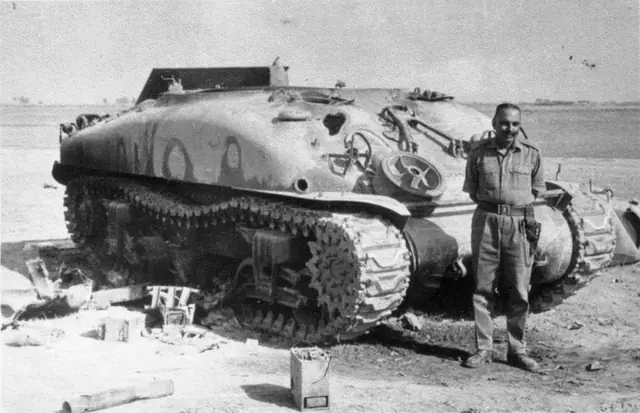
As Railway Minister he resigned in 1956 after a train disaster at Ariyalur in Tamil Nadu, taking the blame himself. After Nehru’s death he was sworn in as Prime Minister on 9 June 1964. The next year brought food shortages and, in September 1965, war with Pakistan. He let the army cross the international border towards Lahore and gave the country the cry Jai Jawan Jai Kisan, asking families to skip one meal a week to save grain. In January 1966 he signed the Tashkent Declaration with Ayub Khan and died there of a heart attack in the early hours of 11 January. He was given the Bharat Ratna that year, the first to receive it after death.