Cite
MLA
“Jallianwala Bagh massacre.” Hindu History, 2026, https://www.hinduhistory.in/ghatana/jallianwala-bagh-massacre/. Accessed .
APA
Hindu History. (2026). Jallianwala Bagh massacre. Retrieved , from https://www.hinduhistory.in/ghatana/jallianwala-bagh-massacre/
01Amritsar in April 1919
The Rowlatt Act of March 1919 allowed imprisonment without trial, and the Punjab rose in protest. On 10 April the British arrested two local leaders, Dr Saifuddin Kitchlew and Dr Satyapal; firing on the crowd that followed led to riots in which five Europeans were killed. Dyer took command and banned public meetings. On 13 April thousands gathered in the Bagh, many of them villagers in town for the Baisakhi fair who had not heard of the order.
02Ten minutes
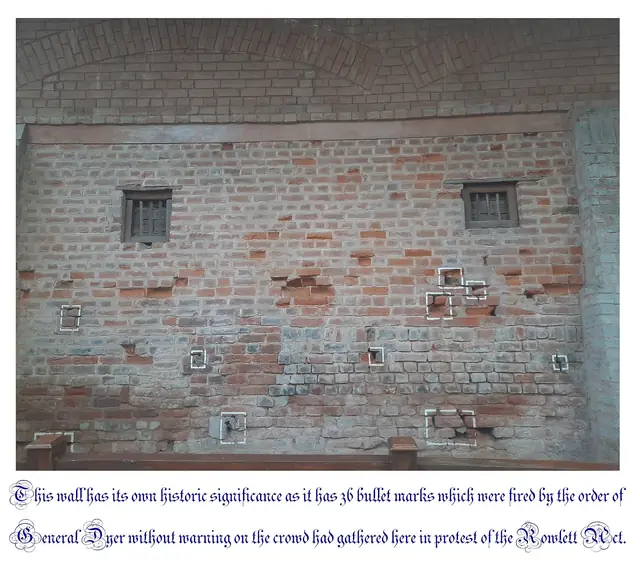
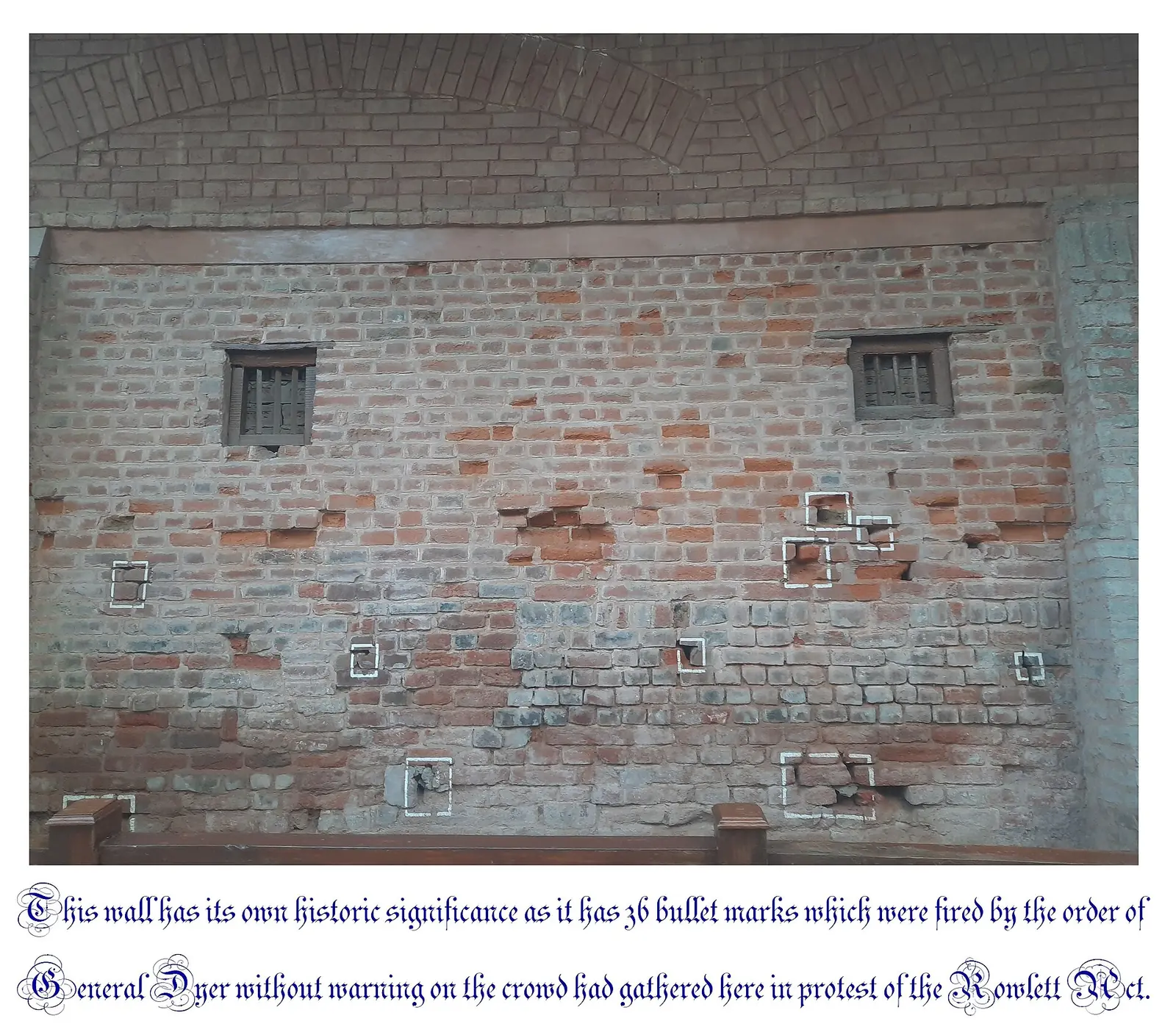
Dyer came with fifty riflemen, blocked the narrow entrance and, without any warning to disperse, ordered them to fire. He told the Hunter Committee that they fired 1,650 rounds over about ten minutes, aiming where the crowd was thickest, and that he would have used machine guns if he could have brought his armoured cars in. People were shot as they tried to climb the walls; many jumped into the well. A curfew that night stopped the wounded from being carried away.
03The count
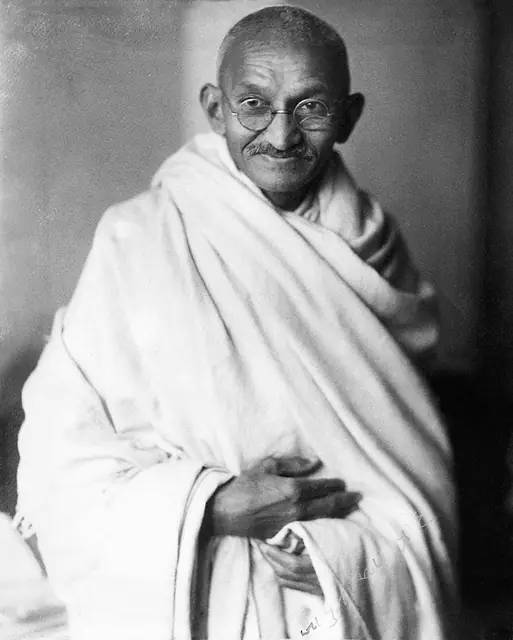
The Hunter Committee, appointed by the Government of India, accepted a figure of 379 dead and about three times as many wounded. The Indian National Congress’s own inquiry, whose members included Motilal Nehru and Gandhi, put the dead at about 1,000. The committee censured Dyer, and he was removed from command, but he was never prosecuted. The House of Commons condemned his action in July 1920; the House of Lords voted in his favour.
04What it changed
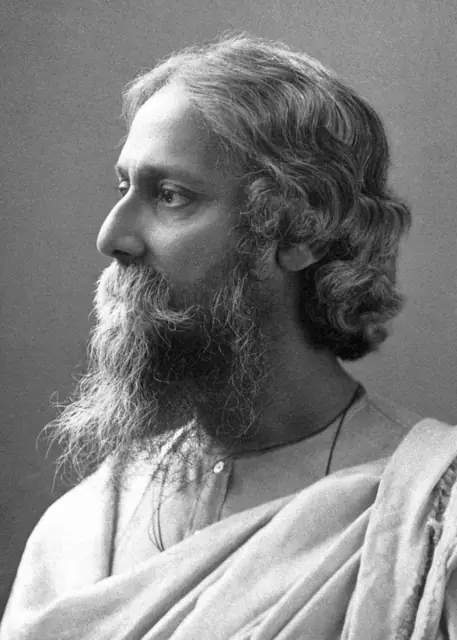
Rabindranath Tagore gave up his knighthood in protest that May. Gandhi, who had trusted British justice, launched Non-Cooperation in 1920. In London on 13 March 1940, Udham Singh shot dead Sir Michael O’Dwyer, who had governed the Punjab in 1919 and backed Dyer; he was hanged that July. The bullet marks can still be seen on the Bagh’s walls, and the well is kept as the Martyrs’ Well.