Cite
MLA
“Malabar (Moplah) violence of 1921.” Hindu History, 2026, https://www.hinduhistory.in/ghatana/malabar-violence-1921/. Accessed .
APA
Hindu History. (2026). Malabar (Moplah) violence of 1921. Retrieved , from https://www.hinduhistory.in/ghatana/malabar-violence-1921/
01The rising
The Khilafat movement of 1919–22 sought to save the Ottoman caliph, and Congress joined it with Non-Cooperation. In Malabar, where Mappila tenants had a long record of clashes with Hindu landlords and the police, a police search at Tirurangadi on 20 August 1921 led to firing and an armed rising. Under Ali Musliyar and then Variyankunnath Kunjahammad Haji, rebels cut the railway and telegraph, attacked police stations and declared a Khilafat rule over parts of Eranad and Valluvanad.
02What Hindus suffered
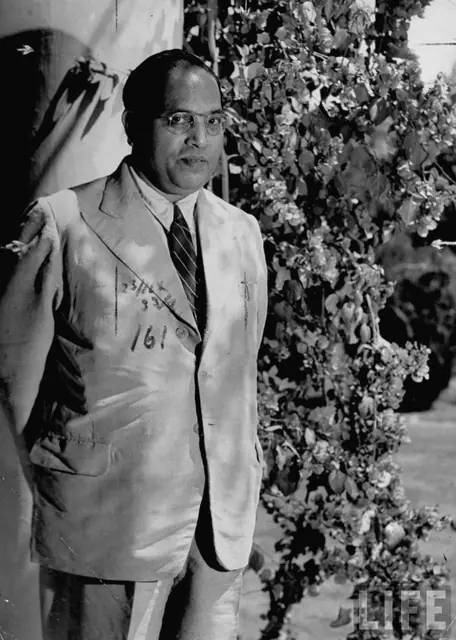
Within weeks the rebels turned on Hindu villages. There is no official count of Hindu dead. An Arya Samaj estimate, cited by the historian Sumit Sarkar, gives about 600 Hindus killed and 2,500 forcibly converted; Lord Curzon told Parliament of at least 1,000 killed and as many converted. Annie Besant wrote in 1922 that about a lakh of people had been driven from their homes. B. R. Ambedkar, in 1945, called the atrocities against Hindus indescribable. Temples were defiled, as a conference of Malabar Hindus at Calicut, chaired by the Zamorin, put on record.
03Suppression
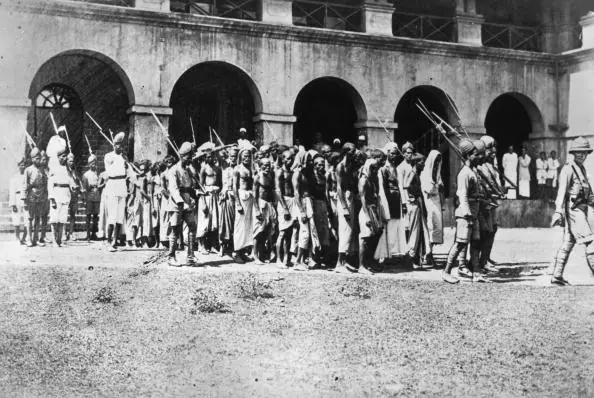
Martial law was declared and troops cleared the taluks by the end of 1921. Official figures give 2,337 rebels killed, 1,652 wounded and 45,404 imprisoned, and 43 soldiers killed. On 10 November 1921 more than sixty Mappila prisoners suffocated in a closed railway goods wagon on the way from Tirur to Coimbatore. Kunjahammad Haji was captured and shot in January 1922.
04Two memories
The rising has been remembered in two ways ever since. Kerala’s state records long listed the rebels as freedom fighters against the British. Hindu organisations, following Besant, Ambedkar and C. Gopalan Nair’s account of 1923, remember it for the killings and conversions of Hindus. In 2021 a review panel of the Indian Council of Historical Research recommended removing the Malabar rebels from its Dictionary of Martyrs.