Cite
MLA
“Katyuris of Kumaon and Garhwal.” Hindu History, 2026, https://www.hinduhistory.in/dynasties/katyuri/. Accessed .
APA
Hindu History. (2026). Katyuris of Kumaon and Garhwal. Retrieved , from https://www.hinduhistory.in/dynasties/katyuri/
01Kartikeyapura
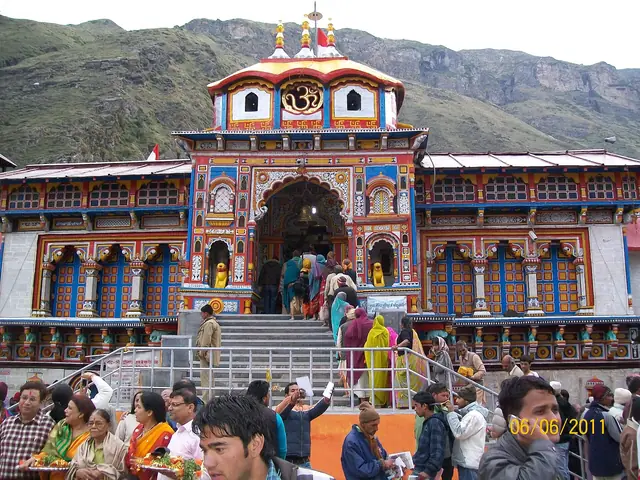
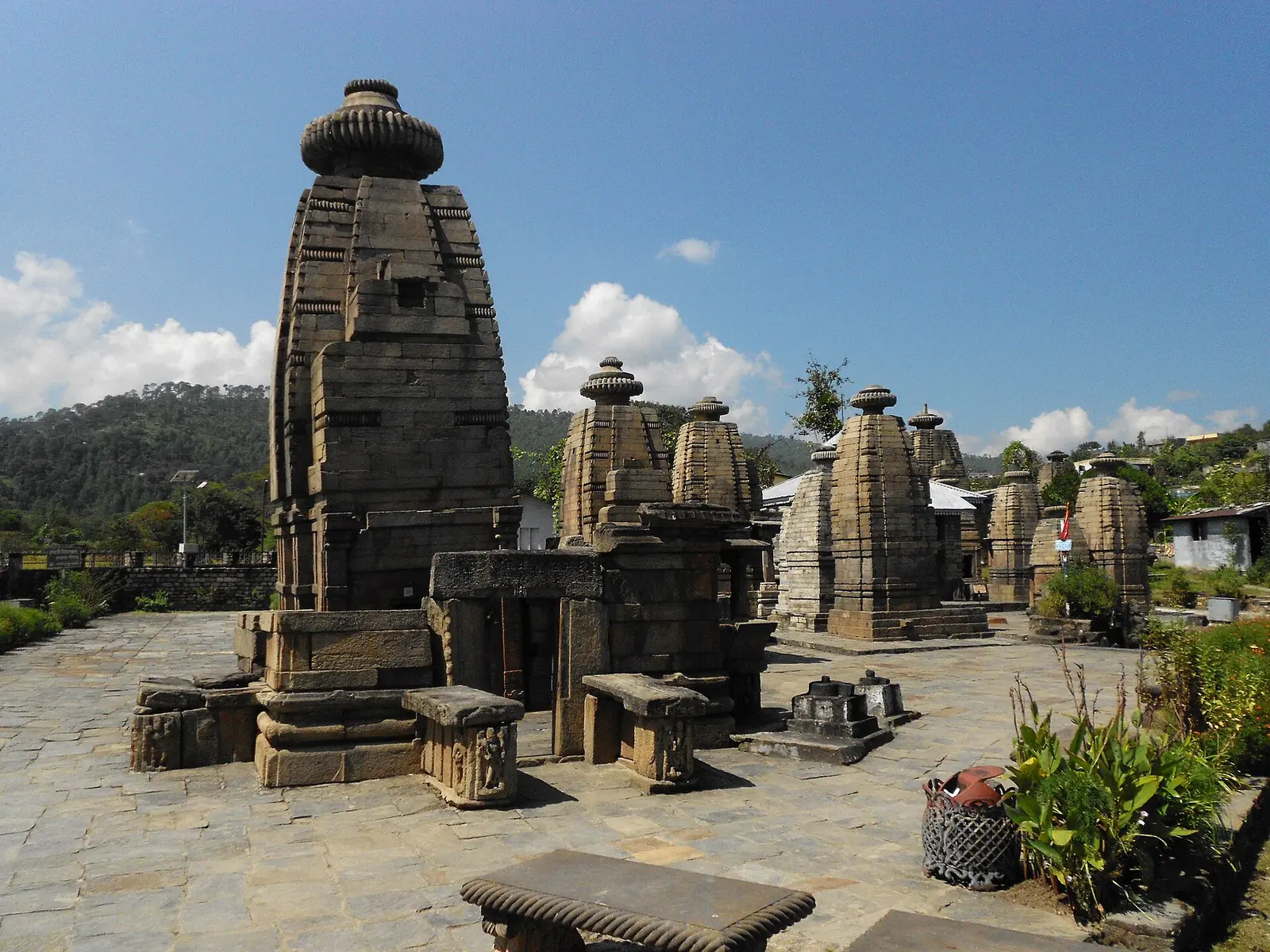
Every Katyuri grant is issued from Kartikeyapura, the city of Kartikeya. Local memory places the first seat at Jyotirmath in the Alaknanda valley and a later one in the Katyur valley of Kumaon, where Baijnath stands on the Gomti; both are named as Kartikeyapura, and scholars still argue the point. The Bageshwar stone inscription gives the early line from Basantana. The Pandukeshwar copper plates, kept near Badrinath, are grants of Lalitashuradeva, who uses the full imperial titles paramabhattaraka maharajadhiraja parameshvara, and of his successors. Further plates name Deshata, Padmata and Subhiksharaja. The years on these plates are counted in regnal years, so the dates of each king remain approximate.
02Temples of the hills
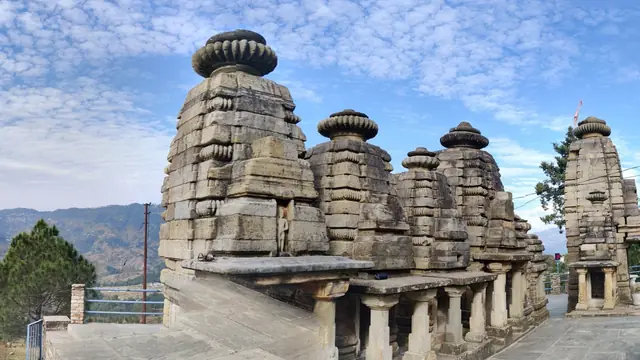
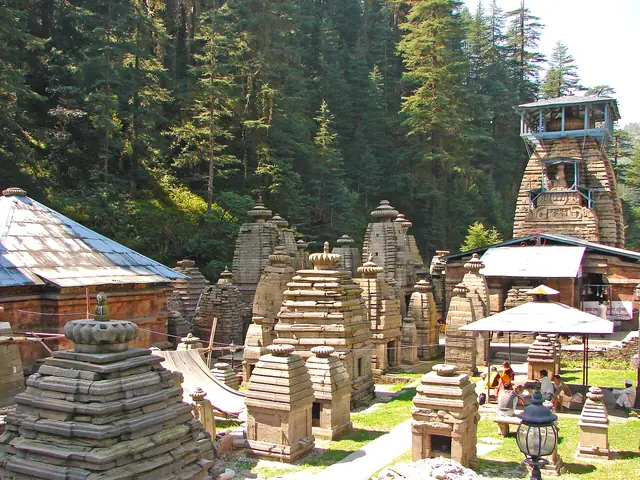
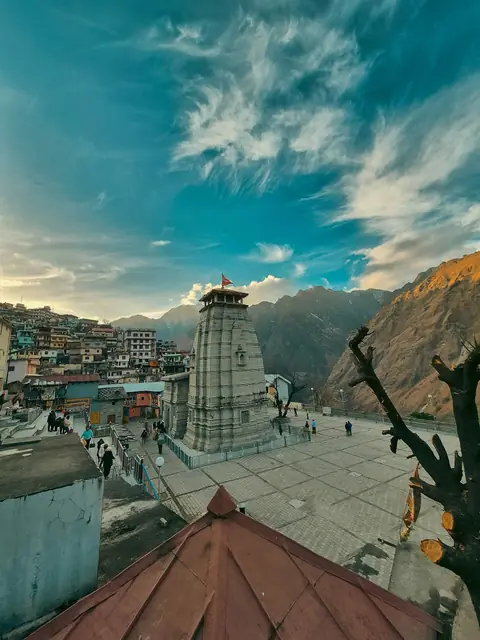
Kumaon gives the Katyuris credit for much of its early stone building. The oldest shrines at Jageshwar, the deodar-shaded valley of more than a hundred temples near Almora, belong to their centuries. The temple group at Baijnath sits where Katyuri tradition puts their capital. The Surya temple at Katarmal, facing east across the Kosi valley, is said to have been built by a Katyuri raja named Katarmalla. The Pandukeshwar plates themselves were found at the Yogadhyan Badri temple on the road to Badrinath, which shows how closely the kings were tied to that pilgrim route.
03The branches
By the twelfth century the kingdom had split among quarrelling kinsmen. Kumaoni ballads remember the last great king, Brahmadeva, and the cruelty of Virdeva before him. The branches lasted a long time. The Pal Rajwars of Askot, in Pithoragarh, held their small state until the British came in 1815. Another branch ruled Doti, across the Kali in what is now western Nepal, until the Gorkhas took it in 1790. Houses at Dwarahat, Baramandal and Baijnath were swallowed one by one by the Chands. The Kumaoni ballad of Rajula and Malushahi, sung to this day, is the love story of a Katyuri prince of Bairath.
The rulers
- 1BasantanaFirst of the line in the Bageshwar inscriptionc. 8th–9th century
- 2Kharparadevac. 9th century
- 3Tribhuvanarajac. 9th century
- 4LalitashuradevaPandukeshwar copper plates; imperial titlesc. 9th century
- 5BhudevaNamed in the Bageshwar inscriptionc. 9th–10th century
- 6Deshatadevac. 10th century
- 7Padmatadevac. 10th century
- 8Subhiksharajadevac. 10th century
- 9BrahmadevaRemembered as the last great Katyuric. 11th–12th century (by tradition)
What they left
- The Pandukeshwar copper plates and the Bageshwar inscription
- The early temples of Jageshwar
- The temple group at Baijnath in the Katyur valley
- Katarmal Sun temple, attributed to Katarmalla
- The ballad of Rajula and Malushahi