Cite
MLA
“Siege of Nargund (1778).” Hindu History, 2026, https://www.hinduhistory.in/battles/siege-of-nargund-1778/. Accessed .
APA
Hindu History. (2026). Siege of Nargund (1778). Retrieved , from https://www.hinduhistory.in/battles/siege-of-nargund-1778/
Nargund fell to Haidar, who left Venkatrao Bhave in place as a tributary.
01The fort and its chief
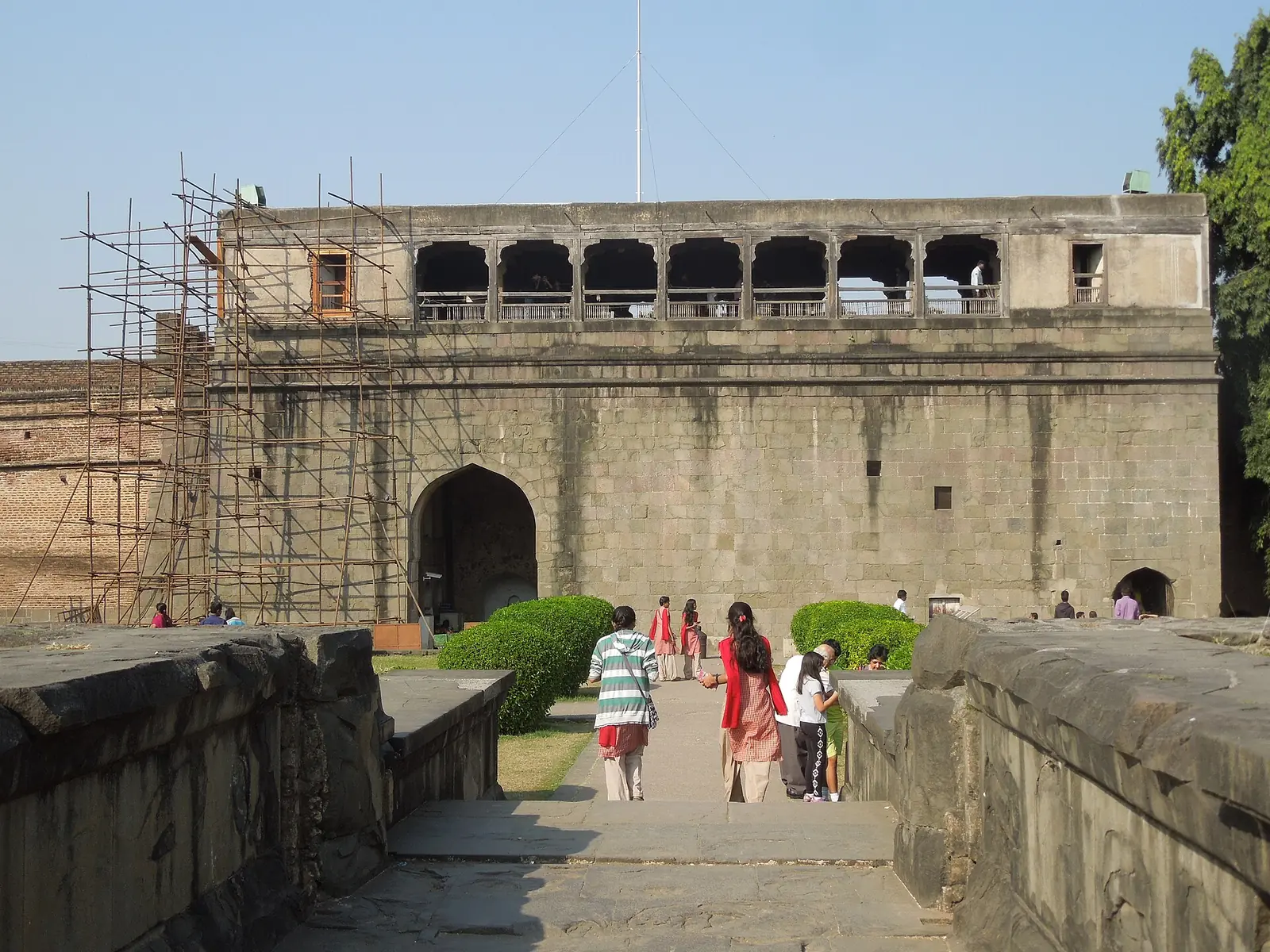
Nargund stands on a long rocky hill above the black-soil plain north of Gadag. The Bhaves held it as a small chiefship under the Peshwas. After the defeat at Saunshi the Maratha forces in the region could not protect it, and Haidar’s army closed on the fort in 1778. Venkatrao Bhave held out for a time, but with no relief coming from a divided Pune he gave in.
02A tributary under Mysore
Haidar did not remove the family. Venkatrao kept Nargund on condition of paying a yearly tribute to Mysore. His loyalty stayed with Pune, and when Tipu Sultan demanded more tribute after Haidar’s death, Venkatrao turned back to the Marathas. That brought Tipu’s second siege of Nargund in 1785, and with it the Maratha–Mysore war. The Bhave family held Nargund until 1858, when its last chief, Bhaskarrao Bhave, rose against the British and was hanged.
Nargund’s capture carried Mysore’s border up towards the Krishna and set up the quarrel that started the war of 1785.