Cite
MLA
“Siege of Bahadur Benda.” Hindu History, 2026, https://www.hinduhistory.in/battles/siege-of-bahadur-benda-1787/. Accessed .
APA
Hindu History. (2026). Siege of Bahadur Benda. Retrieved , from https://www.hinduhistory.in/battles/siege-of-bahadur-benda-1787/
Tipu took the fort, and the war ended soon after with the Treaty of Gajendragad in April 1787.
01The last fort of the war
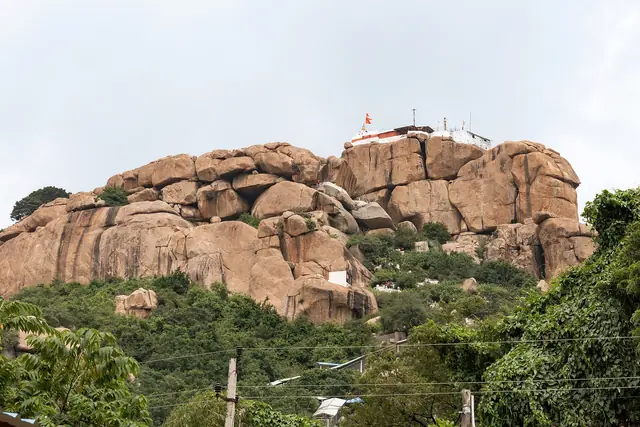
After Savanur the war drifted north-east into the rocky country around Koppal. Haripant Phadke still held a line of posts there, and the hill fort the sources call Bahadur Benda was one of the strongest. Tipu brought up his guns and invested it in the opening weeks of 1787. The Maratha army in the plain could not force him off, and the garrison yielded.
02Peace at Gajendragad
Tipu had won most of the fights, yet he chose to end the war. He feared a Company alliance with Pune and Hyderabad, which came true three years later. By the Treaty of Gajendragad in April 1787 he gave up Badami, Nargund and Kittur, released captives, and paid a large sum as arrears of tribute. The Peshwa recognised his conquests elsewhere. The peace held only until 1790.
It closed the Maratha–Mysore war of 1785–87; the next round, in 1790–92, saw the Marathas fighting beside the Company against Tipu.