Cite
MLA
“Pulakeshin II wins the throne from Mangalesha.” Hindu History, 2026, https://www.hinduhistory.in/battles/pulakeshin-ii-war-of-succession/. Accessed .
APA
Hindu History. (2026). Pulakeshin II wins the throne from Mangalesha. Retrieved , from https://www.hinduhistory.in/battles/pulakeshin-ii-war-of-succession/
Mangalesha lost his life and Pulakeshin II became king; he then defeated Appayika and Govinda on the Bhimarathi.
01The quarrel
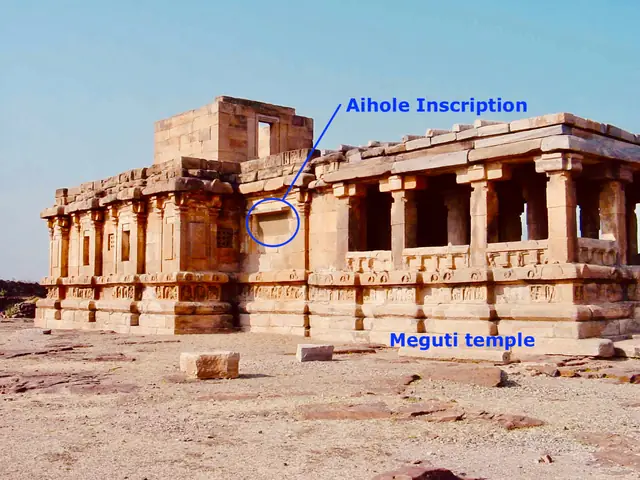
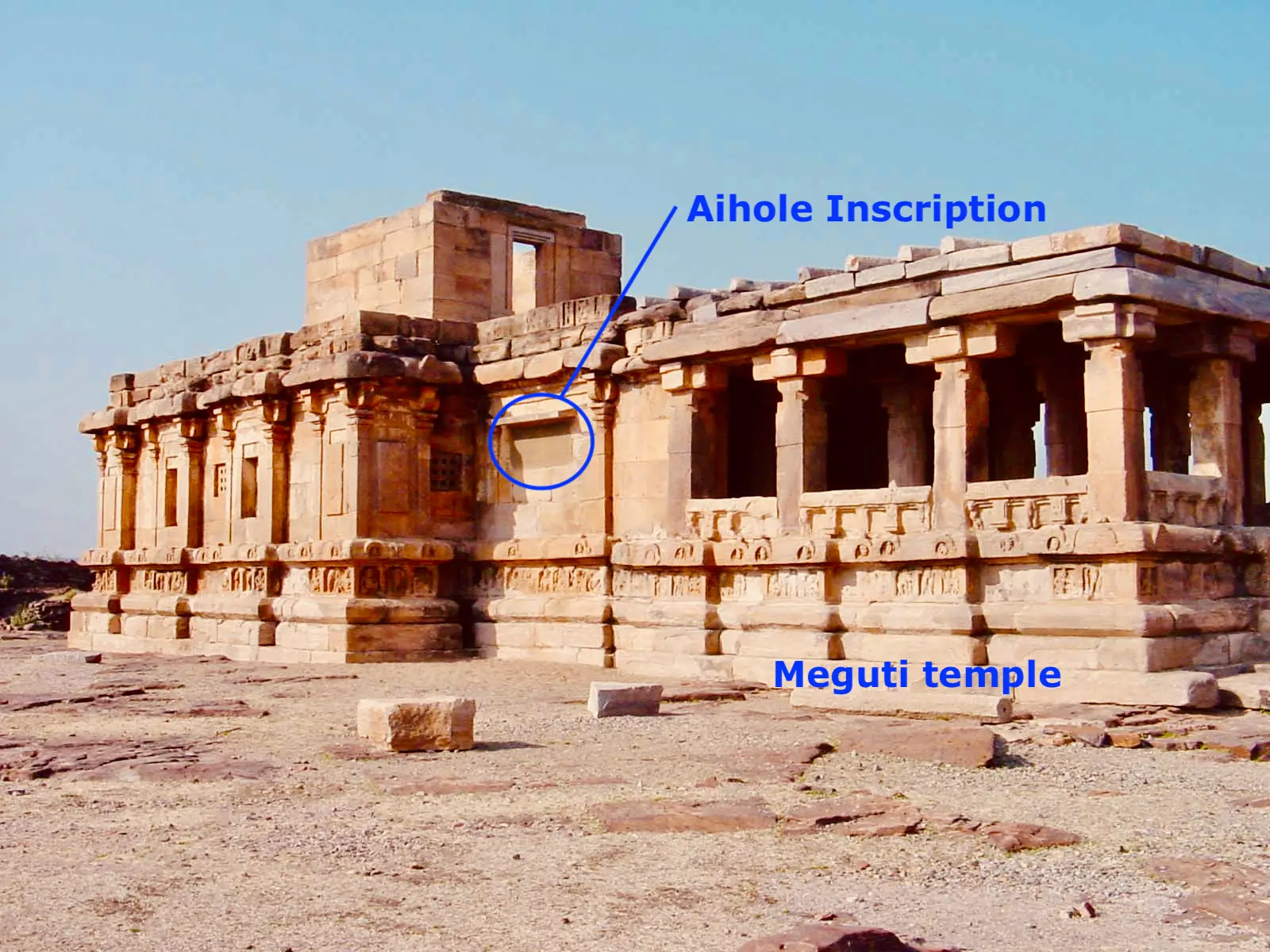
Ravikirti’s Aihole inscription tells the story from Pulakeshin’s side. Mangalesha had ruled as guardian for his brother Kirtivarman’s young son. When the boy grew up, Mangalesha grew jealous of him. Pulakeshin went into exile, built up his power through counsel and energy, and Mangalesha, encircled, gave up both his effort to secure the kingdom for his son and his life. The inscription says the kingdom was then surrounded by the darkness of enemies.
02The Bhimarathi
Two chiefs, Appayika and Govinda, took the moment to attack from the north with elephant forces. Pulakeshin met them on the Bhimarathi, the river Bhima. Appayika fled; Govinda chose to submit and was rewarded. With his kingdom secure, Pulakeshin went on to the conquests that made him the master of the Deccan: Banavasi, the Konkan, Lata, Malwa, and the stand against Harsha. Ravikirti, the poet of the Aihole inscription, compares himself in its last verse to Kalidasa and Bharavi, and the record is still the best account of these years.
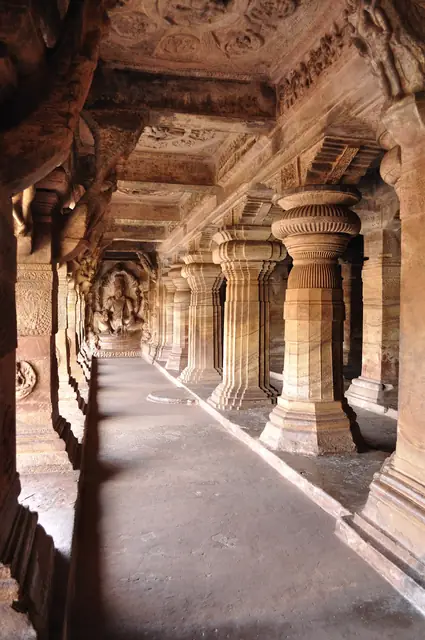
It put on the throne the greatest of the Badami Chalukyas, the king who held the Narmada against Harsha.