Cite
MLA
“Malik Kafur’s attack on Dwarasamudra.” Hindu History, 2026, https://www.hinduhistory.in/battles/dwarasamudra-1311/. Accessed .
APA
Hindu History. (2026). Malik Kafur’s attack on Dwarasamudra. Retrieved , from https://www.hinduhistory.in/battles/dwarasamudra-1311/
Ballala III submitted, gave up his treasure and became tributary; Kafur went on to raid the Pandya country.
01A capital caught empty
The Pandya kingdom was then split between two brothers, Sundara and Vira Pandya, and Ballala III had marched south to profit from the quarrel. Malik Kafur, fresh from taking tribute at Warangal, moved fast. Amir Khusrau, who wrote up the campaign in the Khazain-ul-Futuh, has the army crossing the hills and appearing before Dwarasamudra while its king was away. Ballala came back by forced marches but judged the city could not stand a siege.
02Treasure for the city
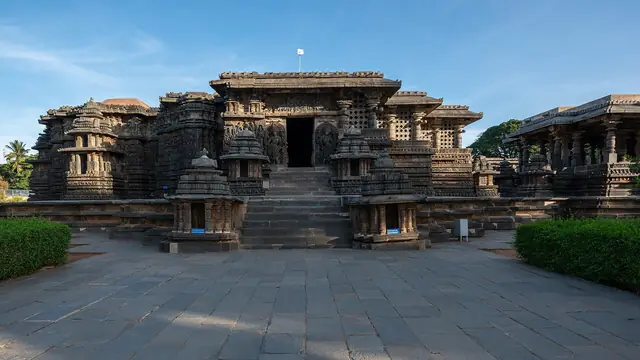
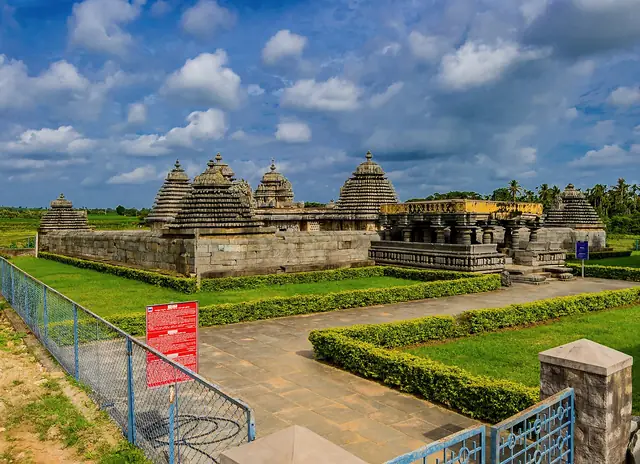
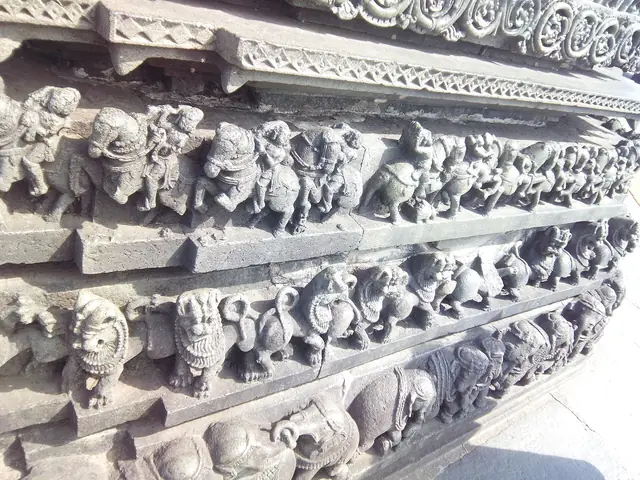
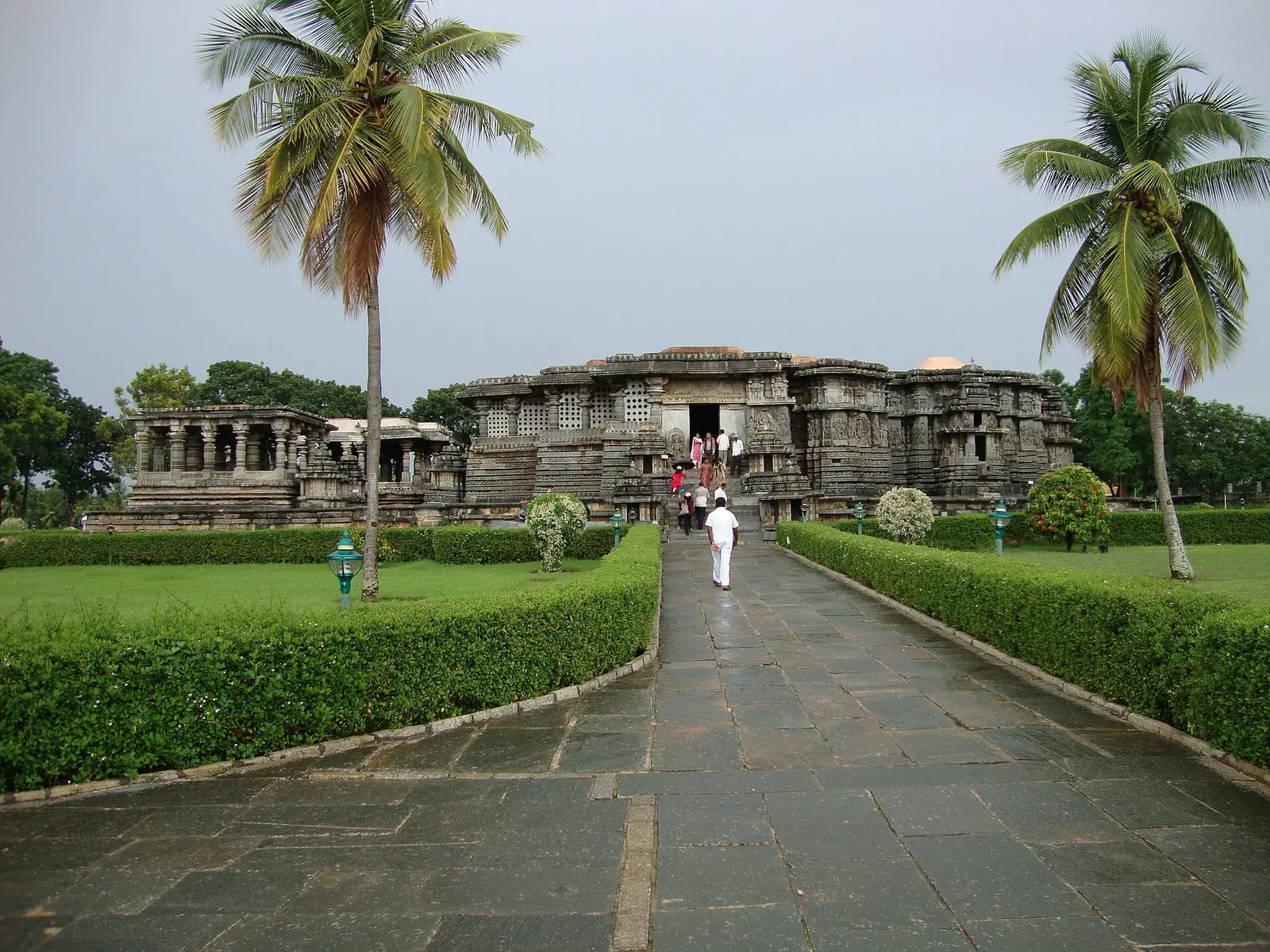
Ballala III gave up gold, jewels, elephants and horses and accepted Delhi’s overlordship. Accounts of the campaign say he also guided Kafur’s march into the Pandya lands, where the army plundered towns and temples as far as the coast. The temples of Halebidu, the Hoysaleswara and the Kedareswara, carry the marks of this age. Ballala’s son Virupaksha went to Delhi and came back in 1313.
03The last Hoysala
Ballala III did not stay humbled. In the 1320s and 1330s he became the main Hindu power of the south, built forts along his northern border and fought the Madurai Sultanate. He was killed by the Sultan of Madurai in 1343. Men who had served the Hoysala frontier, Harihara and Bukka among them, were by then raising the new kingdom of Vijayanagara on the Tungabhadra.
The raid brought Delhi’s armies to the far south for the first time and set off the chain of events that led to Vijayanagara.