Cite
MLA
“Battle of Vellur.” Hindu History, 2026, https://www.hinduhistory.in/battles/battle-of-vellur-915/. Accessed .
APA
Hindu History. (2026). Battle of Vellur. Retrieved , from https://www.hinduhistory.in/battles/battle-of-vellur-915/
Parantaka defeated the Pandya–Sinhala army; Rajasimha II fled to Lanka and the Pandya country passed under the Cholas.
01The battle
The Pandya Rajasimha II, attacked by the Cholas, appealed to Kassapa V of Anuradhapura, who sent an army. The Culavamsa says the Sinhala force crossed to help the Pandu king but was beaten, and that its commander died of sickness, after which the survivors were recalled. Chola inscriptions record the victory at Vellur over the Pandya and the army of Lanka, and give Parantaka the titles Maduraikonda and Madurai-yum-Ilamum-konda, taker of Madurai and Lanka.
02The Pandya regalia
Rajasimha II fled to Lanka, taking with him the Pandya crown and royal insignia, and left them there when he went on to Kerala. Parantaka later invaded Lanka trying to recover them and failed. The regalia stayed in the island for a century, until Rajendra Chola took them back in his own conquest of Lanka around 1017, as the Culavamsa and Chola records both note.
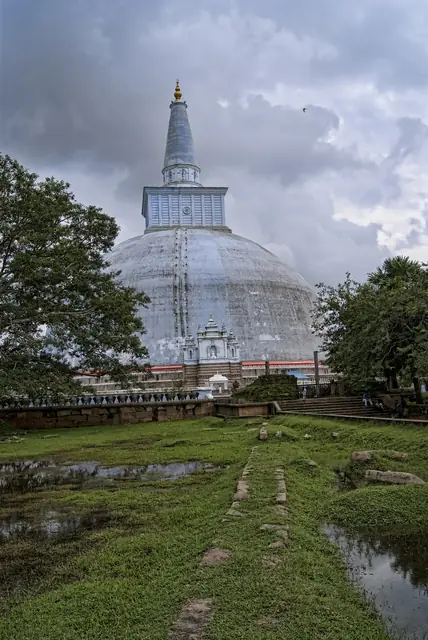
It brought the Pandya kingdom under the Cholas for most of the next three centuries.