Cite
MLA
“Battle of Nelveli.” Hindu History, 2026, https://www.hinduhistory.in/battles/battle-of-nelveli/. Accessed .
APA
Hindu History. (2026). Battle of Nelveli. Retrieved , from https://www.hinduhistory.in/battles/battle-of-nelveli/
The Pandya king won the field at Nelveli.
01Two kinds of record
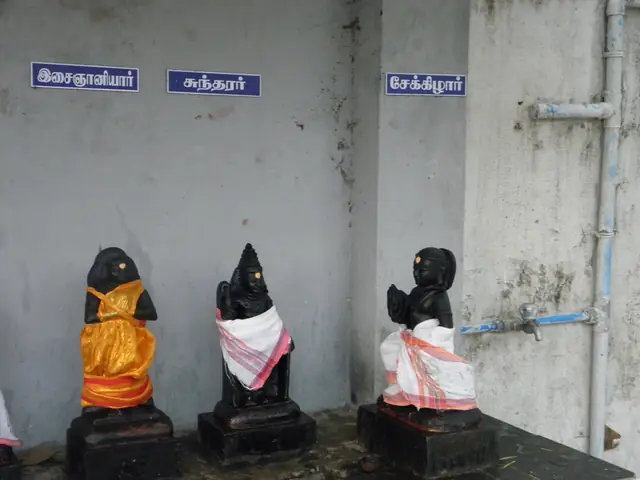
The Velvikudi plates list Arikesari Maravarman’s victories, and among them a battle at Nelveli. The Periya Puranam of Sekkizhar, telling the life of the king it calls Ninrasir Nedumaran, says he won at Nelveli against an army from the north. This is the same king whom Tirujnana Sambandar, the child saint of the Tevaram, turned back to Shaiva faith at Madurai; his queen Mangaiyarkkarasi is one of the sixty-three Nayanars, and the king himself is counted among them.
02Who was the enemy
The plates do not name the losing king. Some historians see a Pallava army, others the Chalukya Vikramaditya I, whose own grants show him campaigning on the Kaveri in the same years. The place too is debated, though most accept Tirunelveli. What is clear is that the Pandya kingdom held its ground against the northern powers in this generation, and kept growing. Arikesari’s grandson and great-grandson carried Pandya arms into Kongu and the Kaveri delta, and by the eighth century Madurai was a match for Kanchi.
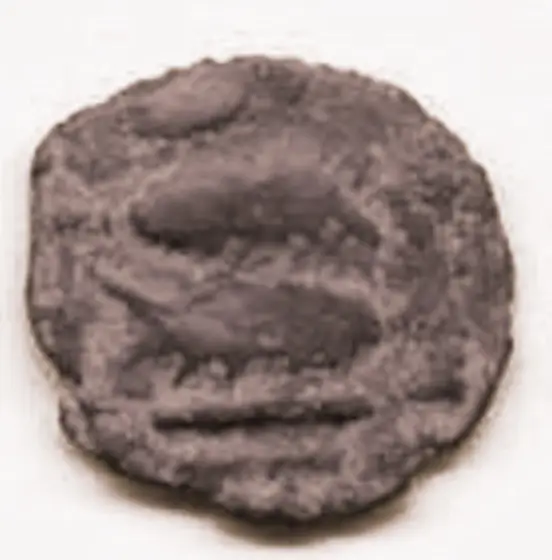
It is one of the few battles remembered in both a royal grant and the Shaiva sacred literature of the Tamil land.