Cite
MLA
“Battle of Akora Khattak.” Hindu History, 2026, https://www.hinduhistory.in/battles/battle-of-akora-khattak-1826/. Accessed .
APA
Hindu History. (2026). Battle of Akora Khattak. Retrieved , from https://www.hinduhistory.in/battles/battle-of-akora-khattak-1826/
A night attack caused heavy Sikh losses, but the attackers turned to plunder and were driven off when Budh Singh rallied his men; the sources disagree on who had the better of it.
01A movement comes to the frontier
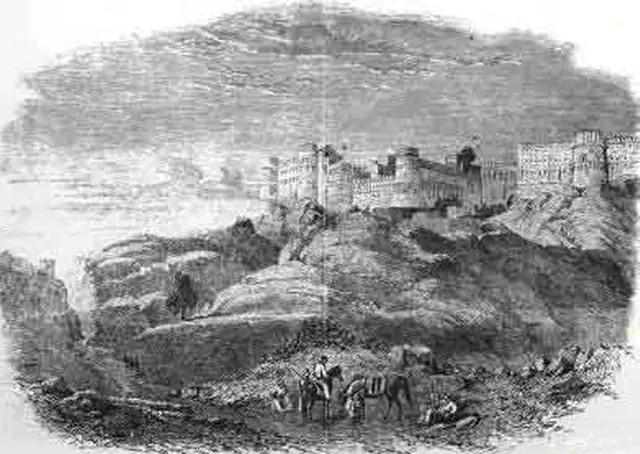
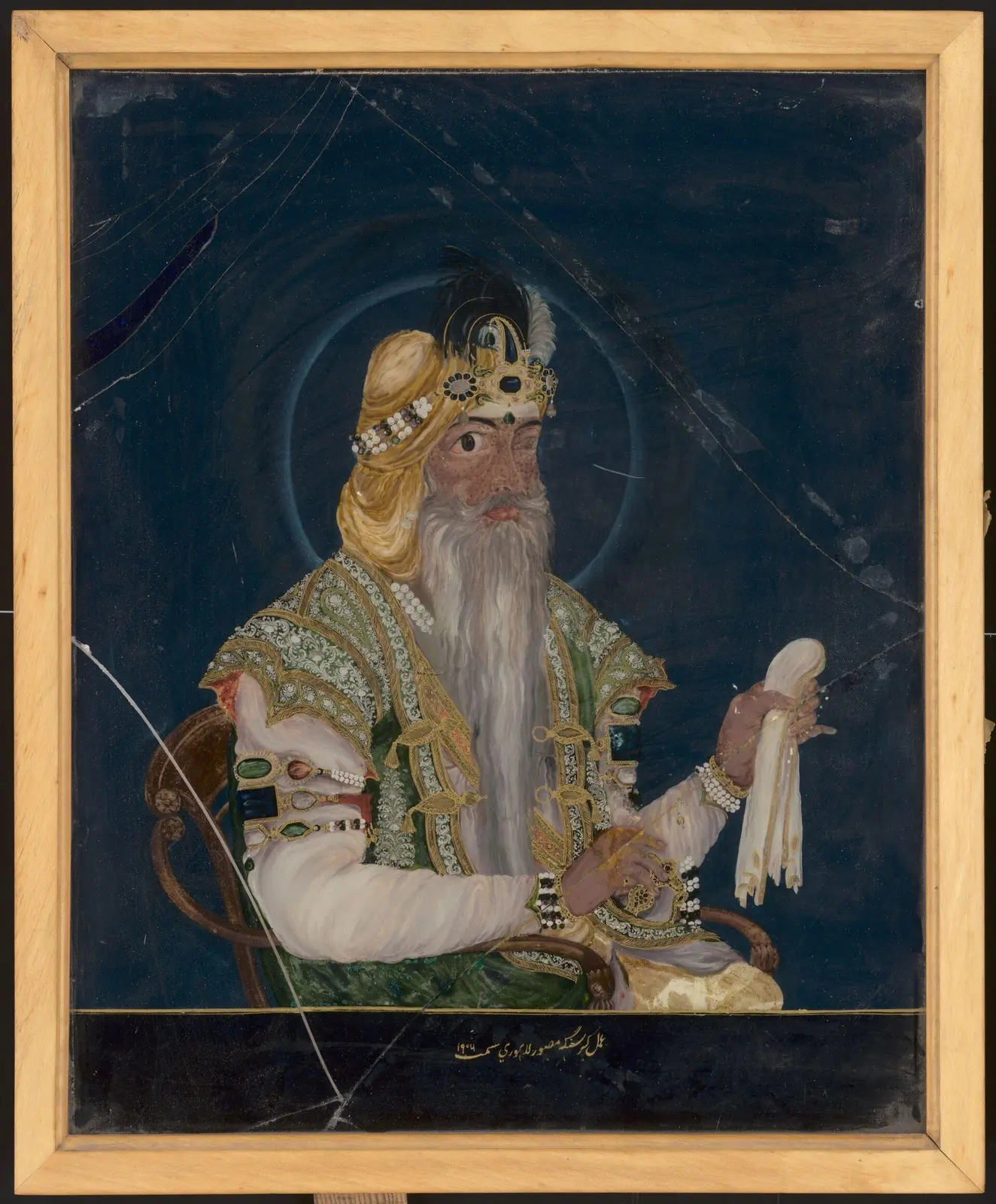
Syed Ahmad of Rae Bareli came to the Peshawar valley in 1826 with followers from Hindustan and called the Pashtun tribes to war against the Sikh kingdom of Ranjit Singh. Akora Khattak, on the Kabul river about eighteen miles from Attock, was the country of the Khattaks. Sardar Budh Singh Sandhanwalia was camped there with a Sikh force sent to hold the road between Attock and Peshawar.
02The raid at dawn
Before dawn on 21 December 1826 the mujahideen, led in the field by Allah Bakhsh Khan, broke into the sleeping camp. The first rush did great damage. Then many of the attackers turned to looting the tents, and Budh Singh was able to rally his men and counter-attack. The raiders fell back to the hills, leaving their leader Allah Bakhsh Khan among the dead. Accounts on each side give very different losses, and historians read the day as a raid that hurt the Sikhs without breaking their hold on the road.
Akora Khattak opened five years of war on the north-west frontier that ended at Shaidu and finally at Balakot in 1831.