Cite
MLA
“Ratha Saptami.” Hindu History, 2026, https://www.hinduhistory.in/utsav/ratha-saptami/. Accessed .
APA
Hindu History. (2026). Ratha Saptami. Retrieved , from https://www.hinduhistory.in/utsav/ratha-saptami/
How it is kept
- 01
Sunrise bath with seven arka leaves on the head
- 02
Arghya to the rising sun and the Aditya Hridayam recited
- 03
Rangoli of Surya’s chariot drawn in the courtyard
- 04
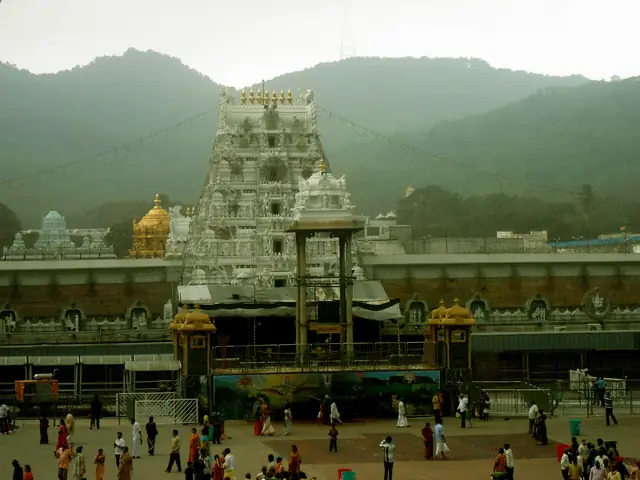
Seven vahana processions at Tirumala
- 05
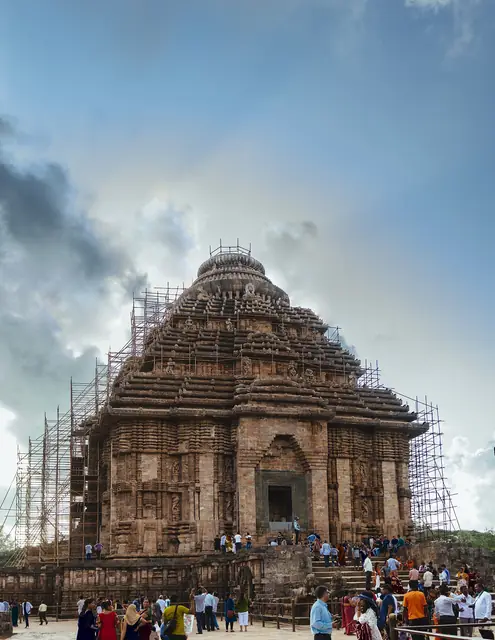
Chandrabhaga mela bath at Konark
01The sun’s birthday
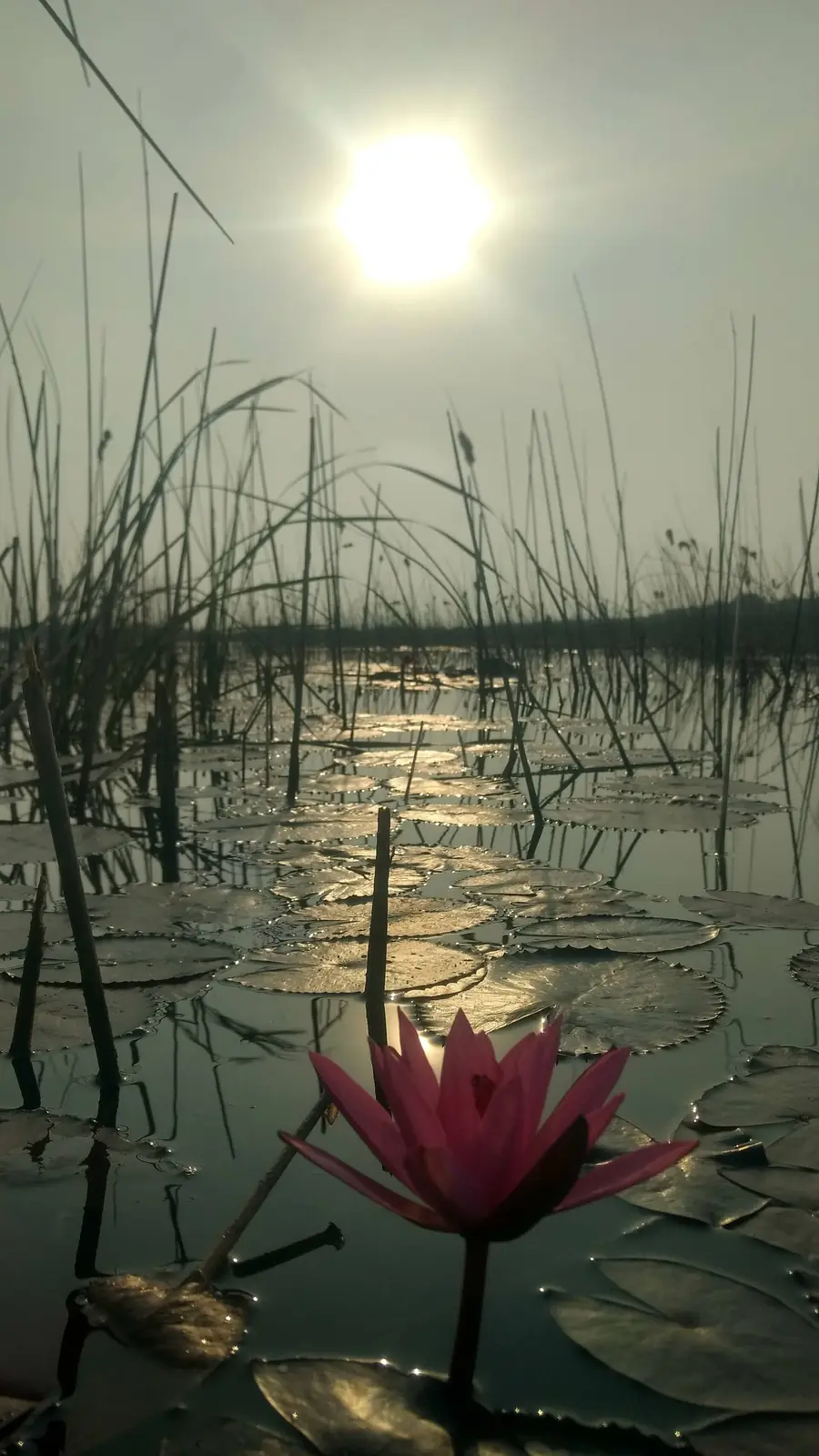
The Bhavishya Purana devotes long chapters to Surya worship and names the seventh of the bright half of Magha as the day of his birth to Aditi and Kashyapa, and the day his chariot, drawn by seven horses named after the Vedic metres and driven by Aruna, turned north. Bathing at sunrise on this saptami with seven leaves of arka, the calotropis sacred to Surya, placed on the head and shoulders is said to remove the sins of seven births. Arghya is offered to the rising sun, and a rangoli of the sun’s chariot is drawn in the courtyard. The next day is Bhishma Ashtami.
02Seven vahanas at Tirumala
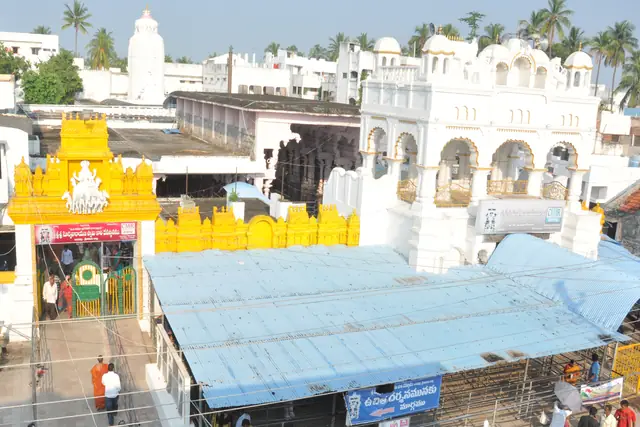
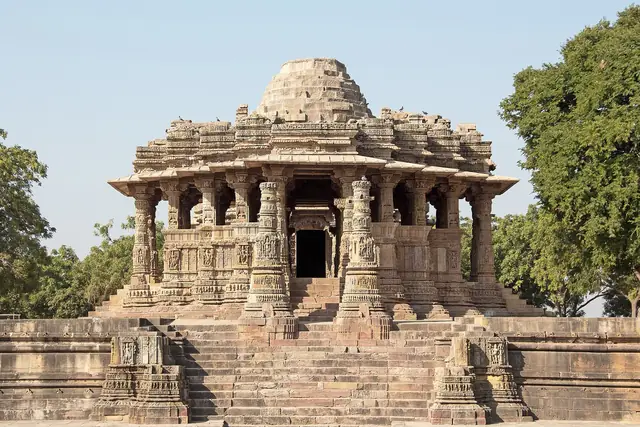
At Tirumala Ratha Saptami is called the one-day Brahmotsavam. From dawn to night Malayappa Swami, the festival form of Venkateswara, is taken round the four Mada streets on seven vahanas in turn, beginning with the Surya Prabha at sunrise and ending with the Chandra Prabha at night, with the chakra snanam in the temple tank at noon. At Konark the Chandrabhaga mela on the beach draws pilgrims for a dawn bath, and at the Surya temple of Arasavalli in Andhra the first rays fall on the deity.
Andhra Pradesh, Telangana, Karnataka, Tamil Nadu, Maharashtra, Odisha (Magha Saptami), and Surya temples across Bharat