Cite
MLA
“Pitru Paksha (Shraddha Paksha).” Hindu History, 2026, https://www.hinduhistory.in/utsav/pitru-paksha/. Accessed .
APA
Hindu History. (2026). Pitru Paksha (Shraddha Paksha). Retrieved , from https://www.hinduhistory.in/utsav/pitru-paksha/
How it is kept
- 01
Shraddha on the ancestor’s death tithi, with pinda of rice, sesame and barley
- 02
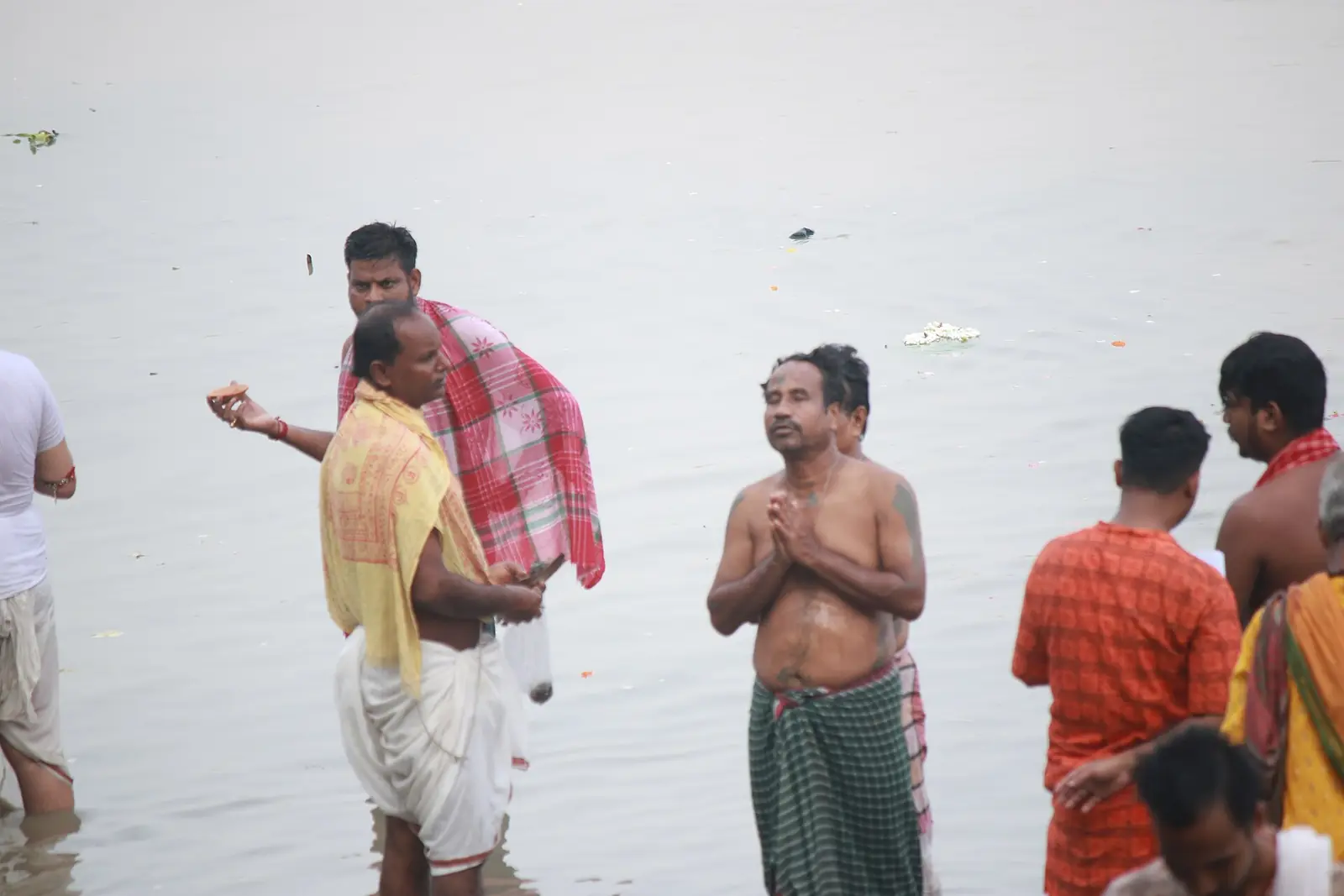
Tarpan of water with black sesame, facing south
- 03
Food set out for crows, cows, dogs and brahmanas
- 04
No new purchases, weddings or housewarmings during the fortnight
- 05
Pind daan at Gaya, Varanasi or Prayagraj
01The debt to the fathers
The Shastras speak of three debts each person is born with: to the devas, to the rishis and to the pitrs. The last is repaid with children and with shraddha. The Garuda Purana and the dharmashastra digests lay down that the dark fortnight before Navaratri is the pitrs’ own; whoever does not know an ancestor’s tithi offers on the last day, Sarvapitri Amavasya. A popular katha tells of Karna, who in svarga was served only gold, because he had given gold all his life and never food; he was allowed to return to earth for these fifteen days to feed his ancestors.
02Pinda at Gaya
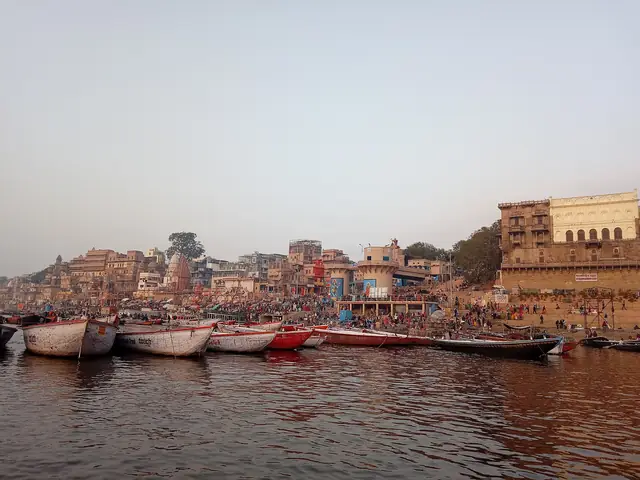
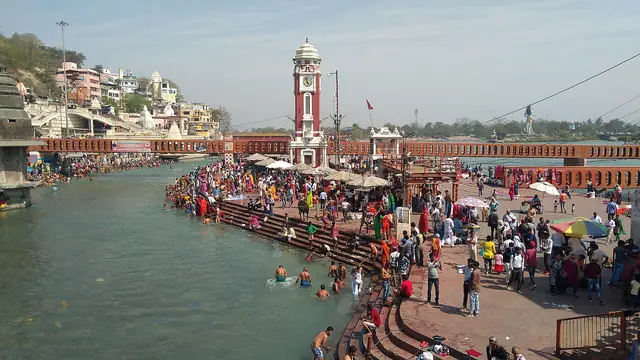
The Gaya Mahatmya of the Vayu Purana holds that pinda offered at Gaya frees the ancestors of many generations. During Pitru Paksha the Pitrupaksha Mela fills the town; families go from the Phalgu riverbed to the Vishnupad temple, where the footprint of Vishnu is set in rock, and to the Akshayavat. Gayawal pandas keep registers in which a visitor may find his great-grandfather’s visit recorded. Varanasi, Prayagraj, Haridwar and Pehowa also fill with families performing shraddha in these weeks.
All of Bharat and Nepal; Gaya is the great tirtha for it