Cite
MLA
“Ganga Dussehra.” Hindu History, 2026, https://www.hinduhistory.in/utsav/ganga-dussehra/. Accessed .
APA
Hindu History. (2026). Ganga Dussehra. Retrieved , from https://www.hinduhistory.in/utsav/ganga-dussehra/
How it is kept
- 01
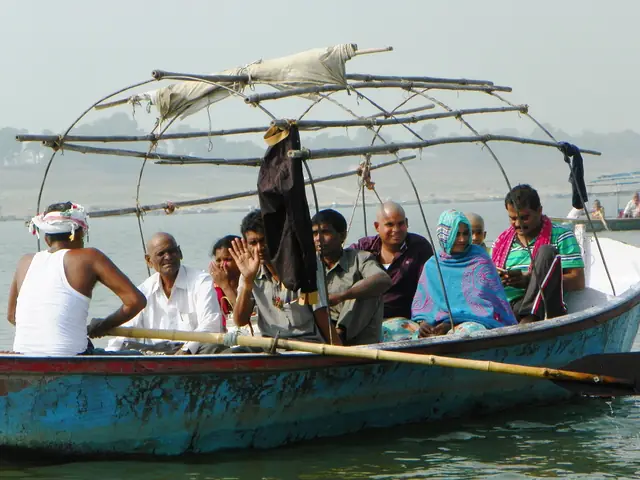
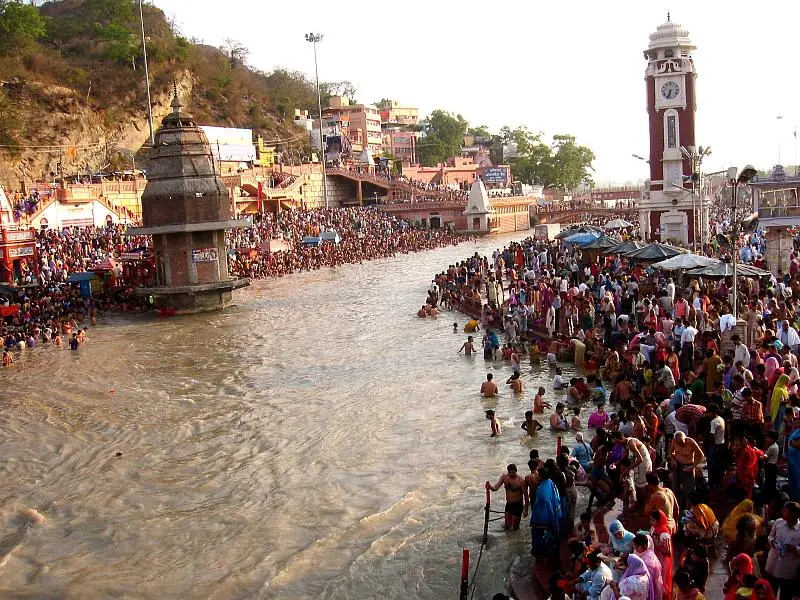
A bath in the Ganga or in water mixed with Gangajal
- 02
Offerings of ten lamps, ten flowers and ten fruits
- 03
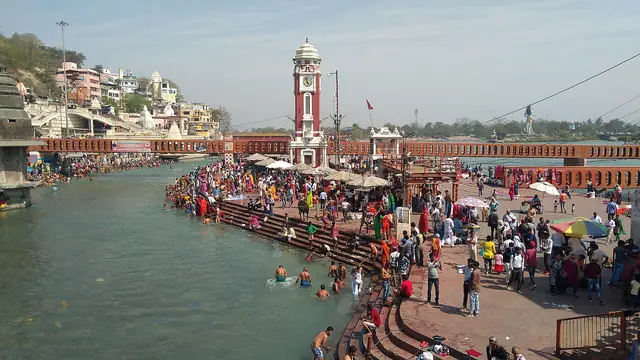
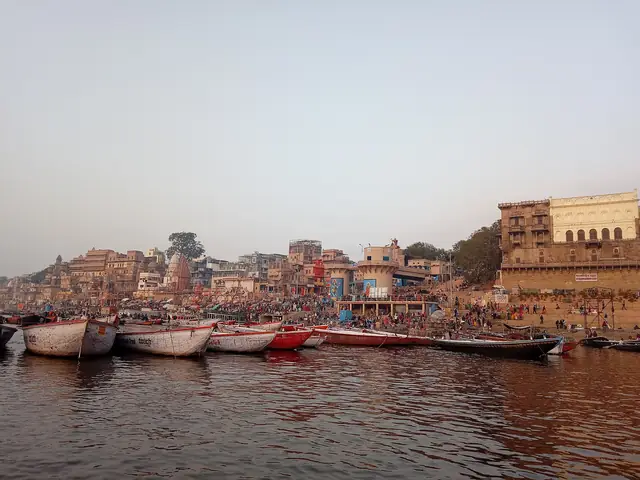
Evening Ganga aarti at Har ki Pauri and Dashashwamedh Ghat
- 04
Leaf-boat lamps floated on the river
01Bhagiratha’s tapas
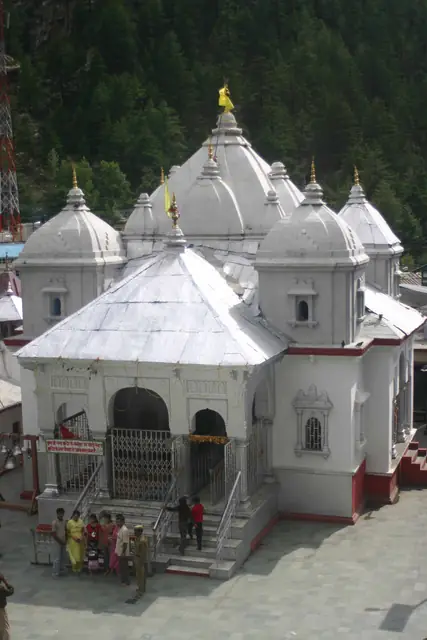
The Valmiki Ramayana (Bala Kanda, sargas 38–44) tells the descent as Vishvamitra told it to the young Rama. The sixty thousand sons of King Sagara were burnt to ash by the gaze of Kapila Muni, and only the waters of Ganga could free them. Sagara’s line laboured for generations; at last Bhagiratha’s tapas brought her down. Shiva caught her in his matted hair so that her fall would not split the earth, and released her in a stream that followed Bhagiratha’s chariot to the sea, where she washed over the ashes. So she is Bhagirathi at Gangotri.
02Ten sins, ten things
The Skanda Purana and the dharmashastra digests set the day on Jyeshtha Shukla Dashami, with Hasta nakshatra if it falls together, and say that bathing then removes ten sins, three of the body, four of speech and three of the mind. Devotees offer ten of each thing: ten lamps, ten flowers, ten kinds of fruit. At Har ki Pauri in Haridwar and on Dashashwamedh Ghat in Kashi the evening Ganga aarti is at its grandest, and the river is covered with leaf boats carrying flames.
The Ganga plain from Gangotri to Gangasagar: Haridwar, Rishikesh, Prayagraj, Varanasi, Patna