Cite
MLA
“Acharya Hemachandra (Kalikalasarvajna).” Hindu History, 2026, https://www.hinduhistory.in/people/hemachandra/. Accessed .
APA
Hindu History. (2026). Acharya Hemachandra (Kalikalasarvajna). Retrieved , from https://www.hinduhistory.in/people/hemachandra/
Life in moments
- 011088
Born at Dhandhuka, Gujarat, on Kartik Purnima, around 1088 CE; birth name Changadeva.
- 02
Initiated by Devachandra Suri as Somachandra; made acharya at Nagaur as Hemachandra Suri.
- 031135
Wrote the Siddha-Hema-Shabdanushasana for Jayasimha Siddharaja after the conquest of Malwa, c. 1135–37.
- 041143
Teacher of Kumarapala, who came to the throne in 1143 and banned animal slaughter in Gujarat.
- 051173
Died at Anahilwad Patan in 1173 by the rite of sallekhana.
01Changadeva of Dhandhuka
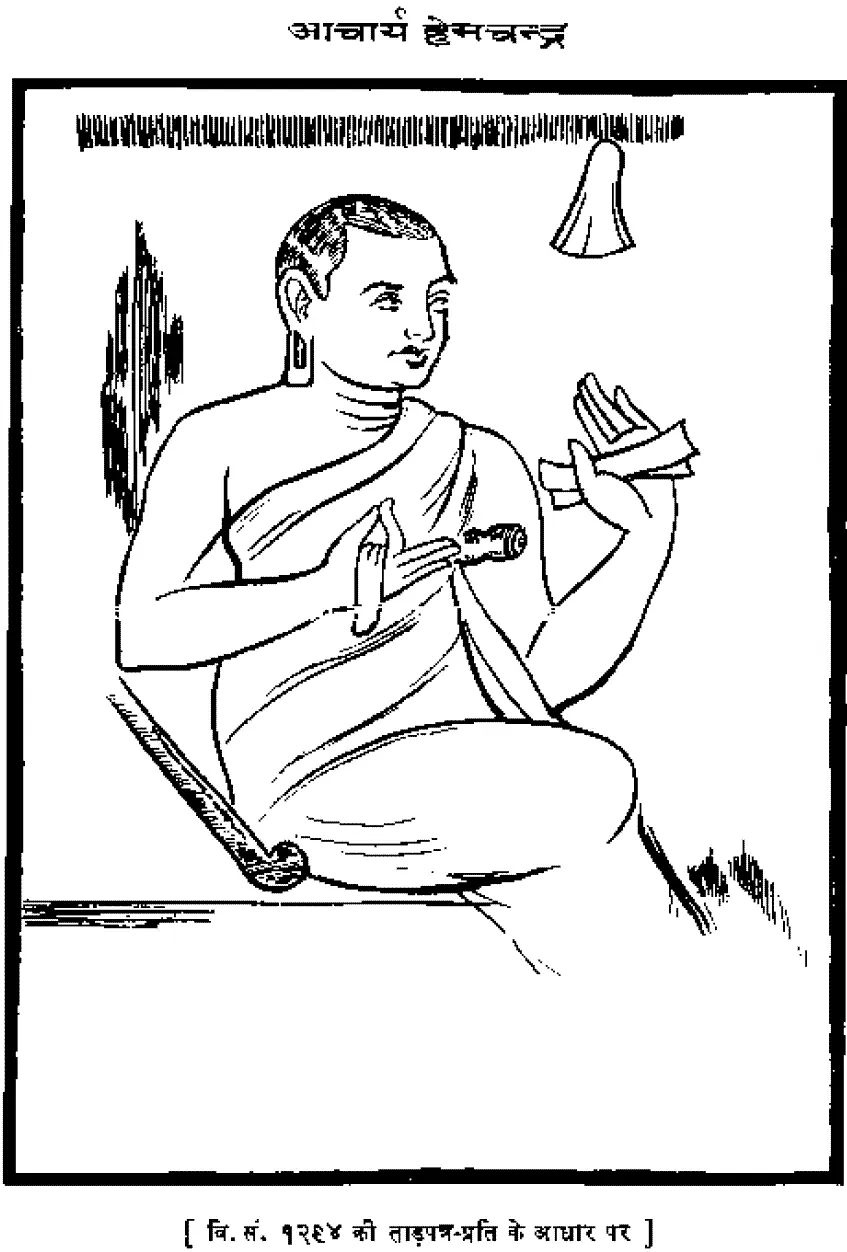
He was born at Dhandhuka in Gujarat on Kartik Purnima, around 1088 CE, to Chachiga, a Modh merchant, and his wife Pahini, who was a Jain. His name was Changadeva. The Jain monk Devachandra Suri saw the boy, asked his mother for him, and initiated him young at Khambhat with the name Somachandra. He studied logic, grammar, poetics and the Agamas, and at about twenty-one he was made an acharya at Nagaur and given the name Hemachandra Suri. The prabandhas, the Jain chronicles of the following centuries, are the source for most of his life, and they disagree on a few years here and there.
02A grammar on an elephant
Jayasimha Siddharaja took Malwa from the Paramaras around 1135–37 and carried home the library of Dhara, among it the grammar of Raja Bhoja. The prabandhas say the king was stung that Gujarat had no grammar of its own and asked Hemachandra for one. The Siddha-Hema-Shabdanushasana, named for both king and author, covers Sanskrit and, in its eighth chapter, the Prakrits and Apabhramsha, with verses of the spoken poetry of the time as examples. When it was finished it was carried through Patan on the royal elephant. He wrote the Dvyashraya Kavya to teach the same grammar while telling the history of the Chaulukya kings, and the lexicons Abhidhana Chintamani and Deshinamamala.
03Teacher of Kumarapala
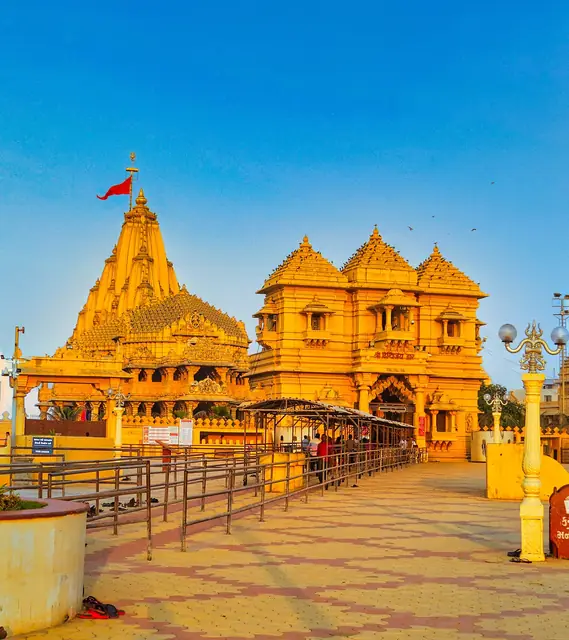
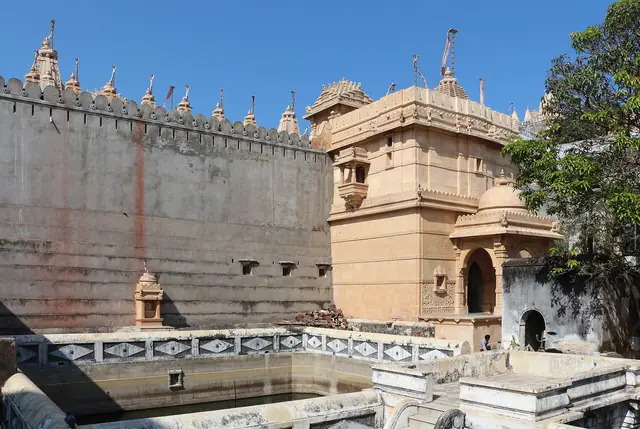
Kumarapala came to the throne in 1143 after years of hiding from Siddharaja, and the prabandhas say Hemachandra had once sheltered him. Under Hemachandra’s teaching the king took the vows of a Jain layman, forbade the killing of animals in his lands, and built Jain temples, the great Ajitanatha temple on Taranga hill among them. He also rebuilt the Shiva temple of Somnath in stone, as the Bhava Brihaspati inscription of 1169 records. For him Hemachandra wrote the Yogashastra and the Trishashti-shalaka-purusha-charita, the lives of the sixty-three great beings of Jain tradition. He also wrote the Kavyanushasana on poetics and the Pramana Mimamsa on logic. He died at Patan in 1173, fasting unto death by the Jain rite of sallekhana.
“Whoever has destroyed attachment and the other passions that sprout the seed of rebirth, be he Brahma or Vishnu, Hara or Jina, to him I bow.”
Mahadeva Stotra (attributed to Hemachandra)