Cite
MLA
“Partition of India.” Hindu History, 2026, https://www.hinduhistory.in/ghatana/partition-of-india-1947/. Accessed .
APA
Hindu History. (2026). Partition of India. Retrieved , from https://www.hinduhistory.in/ghatana/partition-of-india-1947/
01The decision
On 3 June 1947 Lord Mountbatten announced the plan to divide the country, and the Indian Independence Act passed the British Parliament in July. Sir Cyril Radcliffe, who had never been to India before, was given five weeks to draw the lines through Punjab and Bengal. Pakistan became independent on 14 August and India at midnight. The Radcliffe Award was published only on 17 August, so millions learnt which country they were in after independence.
02Punjab burns
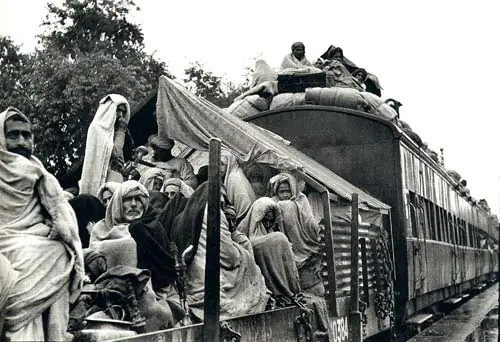
Killing had begun in March 1947 in Rawalpindi and the villages around it, where Hindus and Sikhs were massacred. From August it engulfed both halves of Punjab. Trains arrived at Amritsar and Lahore carrying only the dead. Hindus and Sikhs fled west Punjab, Sindh and the Frontier; Muslims fled east Punjab and Delhi. Thousands of women were abducted on both sides; the recovery operation the two governments ran until 1957 brought back about 30,000 of them, by the count of Ritu Menon and Kamla Bhasin.
03The count
No one counted the dead. Estimates run from about 2 lakh, the figure of some British officials, to 20 lakh; many historians settle near 10 lakh. The censuses of 1951 in India and Pakistan between them counted about 1.45 crore displaced persons, a little over half of them Hindus and Sikhs who had come to India. Refugee colonies grew in Delhi, around Calcutta and across north India.
04Memory
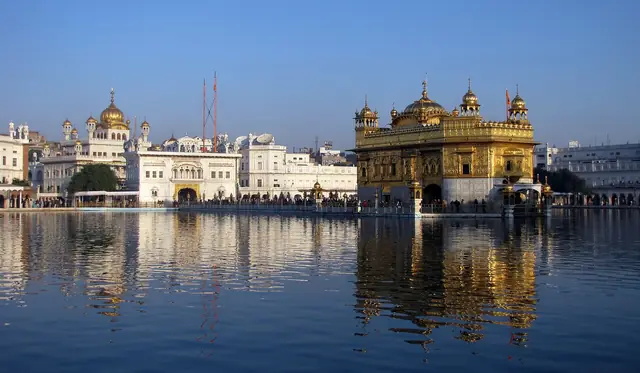
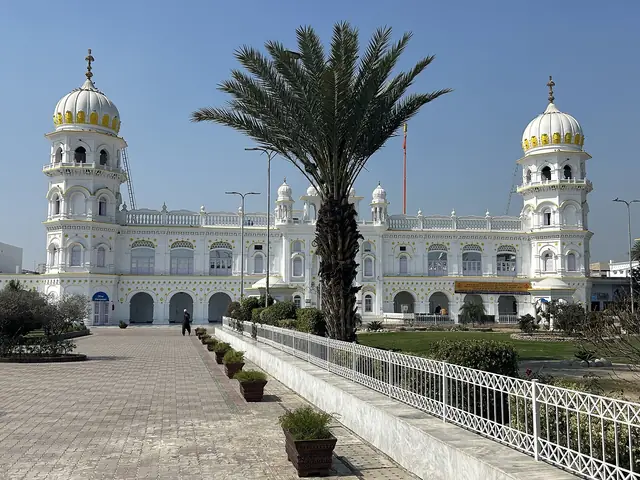
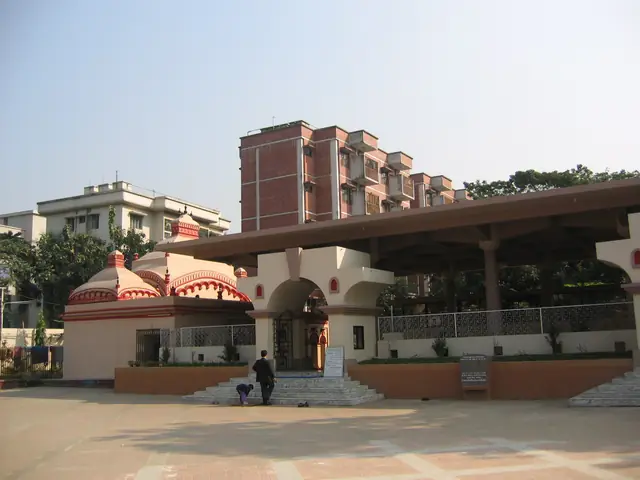
Lahore, Rawalpindi, Multan, Karachi and Dhaka held old Hindu temples, gurdwaras and families whose roots went back centuries; most were emptied in a few months. Nankana Sahib, the birthplace of Guru Nanak, was left in Pakistan. In 2021 the Government of India declared 14 August Partition Horrors Remembrance Day. Oral-history projects such as the 1947 Partition Archive have since recorded thousands of survivors’ accounts.