Cite
MLA
“Capture and execution of Chhatrapati Sambhaji.” Hindu History, 2026, https://www.hinduhistory.in/ghatana/martyrdom-of-sambhaji/. Accessed .
APA
Hindu History. (2026). Capture and execution of Chhatrapati Sambhaji. Retrieved , from https://www.hinduhistory.in/ghatana/martyrdom-of-sambhaji/
01Nine years of war
Sambhaji took the throne in 1681, the year Aurangzeb came south with the whole Mughal army. For eight years the Chhatrapati held the forts of the Sahyadri against it while also fighting the Siddis of Janjira and the Portuguese of Goa. In 1686 and 1687 Bijapur and Golconda fell to the emperor, and the full weight of the empire turned on the Marathas.
02Sangameshwar to Tulapur
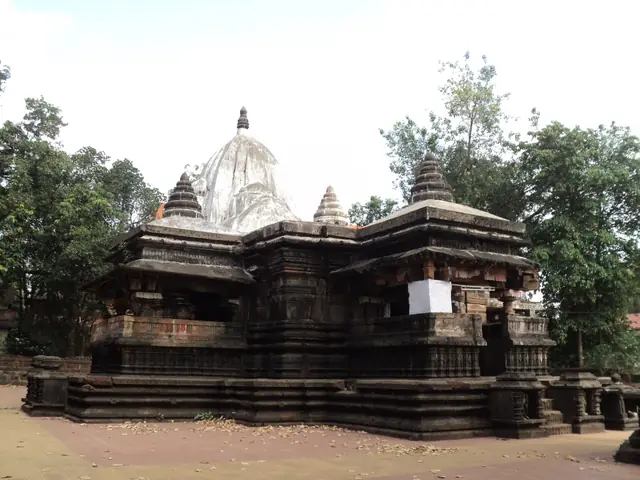
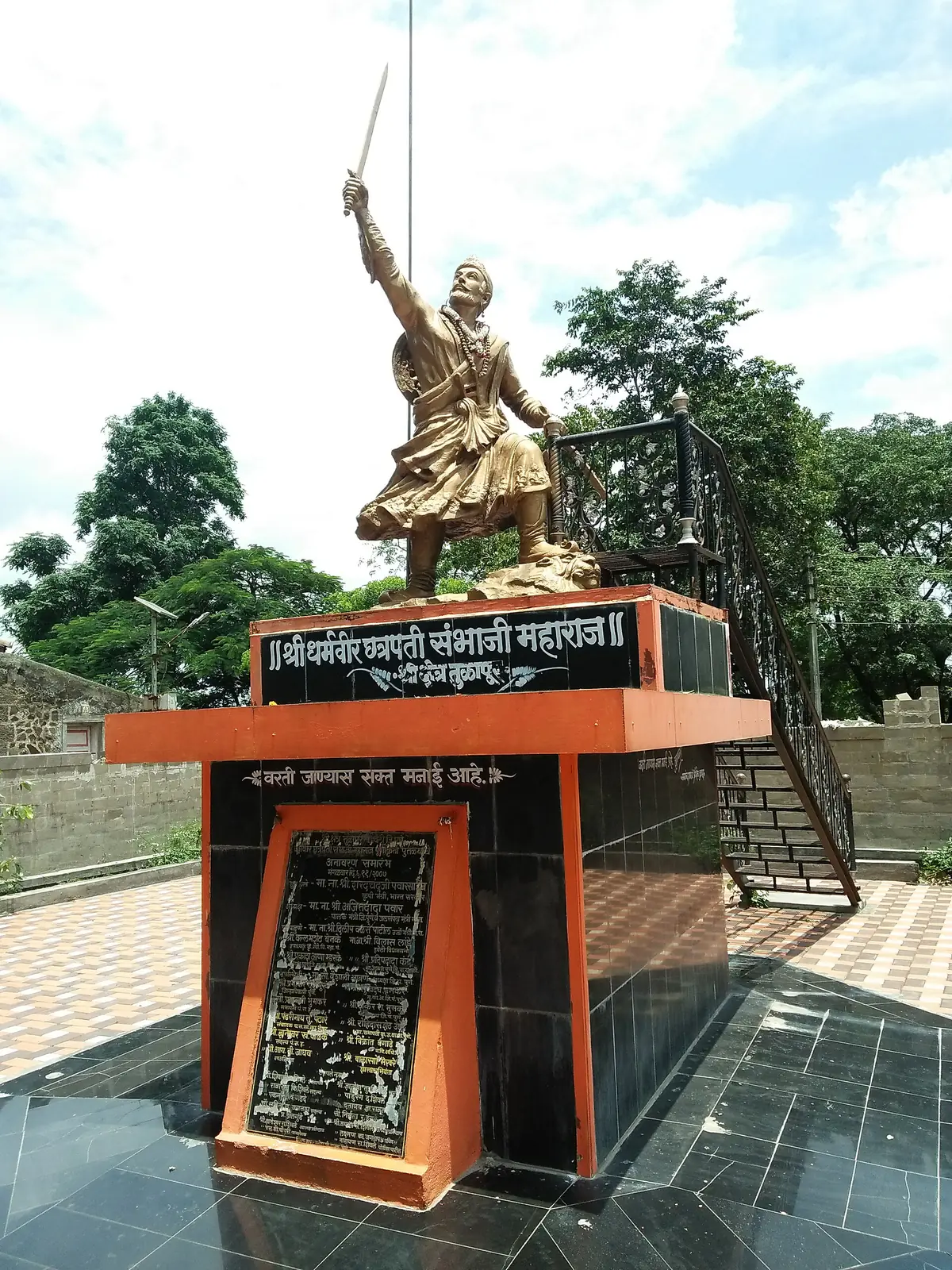
In early February 1689 Muqarrab Khan, with a fast force, surprised Sambhaji and his minister and poet-friend Kavi Kalash at Sangameshwar in the Konkan. The Maasir-i-Alamgiri records their capture and their being brought to the imperial camp at Bahadurgad, where they were paraded in humiliation. Sambhaji refused to give up his forts or his faith. After weeks of torture both men were killed at Tulapur, where the Bhima and the Indrayani meet, in March 1689.
03The Marathas fight on
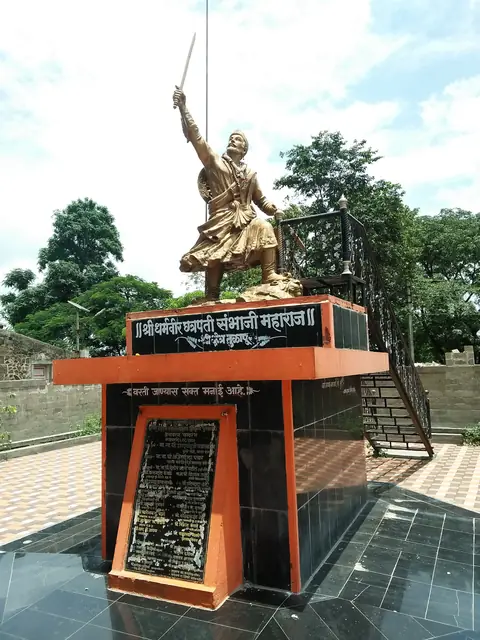
The killing did not end the war. Sambhaji’s brother Rajaram escaped to Jinji in the far south, and after his death in 1700 Maharani Tarabai led the war. Aurangzeb died in the Deccan in 1707 without subduing them. Sambhaji’s samadhi stands at Tulapur, and nearby Vadhu Budruk keeps the place of his cremation. Marathi tradition calls him Dharmaveer. His son Shahu, a boy of seven, was taken captive when Raigad fell later in 1689 and was released only in 1707.