Cite
MLA
“Destruction of Nalanda and the Magadha viharas.” Hindu History, 2026, https://www.hinduhistory.in/ghatana/destruction-of-nalanda/. Accessed .
APA
Hindu History. (2026). Destruction of Nalanda and the Magadha viharas. Retrieved , from https://www.hinduhistory.in/ghatana/destruction-of-nalanda/
01The great vihara
Nalanda had been teaching since the Gupta kings of the 5th century. Xuanzang studied there in the 630s under the abbot Shilabhadra, and Yijing spent about ten years there later in the same century. Pala kings and even a Shailendra king of Sumatra endowed it with villages. By the 12th century Magadha held a ring of such viharas, Nalanda, Odantapuri and Vikramashila among them, with libraries of palm-leaf manuscripts and teachers whose names were known in Tibet.
02What the chronicler wrote
Minhaj-i-Siraj, writing the Tabaqat-i-Nasiri around 1260, records that Bakhtiyar Khalji attacked a walled place in Bihar, that most of its inhabitants were shaven-headed brahmans who were all killed, and that only afterwards did his men learn from the books they found that the place was a college. Most historians identify that site with Odantapuri. Tibetan accounts, including Taranatha’s history of 1608, tell of the same raiders laying waste Nalanda and Vikramashila. The exact sequence and the date of each sack are uncertain; the raids fall between about 1193 and 1203.
03A witness in the ruins
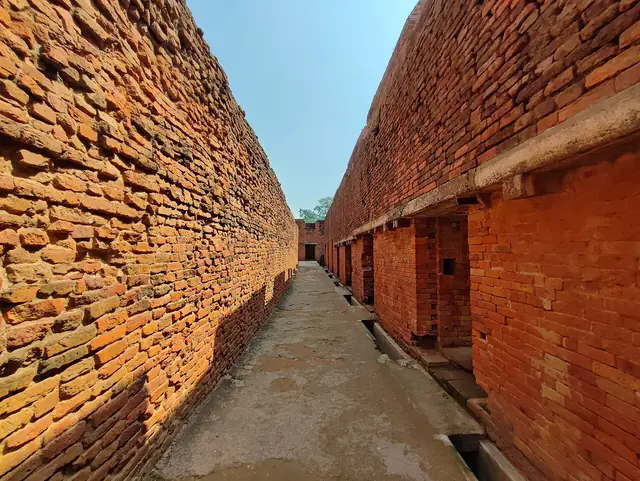
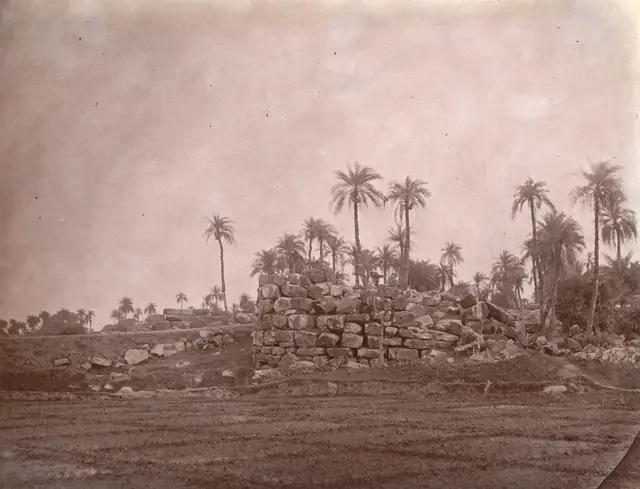
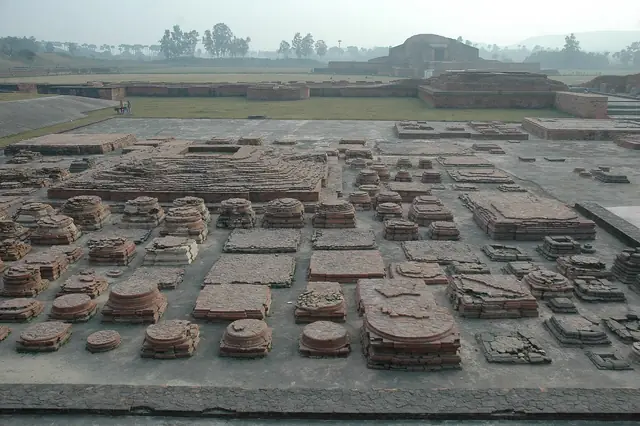
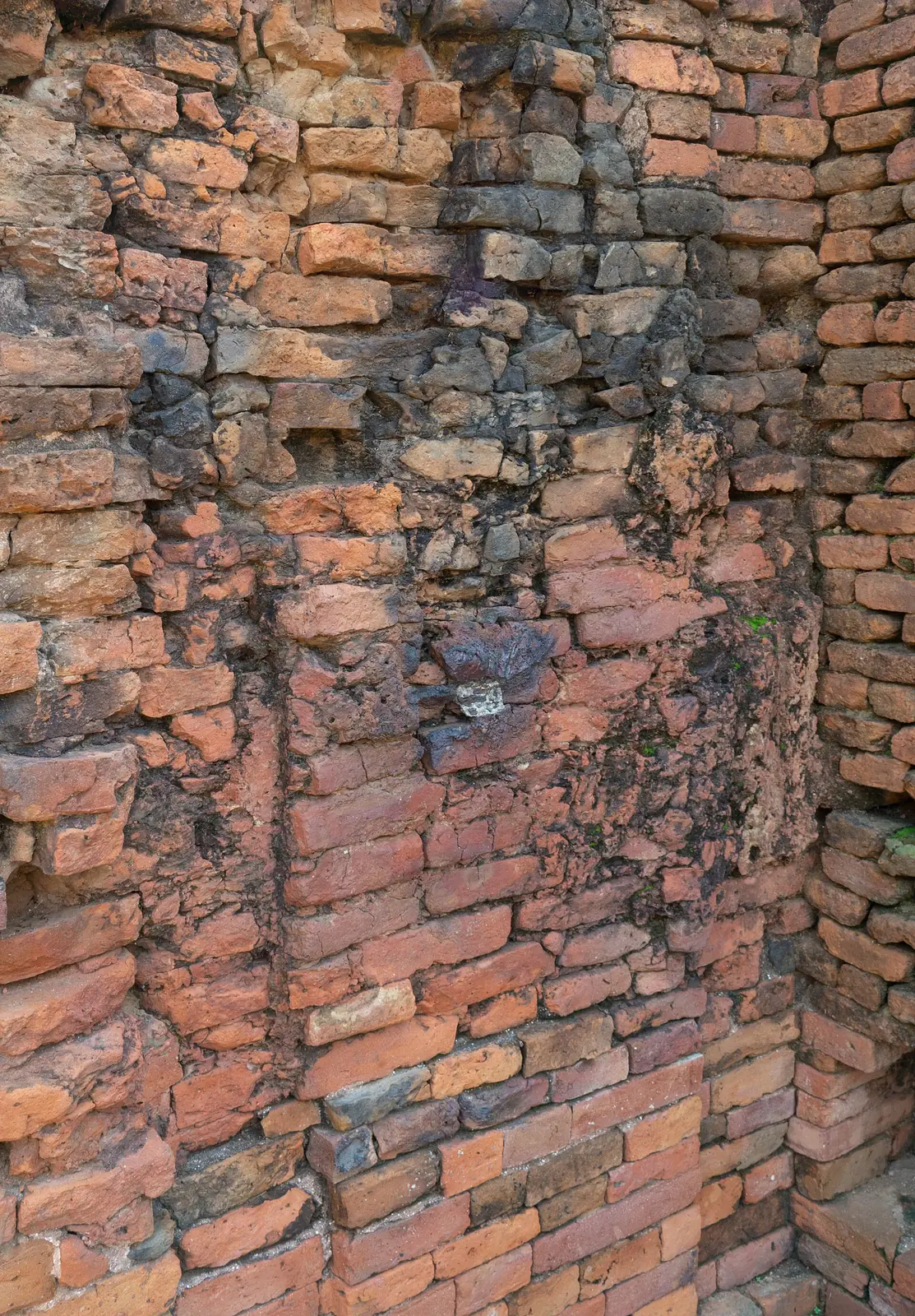
In the 1230s the Tibetan monk Dharmasvamin reached Nalanda. His biography says most buildings stood empty and damaged, that the aged teacher Rahula Shribhadra was still instructing a small group of students, and that the monks fled when soldiers came through. Excavations by the Archaeological Survey of India from 1915 found layers of burning in the monasteries. The buildings were never rebuilt, and the place passed out of use.
04Nalanda today
The excavated ruins became a UNESCO World Heritage Site in 2016. A new Nalanda University was set up by an Act of Parliament in 2010 at Rajgir, a few kilometres away, and its campus was opened in 2024. For Hindus, Jains and Buddhists alike, the burnt walls of Monastery 1 are a reminder of how much of Bharat’s written learning was lost in a few years.