Cite
MLA
“The Goa Inquisition.” Hindu History, 2026, https://www.hinduhistory.in/ghatana/goa-inquisition/. Accessed .
APA
Hindu History. (2026). The Goa Inquisition. Retrieved , from https://www.hinduhistory.in/ghatana/goa-inquisition/
01How it came
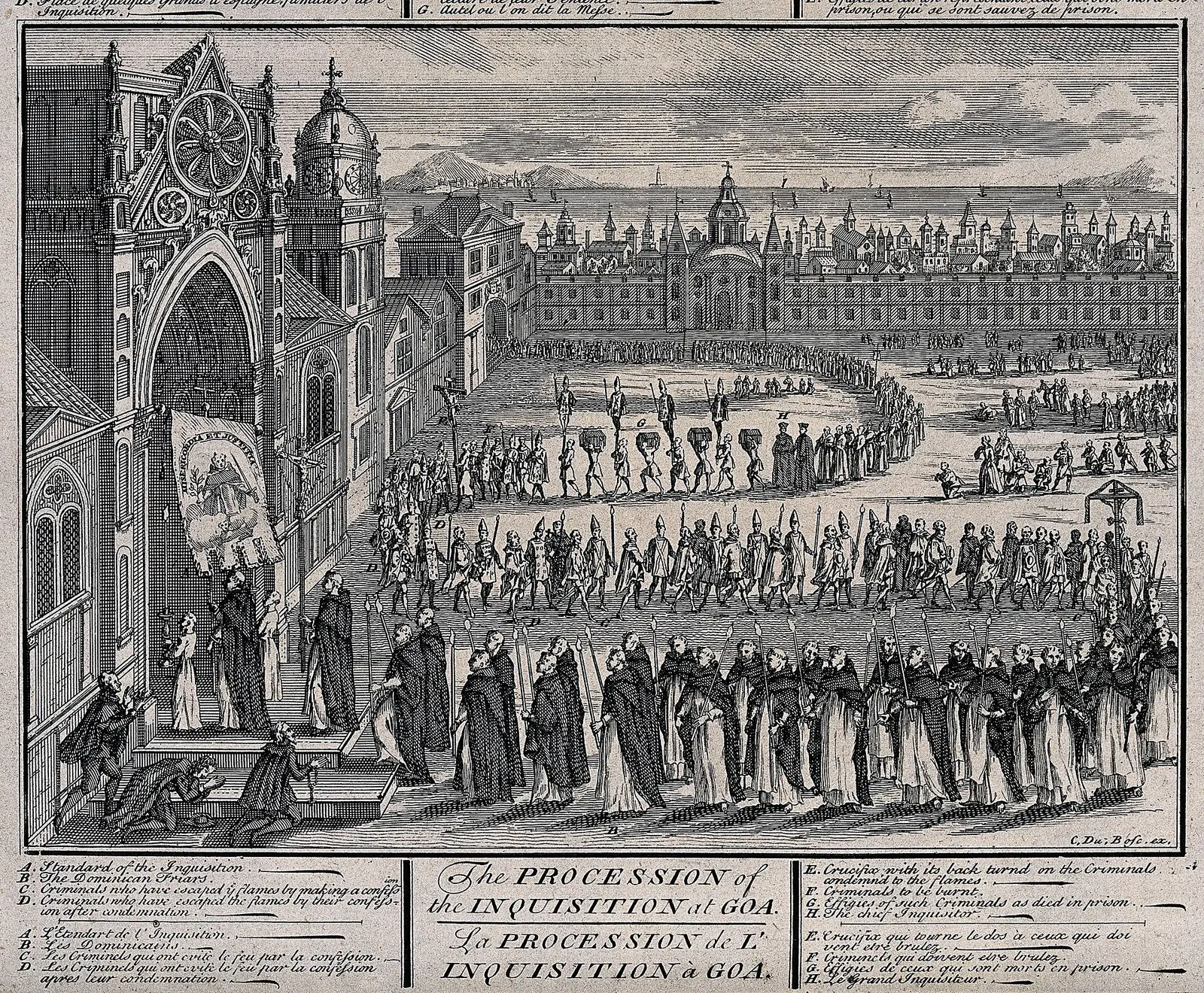
The Portuguese took Goa from the Bijapur sultanate in 1510. In a letter of 1545 to King João III, the Jesuit Francis Xavier asked for the Inquisition to be sent to India. The first inquisitors arrived in 1560 and set up in the old palace of the Adil Shahs in Old Goa. The tribunal’s first targets were converts accused of keeping Hindu, Jewish or Muslim practice in secret.
02Laws against Hindu worship
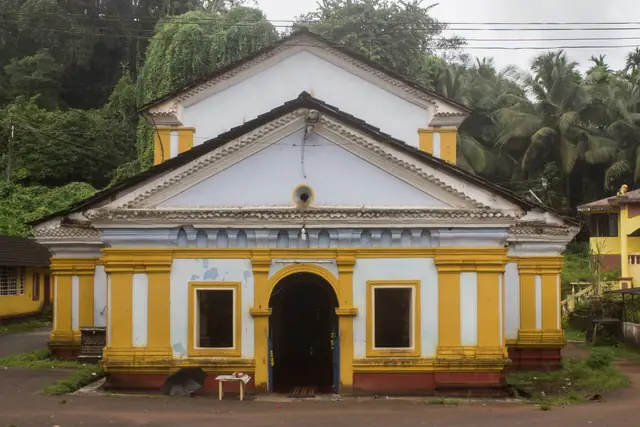
From the 1560s the colonial state passed laws that forbade public Hindu worship, the building or repair of temples, Hindu weddings in public and the keeping of images of deities. Informers were given a share of seized property. Hundreds of temples in Tiswadi, Bardez and Salcete were destroyed in the 1560s; exact numbers are not known. Families carried the deities of Mangesh, Shantadurga, Mahalasa and many more to Ponda and other lands outside Portuguese rule, where those temples stand today. In 1684 the viceroy also banned the Konkani language.
03The toll
Most of the tribunal’s records were burnt after it was abolished in 1812, so the full count cannot be known. From the papers that survive, historians reckon about 16,000 trials between 1561 and 1774. The figures cited from the surviving lists, following António José Saraiva, are 57 people burnt at the stake in person and 64 burnt in effigy; thousands more received lesser punishments, prison, the galleys or loss of property. The tribunal was suspended in 1774, restored in 1778 and closed for good in 1812.
04Memory
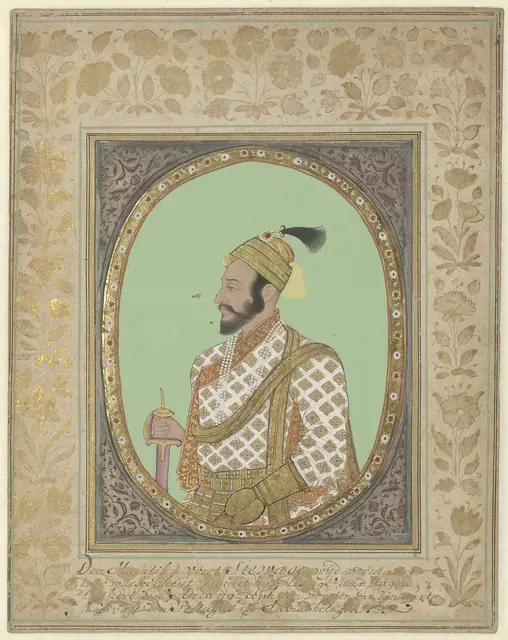
A. K. Priolkar’s book The Goa Inquisition (1961) brought the subject before Indian readers. Shivaji raided Bardez in 1667, and in 1668 he rebuilt the Saptakoteshwar temple at Narve, whose deity had been hidden from the Portuguese. Goa was freed from Portuguese rule in December 1961. Mangeshi at Priol and Shantadurga at Kavlem, the temples raised for deities carried out of Portuguese land, are today among the most visited in Goa.