Cite
MLA
“The Navagraha.” Hindu History, 2026, https://www.hinduhistory.in/devata/navagraha/. Accessed .
APA
Hindu History. (2026). The Navagraha. Retrieved , from https://www.hinduhistory.in/devata/navagraha/
जपाकुसुमसंकाशं काश्यपेयं महाद्युतिम्।
तमोऽरिं सर्वपापघ्नं प्रणतोऽस्मि दिवाकरम्॥
japākusumasaṅkāśaṃ kāśyapeyaṃ mahādyutim |
tamo'riṃ sarvapāpaghnaṃ praṇato'smi divākaram ||
In the Navagraha mandapa, Surya stands at the centre with the other eight around him, placed so that no two face each other; each has his own colour, mount, weapon and number of arms. On north Indian temple doorways they appear as a row of nine small figures over the lintel, Surya first, Rahu as a head alone, Ketu with a serpent’s tail.
01The nine, and the two shadows
Graha means one who seizes. Seven of the nine are the Sun, the Moon and the five planets seen with the eye, and their names give the seven days of the week: Ravivara, Somavara, Mangalavara and the rest. The other two are Rahu and Ketu, the chaya grahas or shadow planets, which mark the points where the Moon’s path crosses the Sun’s. The katha of the churning of the ocean explains them: an asura slipped in among the devas to drink the amrita, Surya and Chandra exposed him, and Vishnu cut off his head with the Sudarshana. The head, already immortal, became Rahu and the body Ketu, and they still swallow the Sun and Moon at eclipses.
02Graha shanti
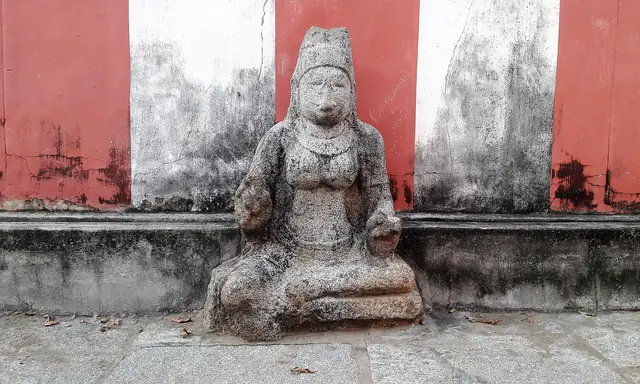
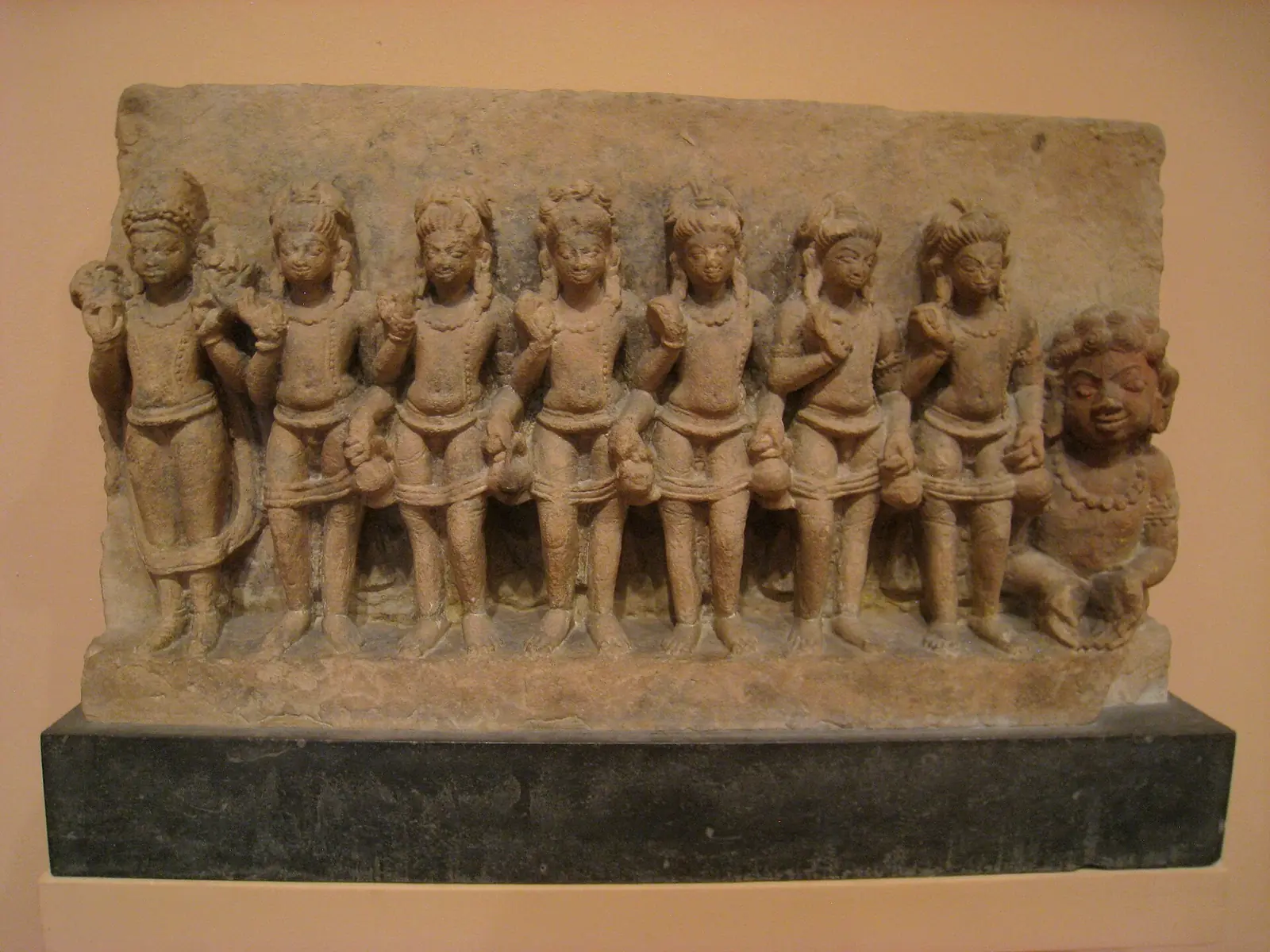
Before a wedding, a griha pravesh or any big undertaking, a family will often have a graha shanti performed: the nine are invoked with their own mantras, offered their own grains and colours, and given a homa. Devotees walk clockwise around the Navagraha mandapa. The best-loved hymn is the Navagraha Stotra carried in the name of Maharshi Vyasa, which opens japākusumasaṅkāśam for Surya, red as the hibiscus, and gives one verse to each graha. Muthuswami Dikshitar (1776–1835) composed a Carnatic kriti for each of them. Stone panels of the nine are carved from the Gupta age onwards; a relief of 550–575 CE from Uttar Pradesh is in the Worcester Art Museum.
03The nine temples of the Kaveri delta
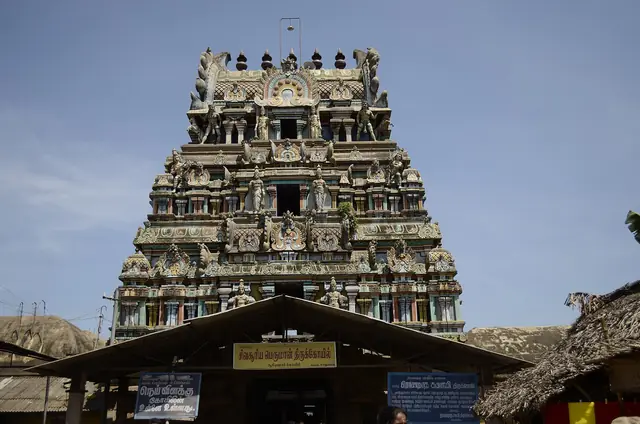
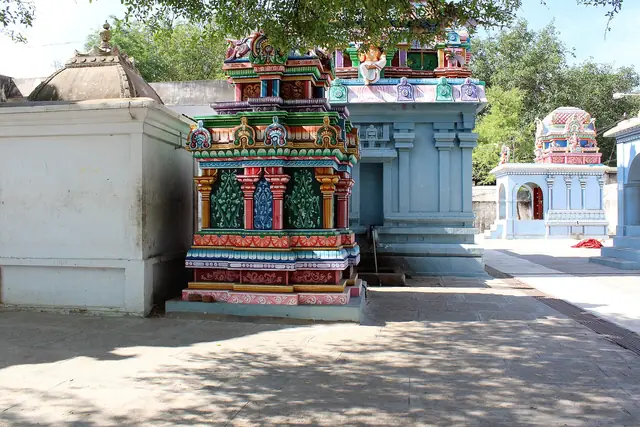
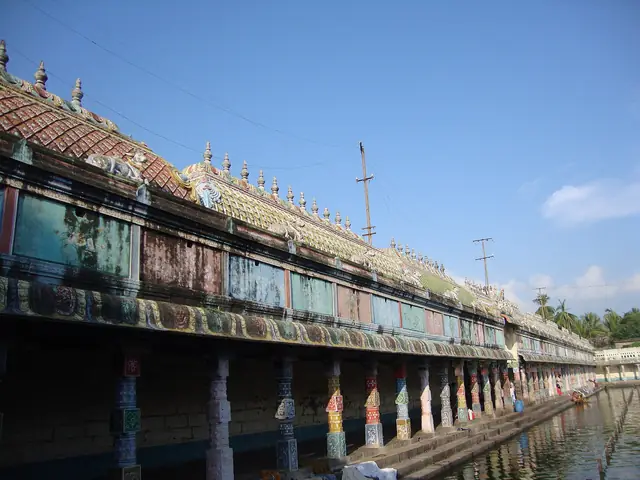
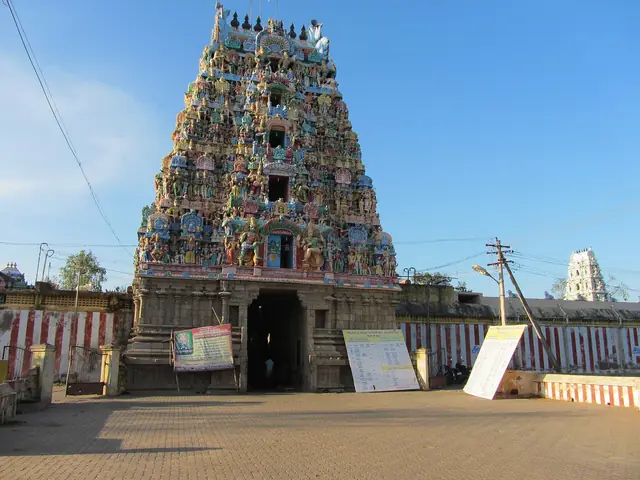
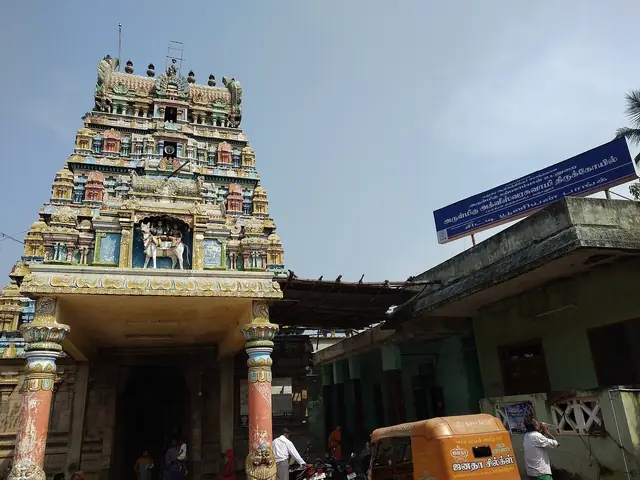
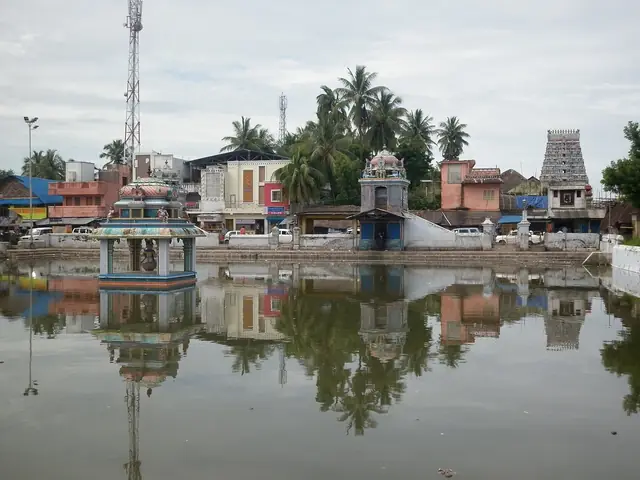
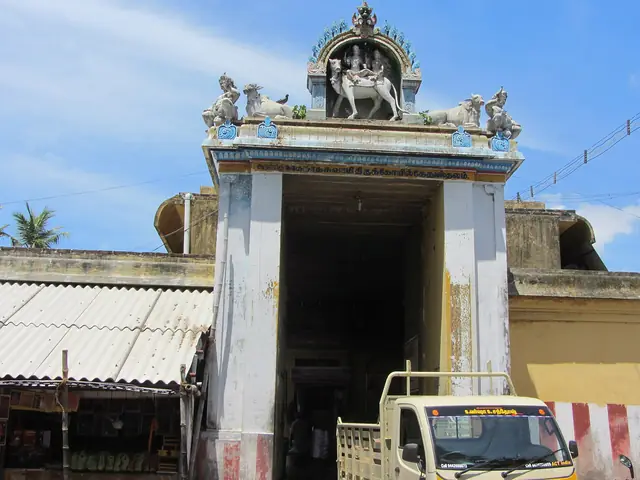
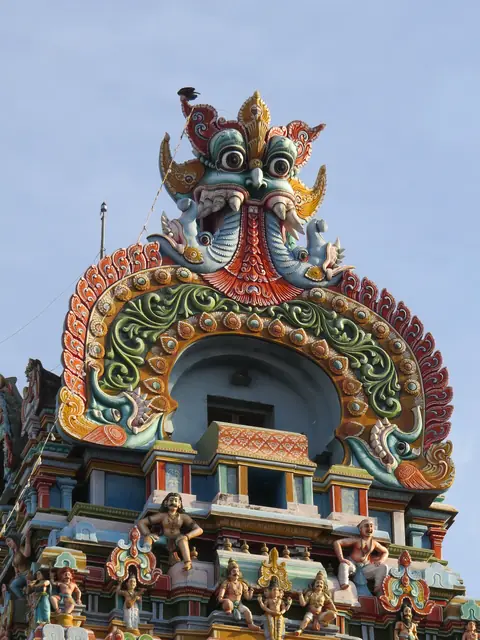
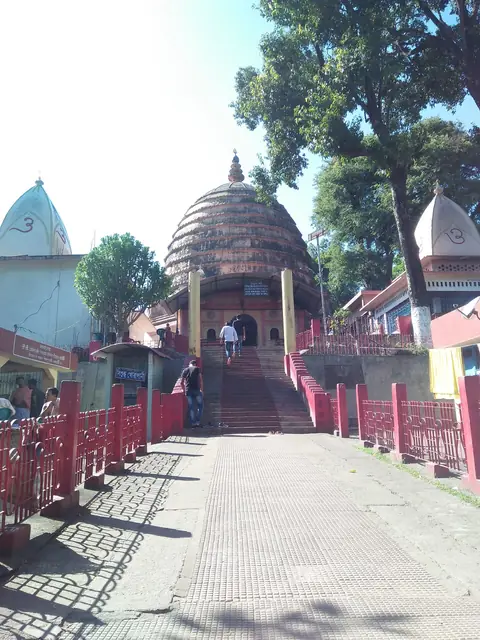
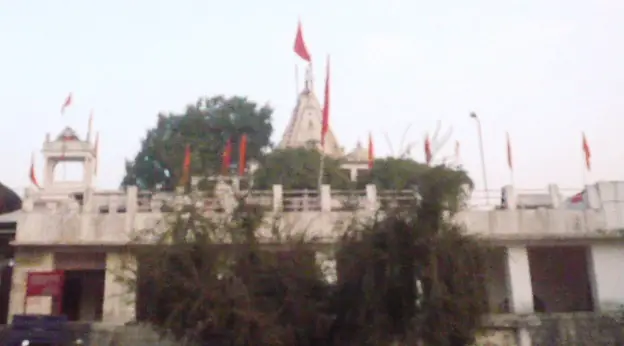
Around Kumbakonam, within about a hundred kilometres, nine Shiva temples each hold the shrine of one graha, and pilgrims go round all nine: Suryanar Kovil for Surya, the only one where the graha is the main deity; Thingalur for Chandra; Vaitheeswaran Koil for Angaraka (Mangala); Thiruvenkadu for Budha; Alangudi for Guru; Kanjanur for Shukra; Thirunallar for Shani; Thirunageswaram for Rahu; and Keezhaperumpallam for Ketu. On the Thamirabarani, the nine Vishnu temples of Nava Tirupati are each linked to a graha too. In Guwahati the Navagraha temple on Chitrachal hill worships the nine as nine lingas, and at Ujjain the Mangalnath temple worships Shiva as lord of Mangala.
In the texts
- Navagraha Stotra of Vyasa
- Yajnavalkya Smriti, Achara Adhyaya (graha shanti)
- Surya Siddhanta
- Navagraha kritis of Muthuswami Dikshitar