Cite
MLA
“Bhagwan Kartikeya (Murugan).” Hindu History, 2026, https://www.hinduhistory.in/devata/kartikeya/. Accessed .
APA
Hindu History. (2026). Bhagwan Kartikeya (Murugan). Retrieved , from https://www.hinduhistory.in/devata/kartikeya/
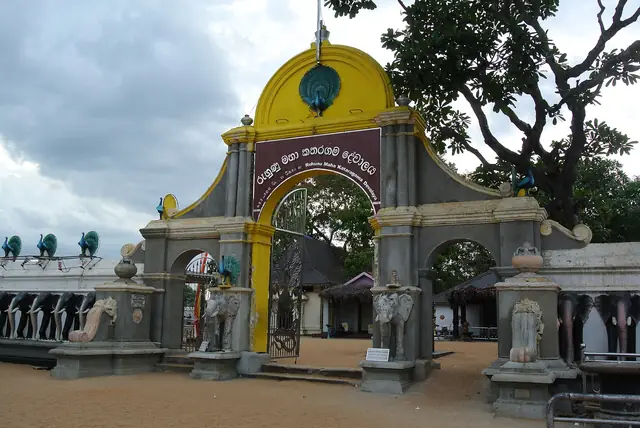
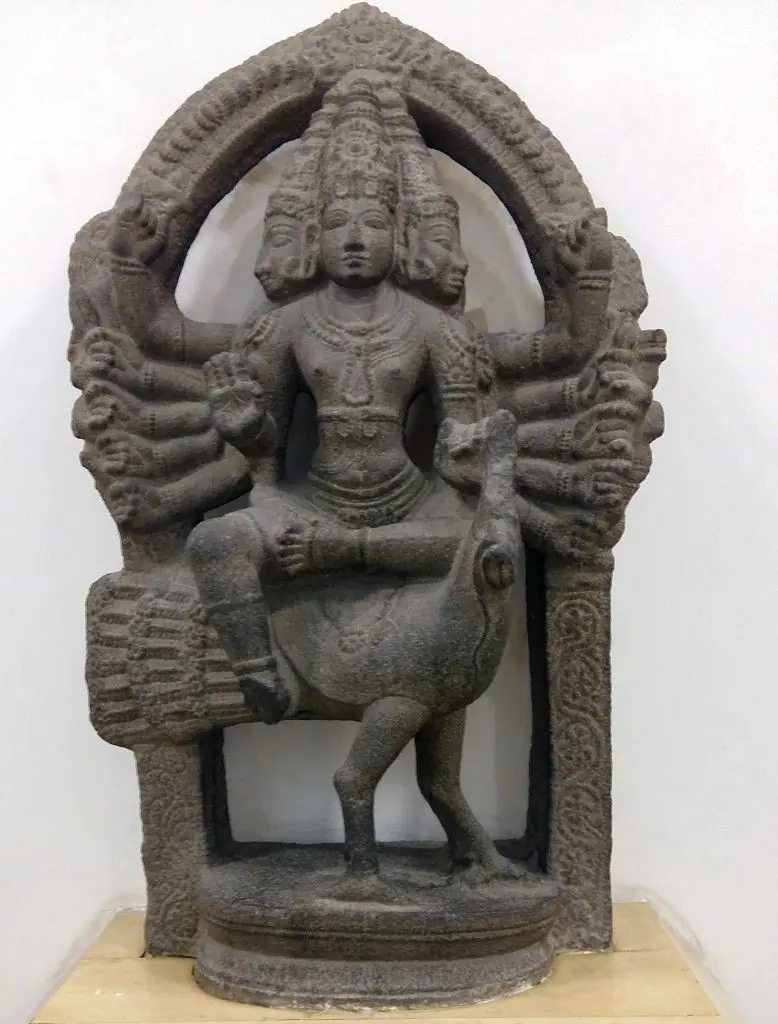
A youth with one or six faces, holding the vel (spear) his mother gave him, with a cockerel on his banner, riding or standing beside a peacock. At Palani he is the renunciant Dandayudhapani with a staff and shaven head; elsewhere he stands between his consorts Valli and Devasena.
01Born to defeat Taraka
Taraka had won a boon that only a son of Shiva could kill him, at a time when Shiva sat in yoga after Sati’s death. The Shiva Purana’s Kumara Khanda tells how the devas brought about the marriage of Shiva and Parvati, and how Shiva’s fiery seed passed through Agni and the Ganga to a reed forest, where a child was born. Six Krittikas came to nurse him, and he grew six faces to drink from all of them. The Valmiki Ramayana (Bala Kanda) tells the same birth to young Rama. Made general of the devas, he led them out and killed Taraka.
02Murugan of the Tamils
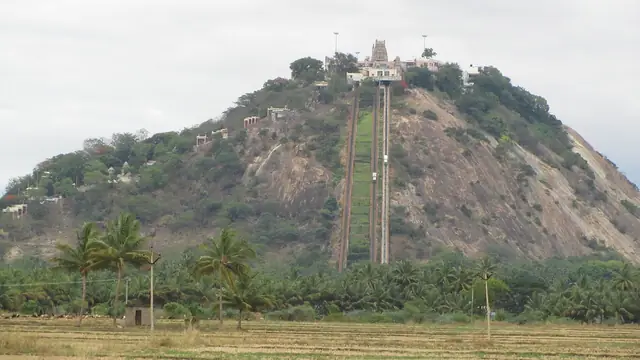
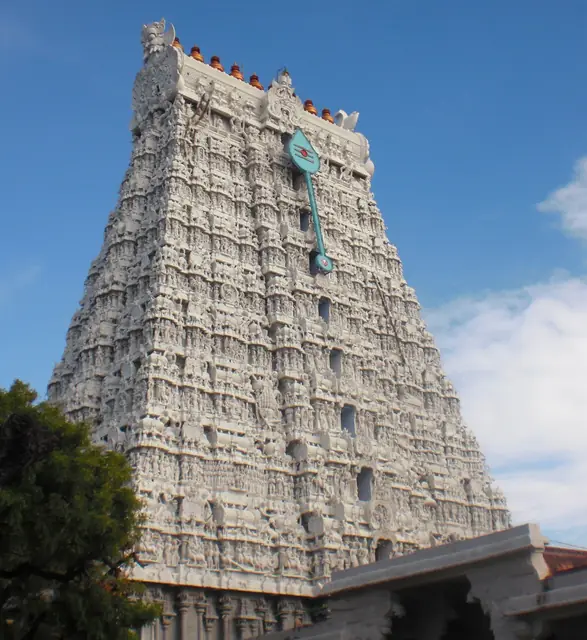
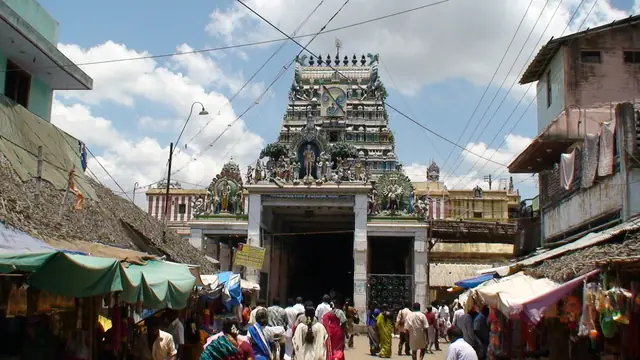
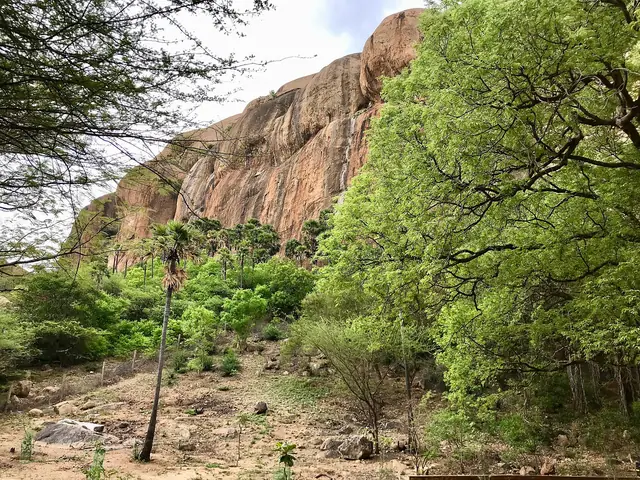
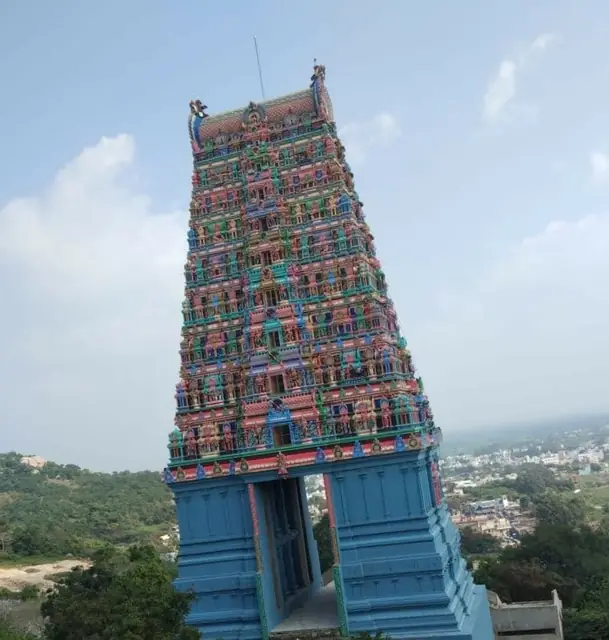
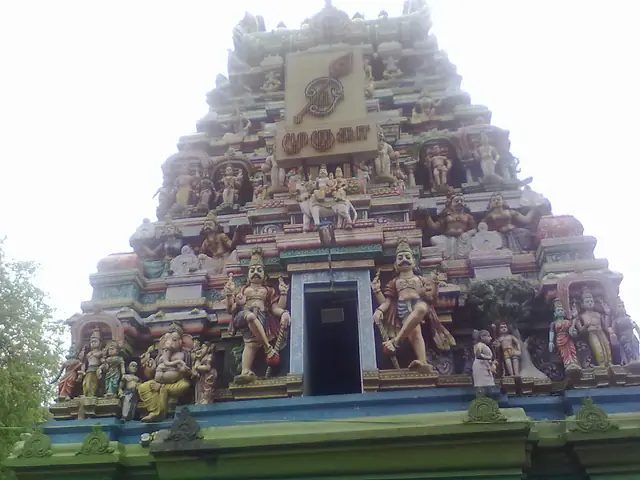
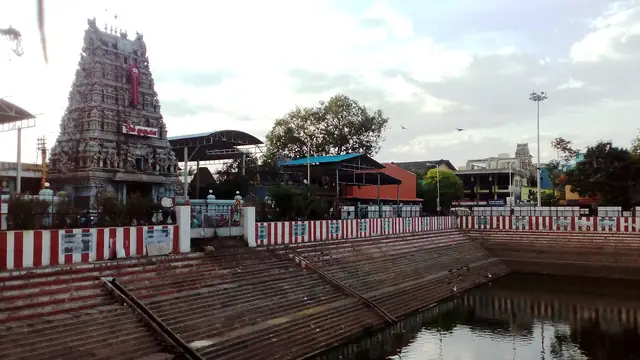
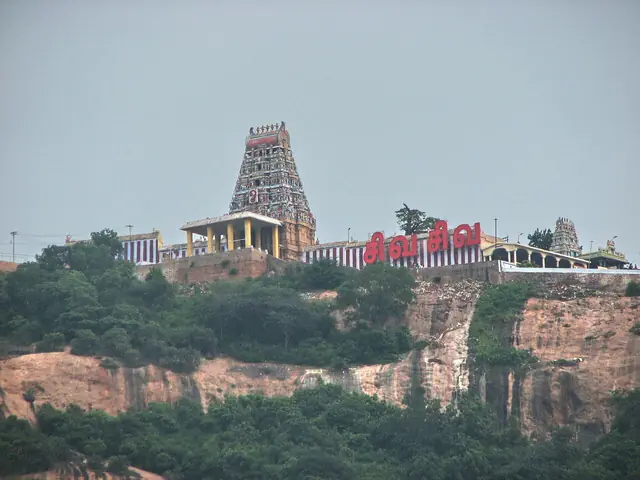
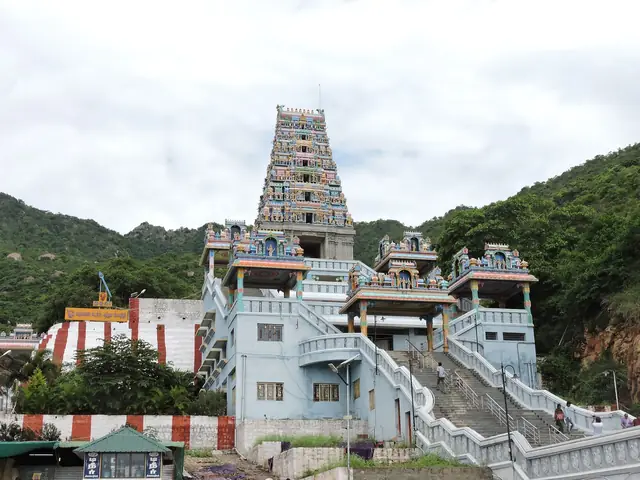
In Tamil devotion he is Murugan, the beautiful one, lord of the hills. Nakkirar’s Tirumurugatruppadai guides the pilgrim to his six Padai Veedu: Thiruparankundram, where he married Devasena; Tiruchendur on the sea, where he destroyed Surapadman; Palani, where he stood alone after losing the fruit to Ganesha; Swamimalai, where as a child he taught his father the meaning of Om; Tiruttani, where he married Valli; and Pazhamudircholai in the forest. Arunagirinathar’s Thiruppugazh hymns in the fifteenth century are still sung at every one.
03Festivals of the vel
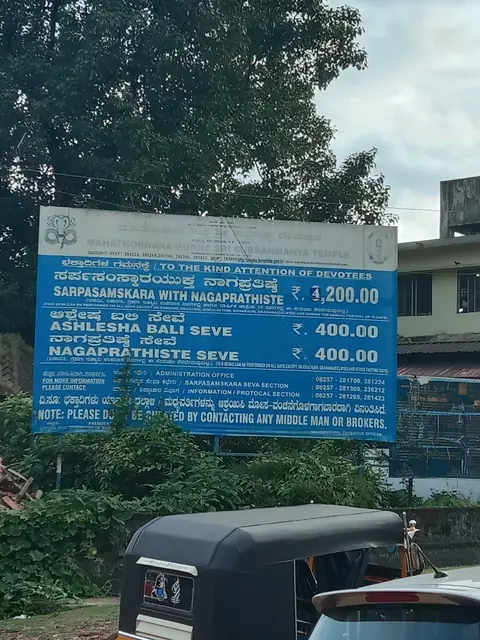
Skanda Shashti, the sixth day of the bright half of Kartik (Aippasi in the Tamil month), ends at Tiruchendur with the Soorasamharam, when the slaying of Surapadman is enacted on the shore before lakhs. Thaipusam in the month of Thai brings devotees carrying kavadi, often after forty-eight days of vow, to Palani, and to Batu Caves and Singapore wherever Tamils have settled. Panguni Uttiram marks his wedding. In north India his worship is older than it looks: Skandamata is the fifth of the Navadurga, and Kukke Subrahmanya in Karnataka is a great serpent-shrine of his.
In the texts
- Shiva Purana, Rudra Samhita, Kumara Khanda
- Valmiki Ramayana, Bala Kanda
- Skanda Purana
- Tirumurugatruppadai of Nakkirar; Thiruppugazh of Arunagirinathar
- Kumarasambhava of Kalidasa