Cite
MLA
“Thaipusam.” Hindu History, 2026, https://www.hinduhistory.in/utsav/thaipusam/. Accessed .
APA
Hindu History. (2026). Thaipusam. Retrieved , from https://www.hinduhistory.in/utsav/thaipusam/
How it is kept
- 01
A vrata of forty-eight days or less: one meal, celibacy, sleeping on the floor
- 02
Paal kudam: pots of milk carried on the head to pour over the vel
- 03
Kavadi carried on the shoulders up the hill
- 04
Vel piercing of the tongue or cheeks by some devotees
- 05
Chants of vel vel vetrivel and Arohara
01The vel and Idumban’s kavadi
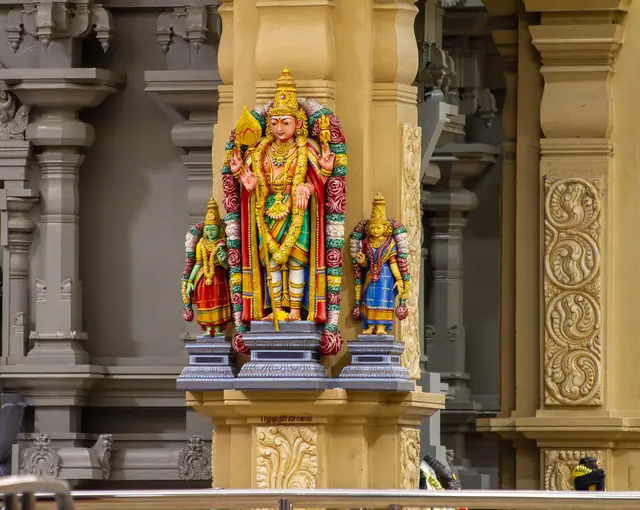
The Skanda Purana and the Tamil Kanda Puranam of Kachiyappa Sivachariar tell how Murugan, son of Shiva, led the devas against the asura Surapadman and split him with the vel, the spear his mother Parvati gave him; Thaipusam is kept as the day he received it. The kavadi comes from Palani: the asura Idumban, set by the rishi Agastya to carry two hills on a pole across his shoulders, set them down to rest and found the boy Murugan standing on one, and was forgiven and made the guardian of the hill. Every kavadi-bearer carries Idumban’s burden.
02Batu Caves and the Tamil diaspora
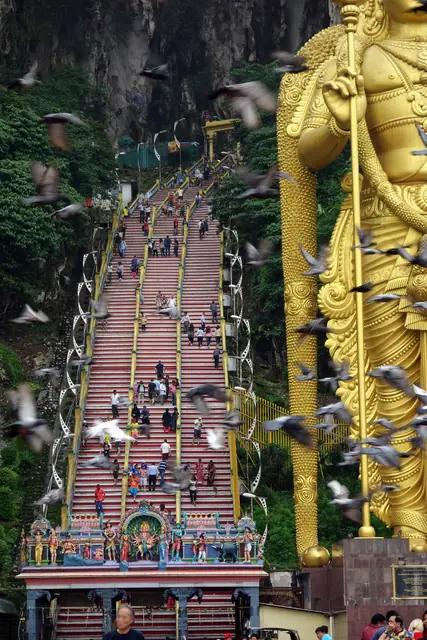
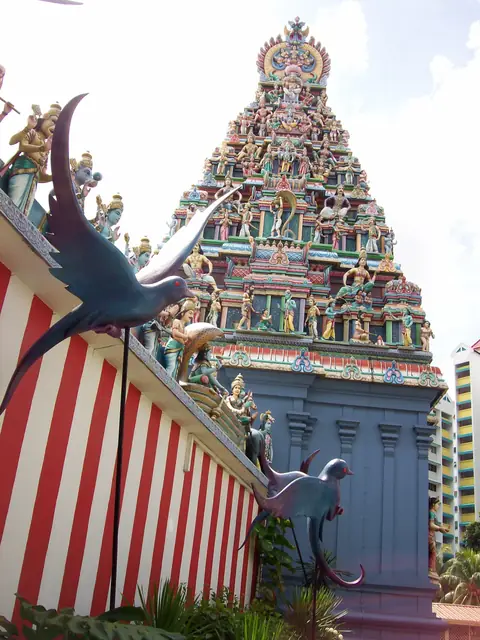
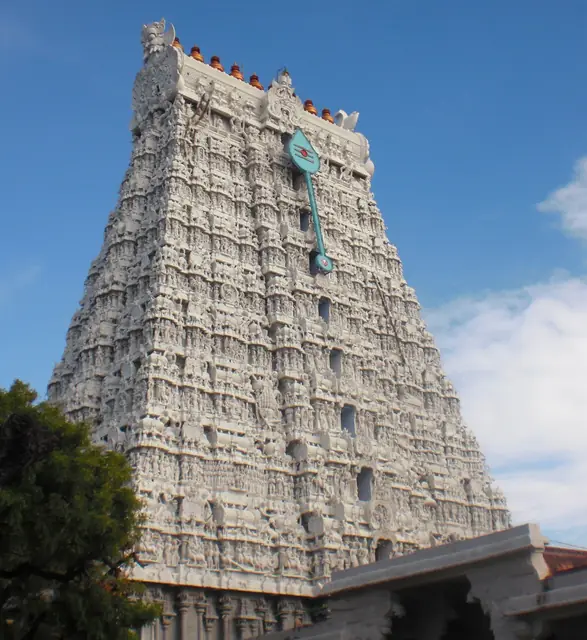
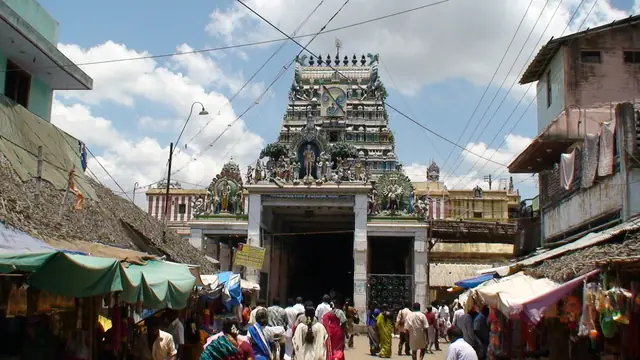
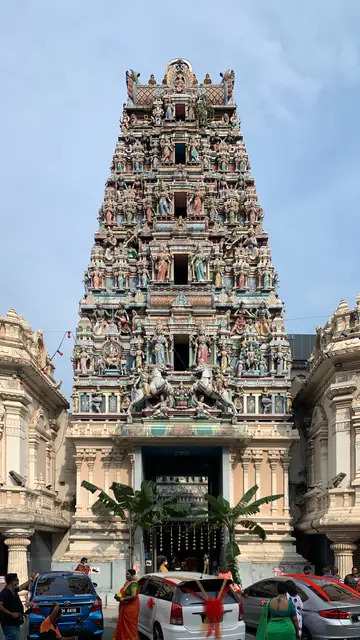
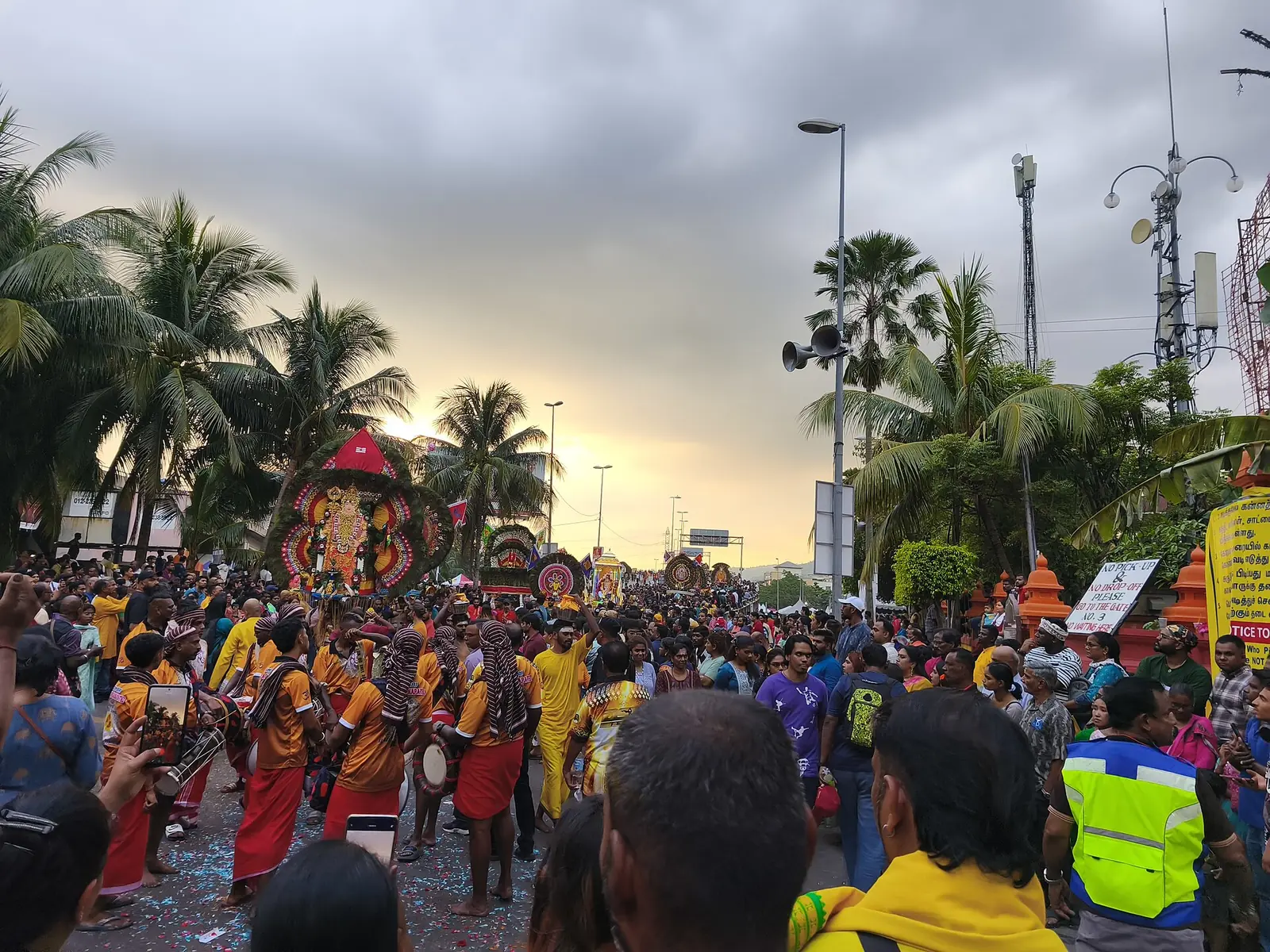
Tamil workers carried the festival to the plantations of British Malaya. In 1891 K. Thamboosamy Pillay, founder of the Sri Mahamariamman temple in Kuala Lumpur, set up a vel in the great limestone cave at Batu, and the first Thaipusam there was held in 1892. Today the procession leaves Kuala Lumpur at night and devotees climb the 272 steps with their kavadis by dawn. In Singapore the kavadis walk from Sri Srinivasa Perumal temple to Sri Thendayuthapani temple. Palani, the hill of Dandayudhapani, remains the first home of the festival.
Palani and the Murugan shrines of Tamil Nadu; above all Malaysia (Batu Caves, Penang), Singapore, Mauritius, Réunion, South Africa and Fiji