Cite
MLA
“Sambhaji’s sack of Burhanpur.” Hindu History, 2026, https://www.hinduhistory.in/battles/sack-of-burhanpur-1681/. Accessed .
APA
Hindu History. (2026). Sambhaji’s sack of Burhanpur. Retrieved , from https://www.hinduhistory.in/battles/sack-of-burhanpur-1681/
The Marathas plundered the rich suburbs of Burhanpur for three days and got away before Mughal help came.
01The gate of the Deccan
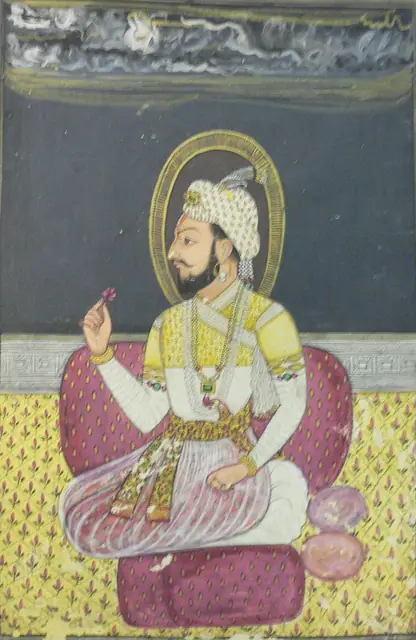
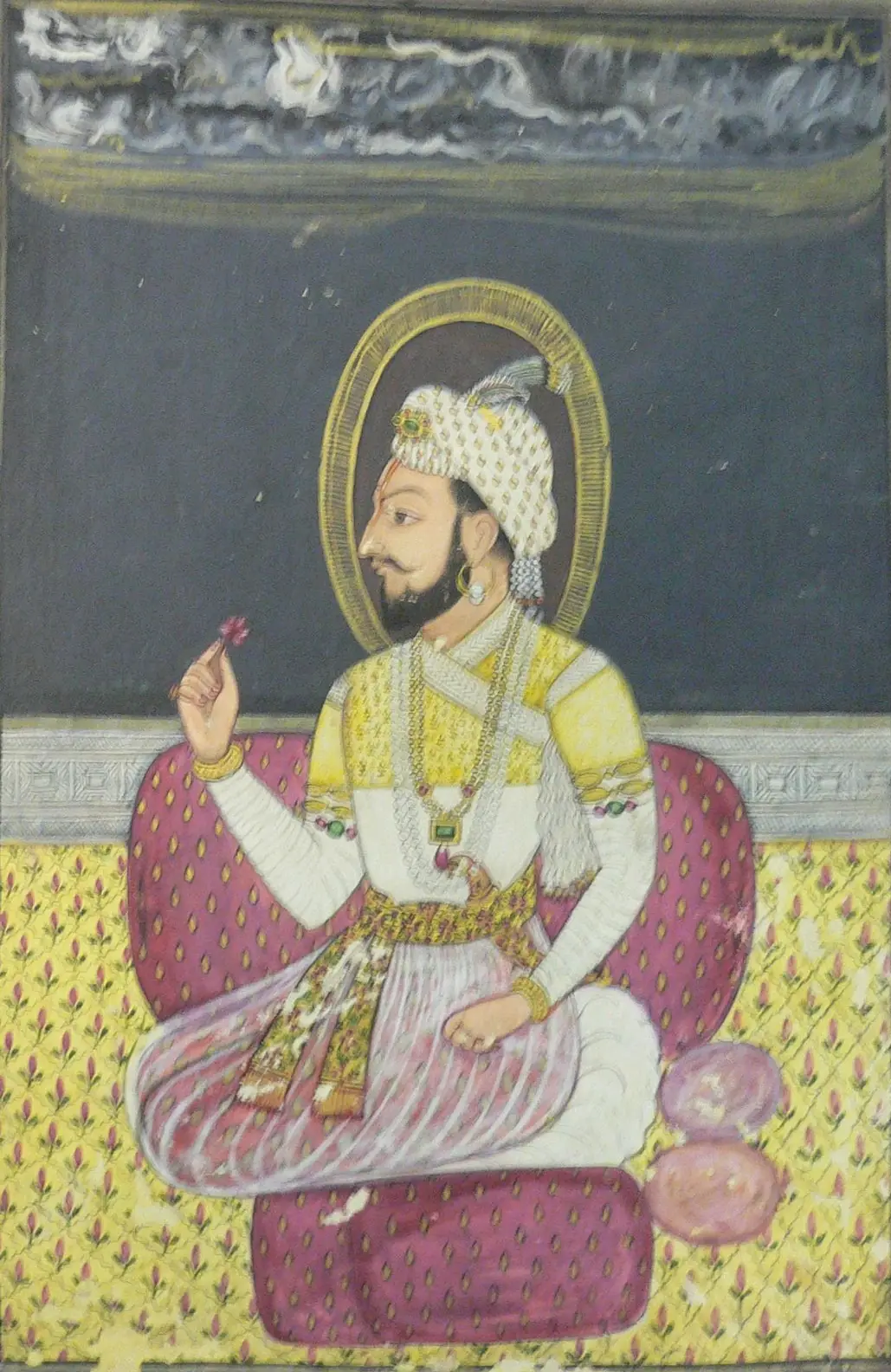
Burhanpur on the Tapti was the capital of Mughal Khandesh and the great trading city on the road from Agra to the Deccan and Surat. Sambhaji, crowned in 1681 after a struggle at court, needed money and wished to show Aurangzeb that the Marathas were as strong as under Shivaji. Early in 1681 a Maratha army under his commander-in-chief Hambirrao Mohite rode swiftly north. The governor Khan Jahan was away, and his deputy Kakar Khan had only a small force.
02Three days of plunder
The Marathas did not attack the walled city but fell on its rich suburbs, chief among them Bahadurpura, where bankers and merchants lived. For three days they took gold, jewels and cloth, and burned what they could not carry. The garrison stayed behind the walls. By the time Khan Jahan came up, the Marathas were gone with their spoil. The merchants of Burhanpur petitioned Aurangzeb, and the raid was one reason he decided to come to the Deccan himself later that year.
The sack of Burhanpur announced Sambhaji’s reign and helped draw Aurangzeb to the Deccan, where he would spend the last twenty-six years of his life.