Cite
MLA
“Repulse at the Khyber.” Hindu History, 2026, https://www.hinduhistory.in/battles/khyber-repulse-1842/. Accessed .
APA
Hindu History. (2026). Repulse at the Khyber. Retrieved , from https://www.hinduhistory.in/battles/khyber-repulse-1842/
Wild’s brigade failed to force the pass to Jalalabad and fell back to Jamrud; the Khyber was opened only by Pollock in April.
01The road to Jalalabad
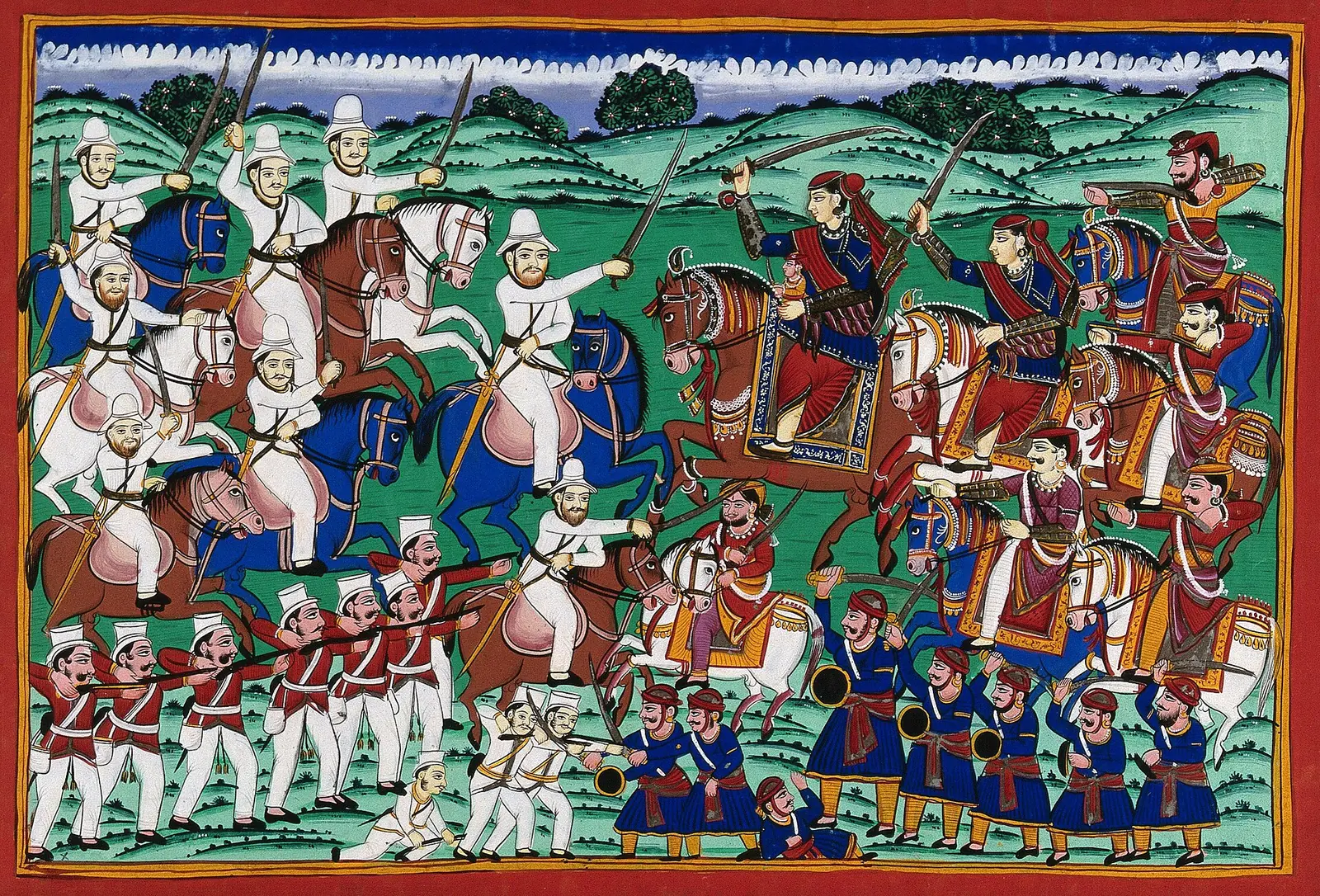
The First Anglo-Afghan War had gone to ruin by the winter of 1841. Elphinstone’s army left Kabul in January 1842 and was destroyed on the passes, while Sale’s brigade held out at Jalalabad. Relief had to come from Peshawar through the Khyber. Brigadier Wild was sent ahead with four sepoy battalions, but he had few guns fit for the work and little transport, and the Sikh troops expected to help him did not come forward.
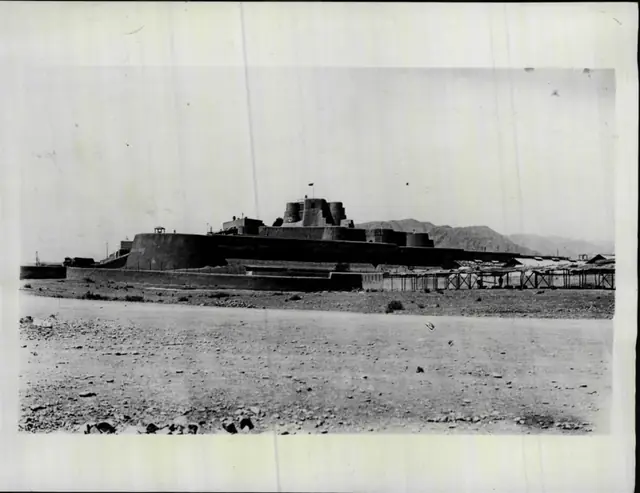
02Turned back at Ali Masjid
Wild sent part of his force to hold the fort of Ali Masjid and tried to follow with the rest on 19 January 1842. The Afridis held the crags on both sides of the defile. A gun carriage broke, the sepoys came under fire they could not answer, and the column fell back to Jamrud. The men in Ali Masjid, short of water, had to abandon it days later. The pass stayed shut until Pollock forced it on 5 April 1842.
Wild’s failure showed how hard the Khyber was to force without heavy guns and the hill-tribes’ consent, a lesson the British met again in 1878 and 1897.