Cite
MLA
“Battle of Panjtar.” Hindu History, 2026, https://www.hinduhistory.in/battles/battle-of-panjtar-1836/. Accessed .
APA
Hindu History. (2026). Battle of Panjtar. Retrieved , from https://www.hinduhistory.in/battles/battle-of-panjtar-1836/
Fateh Khan’s men were scattered into the hills and he signed a submission to the Sikh state, which he soon ignored.
01The khan of Panjtar
Panjtar, in the hills of the Yusufzai country north of the Kabul river, had been Syed Ahmad’s headquarters in the late 1820s, and its chief Fateh Khan had fought beside him. After Balakot he went on harrying the Sikh posts in the plain. In 1836 his raids grew bolder, and Hari Singh Nalwa, governor of Peshawar, led an army against him.
02Submission and defiance
The Sikh force attacked Panjtar in November 1836, and the tribesmen broke and fled to the hills with many killed. Fateh Khan was made to sign a document of submission to the Sikh state. As soon as the army left, he behaved as though he had never signed, and the raids began again. The Maharaja later sent Gulab Singh to settle the country, and the Yusufzai withdrew into the mountains. Within months Nalwa was dead, killed at Jamrud in April 1837.
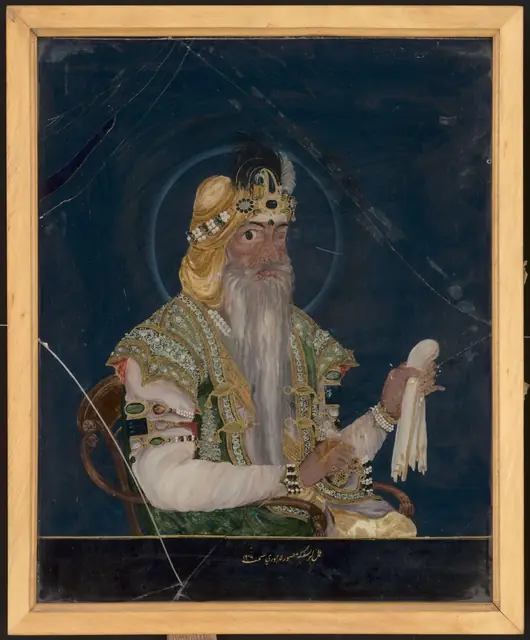
Panjtar was one of Hari Singh Nalwa’s last campaigns, typical of the endless hill fighting that held the Sikh frontier together.