Cite
MLA
“Bappa Rawal takes Chittor.” Hindu History, 2026, https://www.hinduhistory.in/battles/bappa-rawal-takes-chittor/. Accessed .
APA
Hindu History. (2026). Bappa Rawal takes Chittor. Retrieved , from https://www.hinduhistory.in/battles/bappa-rawal-takes-chittor/
By Mewar tradition, Bappa took Chittor from the Mori ruler and made it the seat of the Guhila house.
01What tradition says
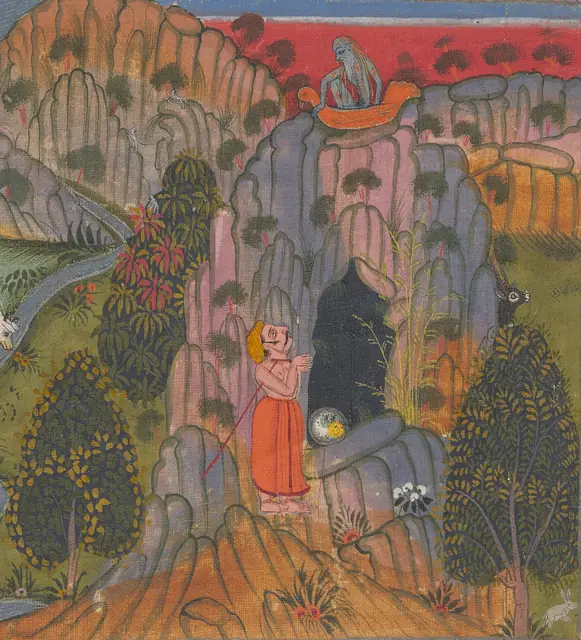
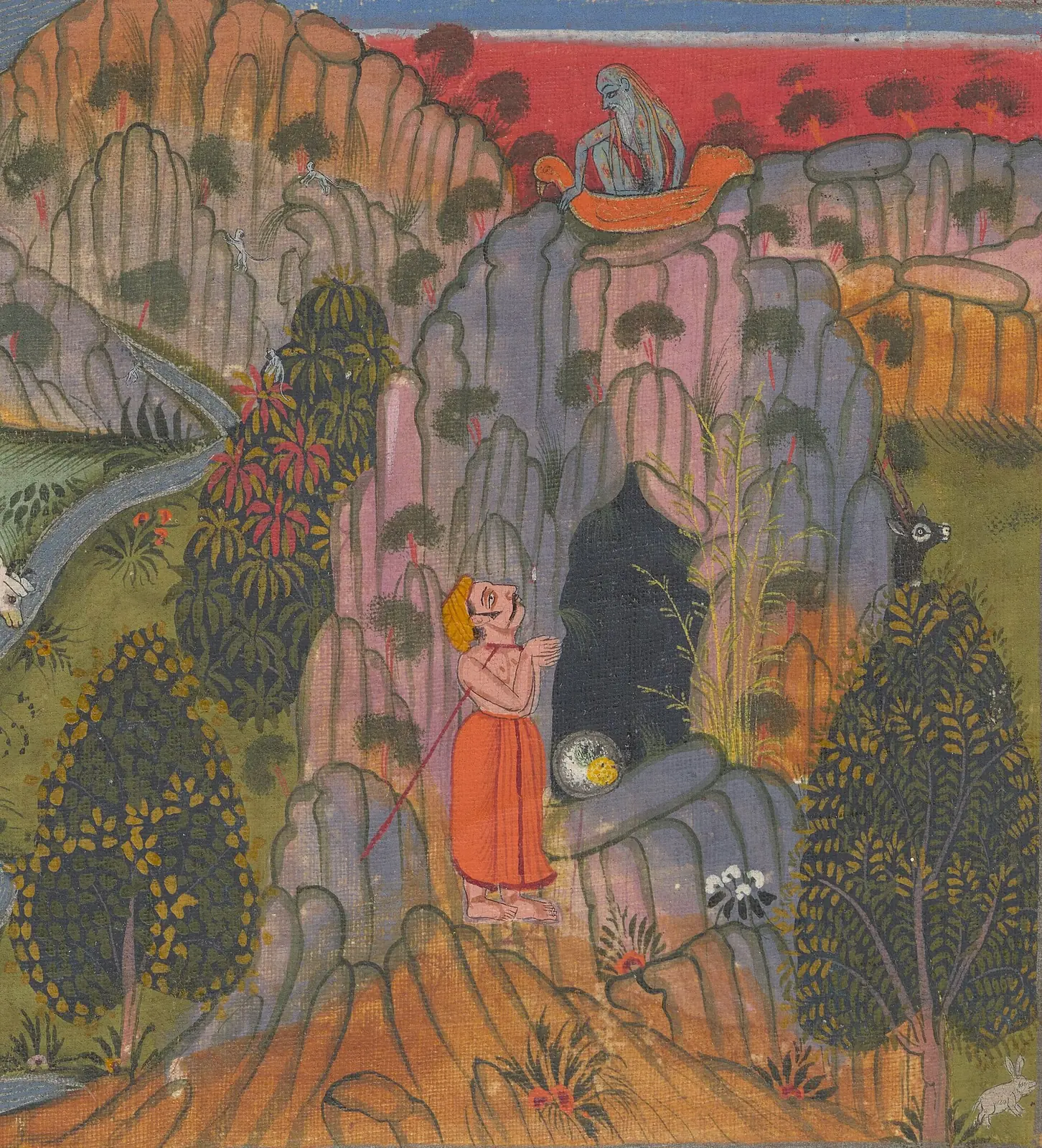
The Mewar account makes Bappa a boy raised among cowherds near Nagda, who served the sage Harita Rashi at the shrine of Ekalingji and received his blessing. Grown to manhood, he went to Chittor, then held by the Mori ruler Man, a kinsman on his mother’s side, and in time took the fort from him. The Ekalinga Mahatmya says Bappa gave up the kingdom to his son and took to renunciation, and gives a year equal to 753 CE for it.
02What history can confirm
Bappa is named as an ancestor in the Guhila inscriptions from the tenth century on, including the Ekalingji temple inscription of 971, and gold coins bearing the name Shri Voppa have been attributed to him, though the reading is debated. A Mori ruler named Manabhanga is known from a Chittor inscription of 713. Some historians link Bappa’s rise with the resistance to the Arab raids of the 730s; that link is a reasoned guess, not a recorded fact.
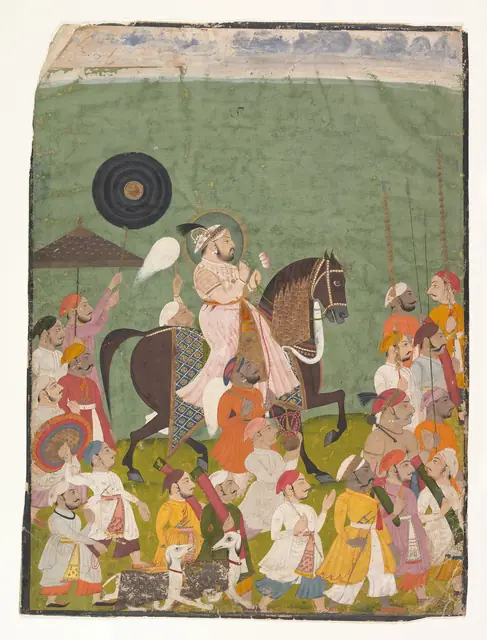
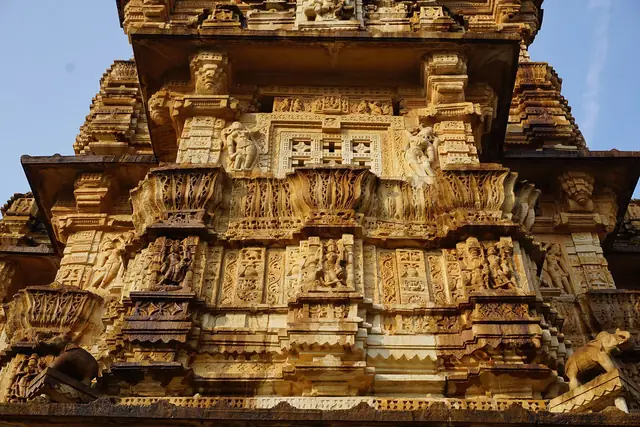
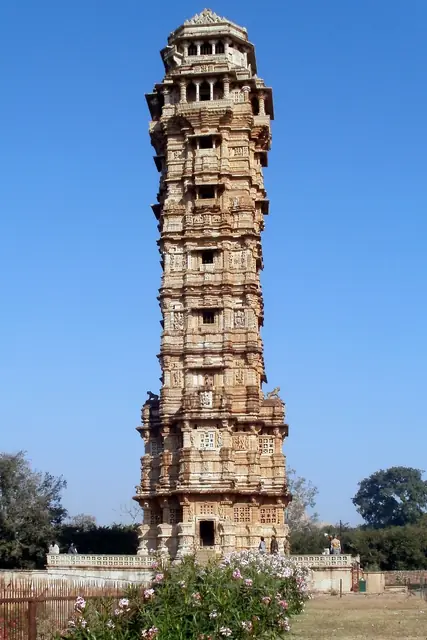
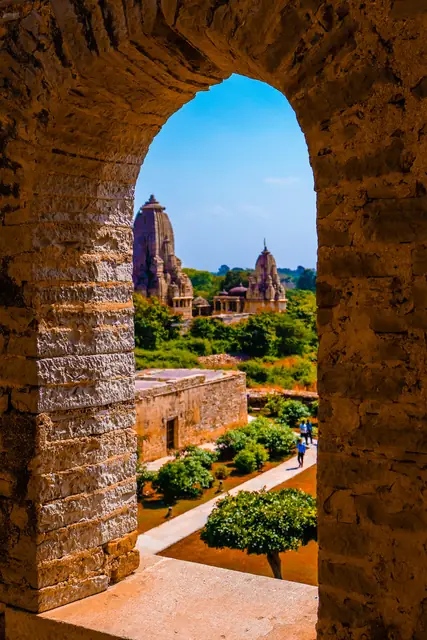
Chittor became the seat of the Guhila-Sisodia house, which held Mewar for twelve centuries.