Cite
MLA
“Bakhtiyar Khalji’s raid on Bihar and the sack of Odantapuri.” Hindu History, 2026, https://www.hinduhistory.in/battles/bakhtiyar-khalji-sack-of-bihar/. Accessed .
APA
Hindu History. (2026). Bakhtiyar Khalji’s raid on Bihar and the sack of Odantapuri. Retrieved , from https://www.hinduhistory.in/battles/bakhtiyar-khalji-sack-of-bihar/
Bakhtiyar stormed Odantapuri, killed its monks and burned its library; the great monasteries of Magadha were ruined.
01Minhaj’s account
Minhaj-i-Siraj heard the story from one of the men who took part. Bakhtiyar, he writes, attacked a fortified place with two hundred horsemen. Most of its inhabitants were Brahmans with shaven heads, and they were all killed. Afterwards the raiders found a great number of books, and when they sought someone to explain them, they learned that the whole place was a college, called in the Hindi tongue vihar. The monks were Buddhist, and the place is identified with Odantapuri.
02Nalanda and Vikramashila
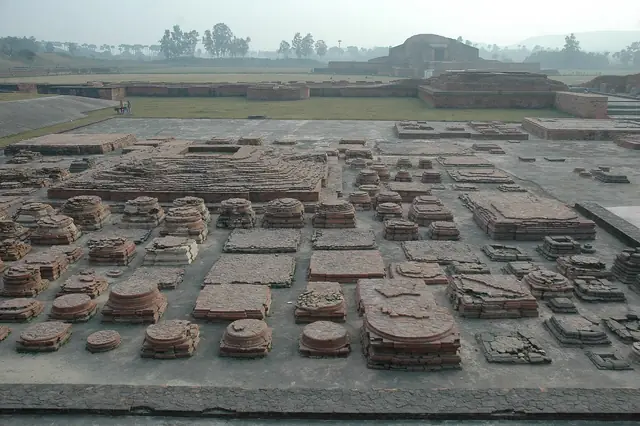
The same years saw the ruin of Vikramashila and the decline of Nalanda. The Tibetan monk Dharmasvamin, who visited Nalanda in 1235, found most of its buildings damaged and deserted and an aged teacher, Rahula Shribhadra, still instructing a few students in hiding. The province took its name, Bihar, from the vihara Bakhtiyar destroyed. From Bihar he went on to strike the Sena capital at Nadia and then, in 1206, met his own end in Kamarupa.
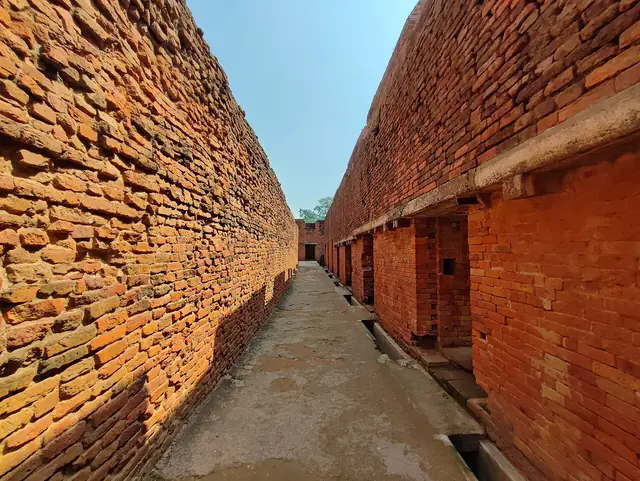
It ended the great monastic universities of Magadha, which had taught students from all of Asia for seven centuries.