Cite
MLA
“Rath Yatra.” Hindu History, 2026, https://www.hinduhistory.in/utsav/rath-yatra/. Accessed .
APA
Hindu History. (2026). Rath Yatra. Retrieved , from https://www.hinduhistory.in/utsav/rath-yatra/
How it is kept
- 01
Snana Purnima bath and the fortnight of anasara before the yatra
- 02
Pahandi: the deities carried swaying to the chariots
- 03
Chhera Pahanra by the Gajapati king
- 04
Pulling the ropes of the chariots
- 05
Bahuda Yatra and Suna Besha on the return
01Three chariots
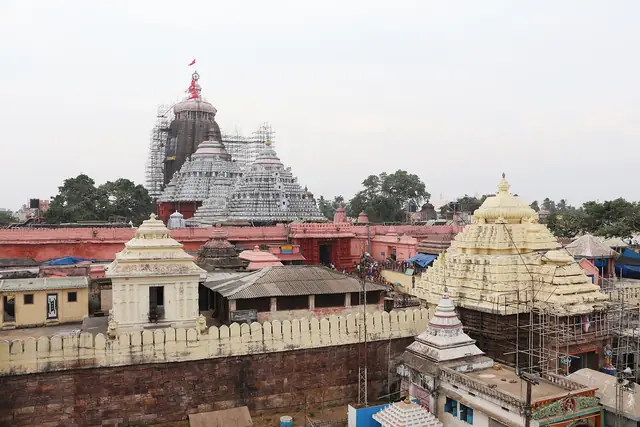
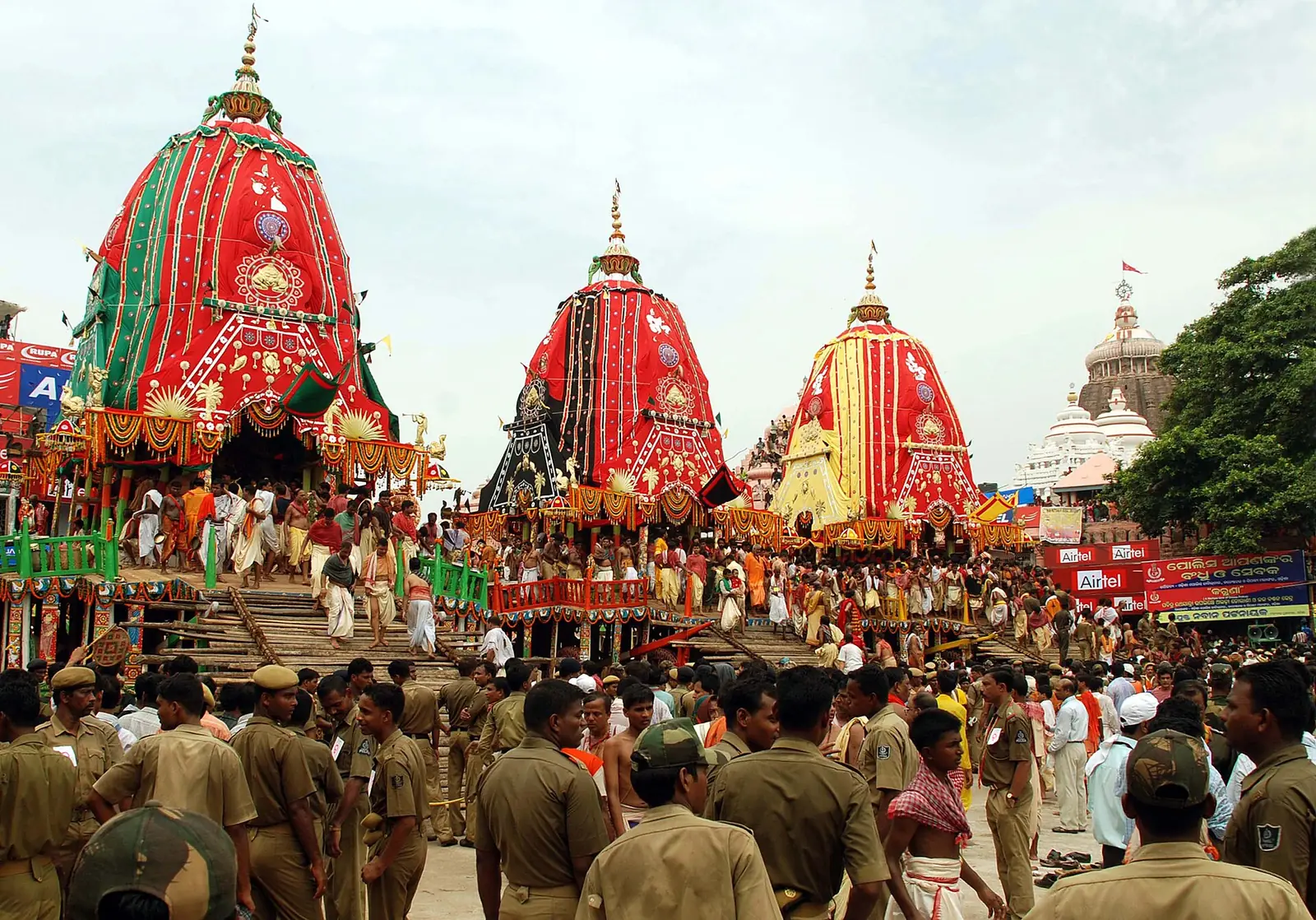
The Purushottama Kshetra Mahatmya of the Skanda Purana tells of King Indradyumna, who built the temple and set up the wooden forms of the deities, and of the yatra to Gundicha, the queen’s house. Two weeks before, on Snana Purnima, the deities are bathed with 108 pots and fall ill; they are hidden from view in anasara until the eve of the yatra. The chariots are built anew from Akshaya Tritiya: Nandighosha of Jagannath with sixteen wheels, Taladhwaja of Balabhadra with fourteen, Darpadalana of Subhadra with twelve. Before the pulling, the Gajapati king of Puri sweeps each chariot with a golden broom, the Chhera Pahanra.
02Return, and the yatra abroad
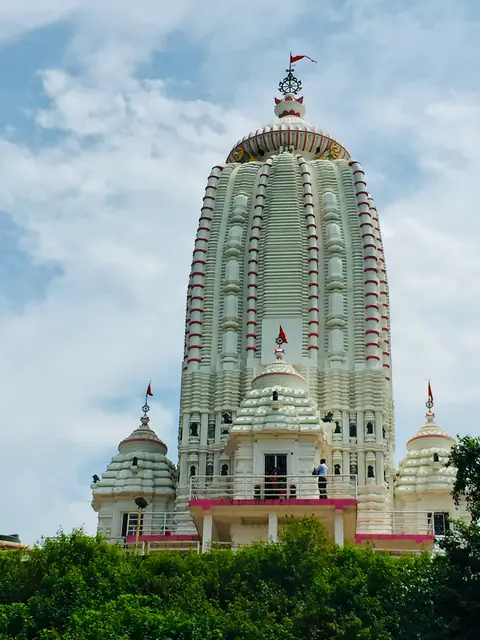
After nine days at Gundicha the deities return on the Bahuda Yatra, stop at the Mausi Maa temple for poda pitha, and on Ekadashi are dressed in gold on their chariots, the Suna Besha, before being carried back inside. Ahmedabad has held its Rath Yatra from the Jagannath temple in Jamalpur since 1878, and Mahesh near Serampore claims a yatra more than six centuries old. In 1967 the followers of A. C. Bhaktivedanta Swami pulled a chariot through San Francisco, and ISKCON’s Rath Yatras now run in cities on every continent.
Puri above all; Ahmedabad, Mahesh near Serampore, Ranchi and towns across Odisha; ISKCON processions in London, New York, Durban and dozens of cities