Cite
MLA
“Guru Purnima (Vyasa Purnima).” Hindu History, 2026, https://www.hinduhistory.in/utsav/guru-purnima/. Accessed .
APA
Hindu History. (2026). Guru Purnima (Vyasa Purnima). Retrieved , from https://www.hinduhistory.in/utsav/guru-purnima/
How it is kept
- 01
Padapuja and offerings to one’s guru
- 02
Vyasa Puja by sannyasis and the start of Chaturmasya
- 03
Recitation of the Guru Gita
- 04
Diksha given in ashrams and mathas
01The day of Vyasa
Krishna Dvaipayana, born on an island in the Yamuna to Satyavati and the rishi Parashara, divided the one Veda into four, taught them to Paila, Vaishampayana, Jaimini and Sumantu, composed the Mahabharata and, tradition holds, the Puranas and the Brahma Sutras. So every guru sits in the seat of Vyasa, the vyasapitha. The Skanda Purana’s Guru Gita, spoken by Shiva to Parvati, is recited on this day: gurur brahma gurur vishnur gurur devo maheshvarah, guruh sakshat param brahma tasmai shri gurave namah.
02Vyasa Puja and Chaturmasya
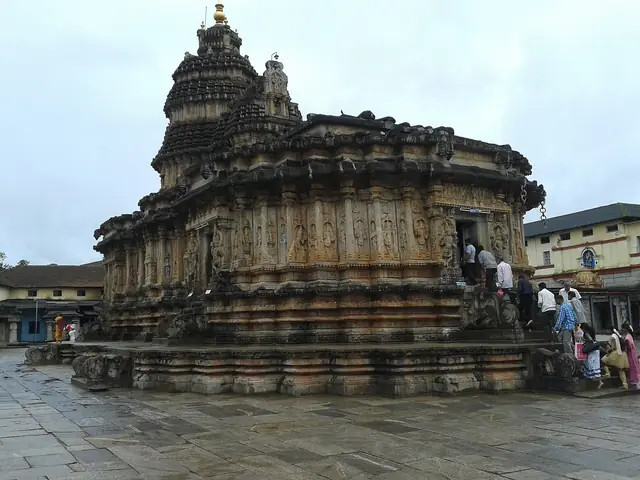
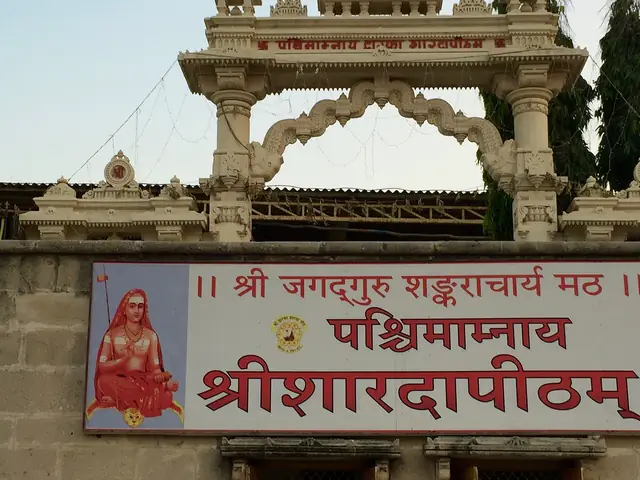
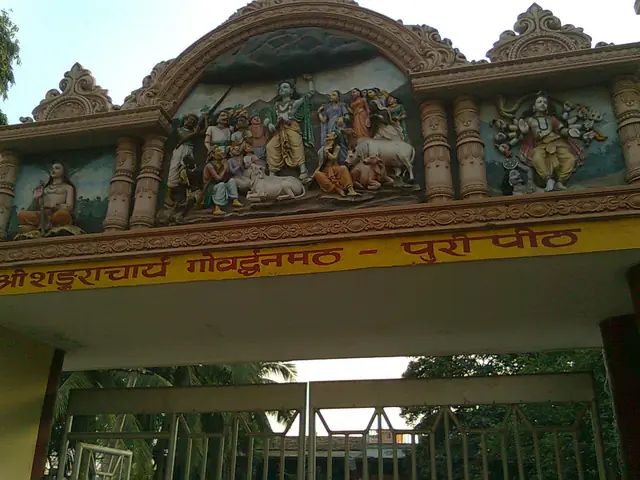
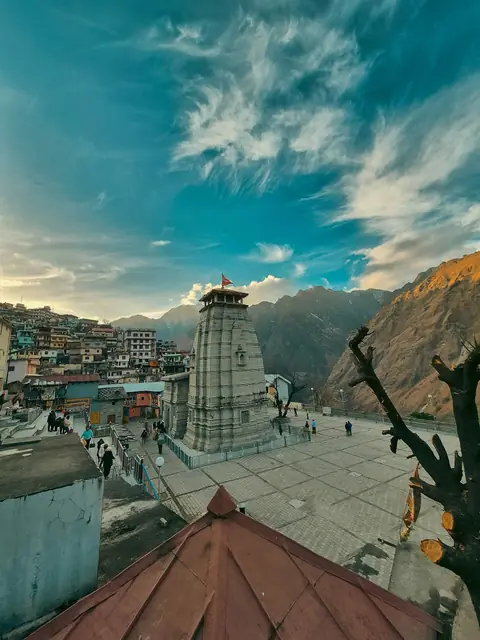
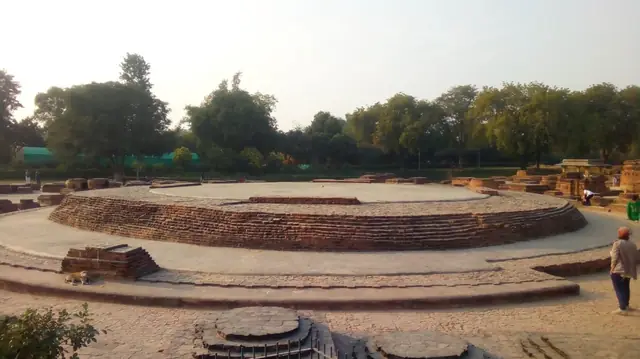
In the four Amnaya mathas founded by Adi Shankaracharya, at Sringeri, Dwarka, Puri and Jyotirmath, the Shankaracharya performs Vyasa Puja on this full moon and takes the Chaturmasya vow, staying in one place through the rains; devotees come for darshan and diksha. Ashrams hold padapuja of the guru, and in the music gharanas students tie the ganda thread or offer their teacher a gift. In Buddhist lands the same full moon is kept as the day of the first sermon at Sarnath.
All of Bharat and Nepal, in every ashram, matha and school of music