Cite
MLA
“Krishna Janmashtami.” Hindu History, 2026, https://www.hinduhistory.in/utsav/janmashtami/. Accessed .
APA
Hindu History. (2026). Krishna Janmashtami. Retrieved , from https://www.hinduhistory.in/utsav/janmashtami/
How it is kept
- 01
A day-long fast, broken after the midnight birth
- 02
Midnight abhisheka of Bal Gopal with panchamrit and a cradle swing
- 03
Jhankis: tableaux of the Krishna lila in temples and homes
- 04
Dahi Handi human pyramids in Maharashtra
- 05
Nandotsav the next morning
01The birth in the prison
The Bhagavata Purana (10.3) describes the hour: Rohini nakshatra was rising, the sky was clear, the rivers ran clean, and at midnight Vasudeva saw before him a child with four arms holding conch, discus, mace and lotus. At Devaki’s plea the child took an ordinary form. The chains fell, the guards slept, and Vasudeva carried him through the flooding Yamuna, Shesha spreading his hoods over the basket, to Gokul, where he exchanged him for Yashoda’s newborn daughter. The Vishnu Purana and the Harivamsha tell the same night.
02Midnight, then the handi
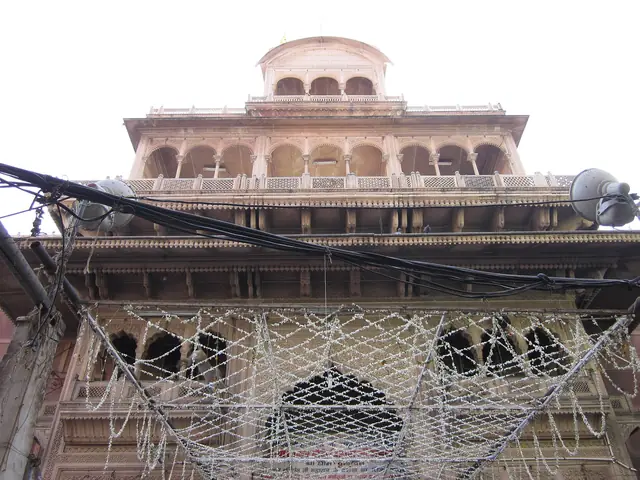
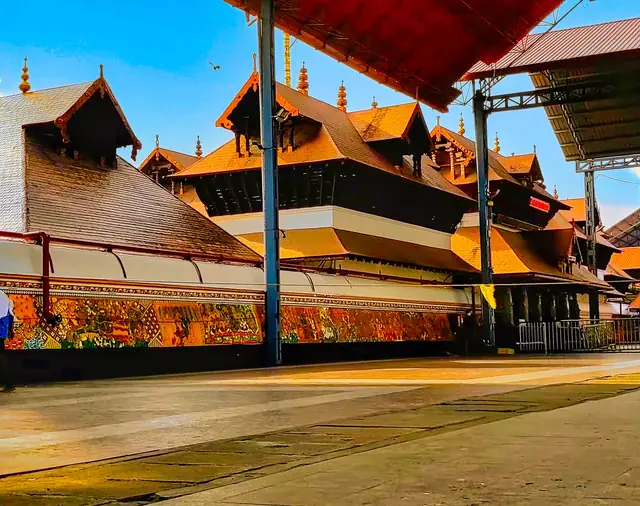
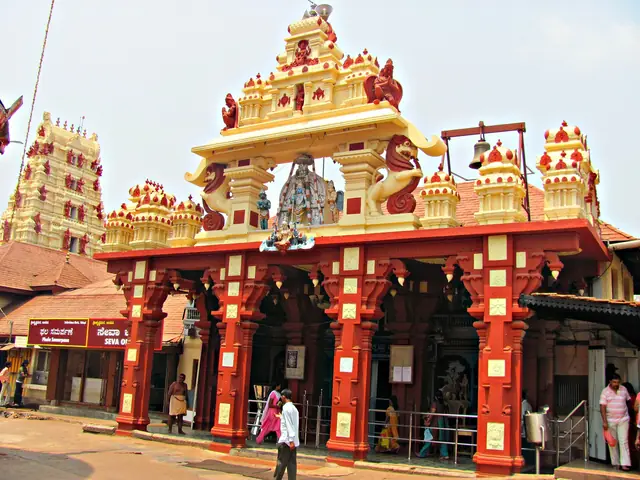
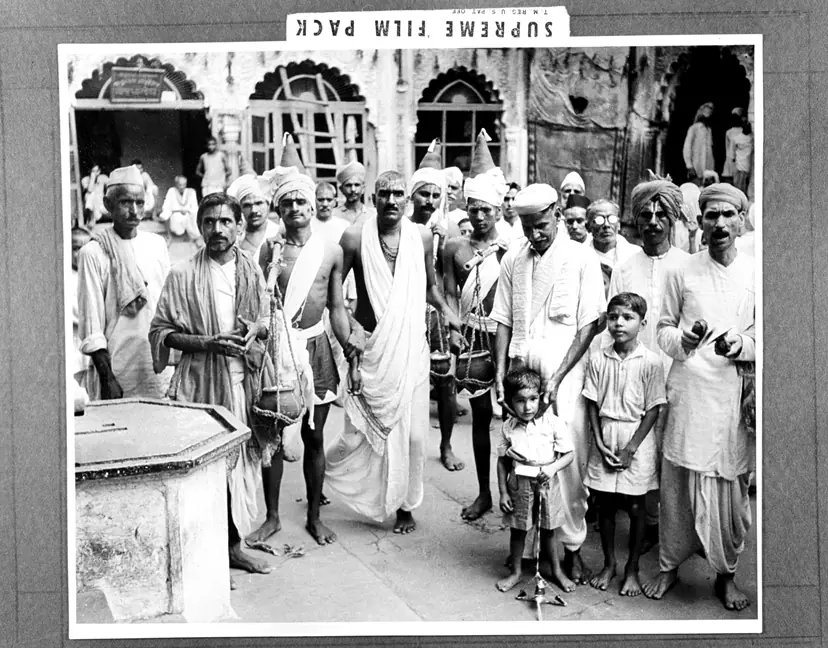
In Mathura the Krishna Janmabhoomi and in Vrindavan the old temples keep the abhisheka at midnight with milk, curd, ghee, honey and sugar, and the fast is broken with panjiri and charnamrit. Banke Bihari holds its mangala aarti only once a year, at this midnight. The next day is Nandotsav in Gokul. In Maharashtra young men form human pyramids to break the dahi handi slung high across the street, as the child Krishna and his friends stole butter from the gopis’ hanging pots. Gujarat’s Dwarka and Kerala’s Guruvayur, where it is called Ashtami Rohini, fill with pilgrims.
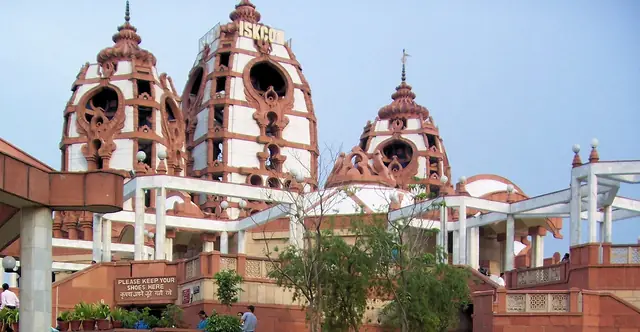
All of Bharat; Mathura, Vrindavan and Dwarka above all; Dahi Handi in Maharashtra; Ashtami Rohini in Kerala; ISKCON temples worldwide