Cite
MLA
“Hanuman Jayanti.” Hindu History, 2026, https://www.hinduhistory.in/utsav/hanuman-jayanti/. Accessed .
APA
Hindu History. (2026). Hanuman Jayanti. Retrieved , from https://www.hinduhistory.in/utsav/hanuman-jayanti/
How it is kept
- 01
Hanuman Chalisa and Sundara Kanda recited, often 108 times
- 02
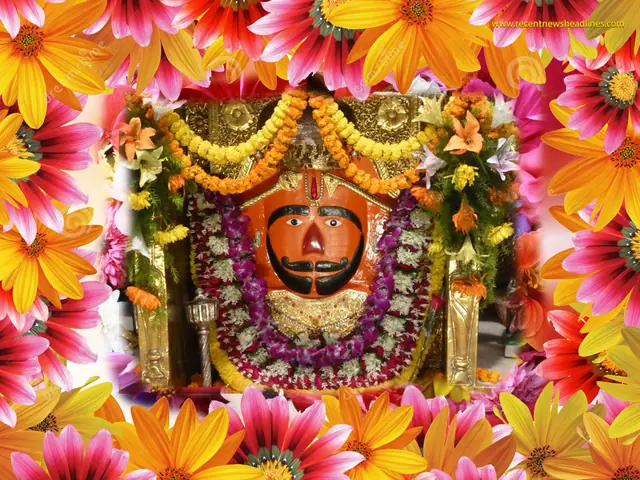
Fresh sindoor and jasmine oil applied to the murti
- 03
Boondi, laddoo or vada offered and distributed
- 04
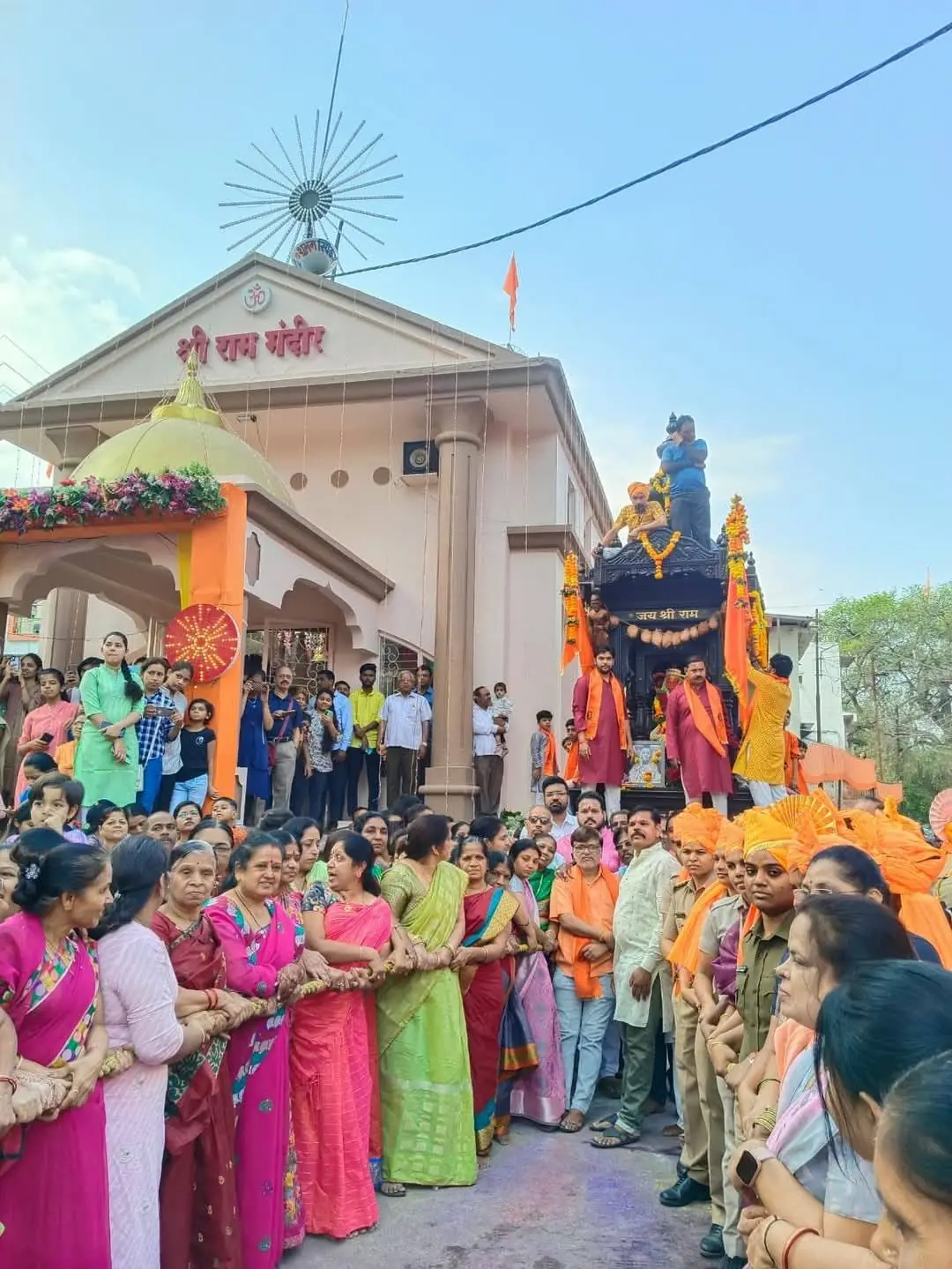
Processions with Hanuman’s gada and saffron flags
01The child who leapt at the sun
The Valmiki Ramayana (Kishkindha Kanda, sarga 66) has Jambavan remind Hanuman of his birth on the shore before the leap to Lanka: Anjana, an apsara born as a vanari, bore him by the blessing of Vayu. As a newborn he saw the rising sun and, taking it for a ripe fruit, leapt for it; Indra struck him with the vajra on the jaw, the hanu, and so he was named. Vayu in grief withdrew the air from all beings, until the devas restored the child and showered him with boons.
02Many regions, many tithis
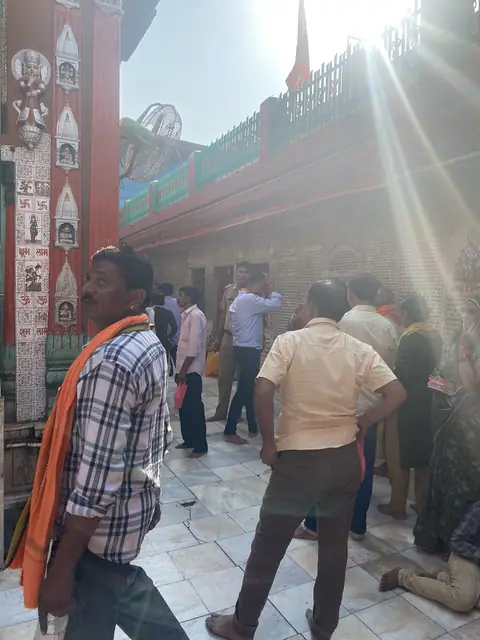
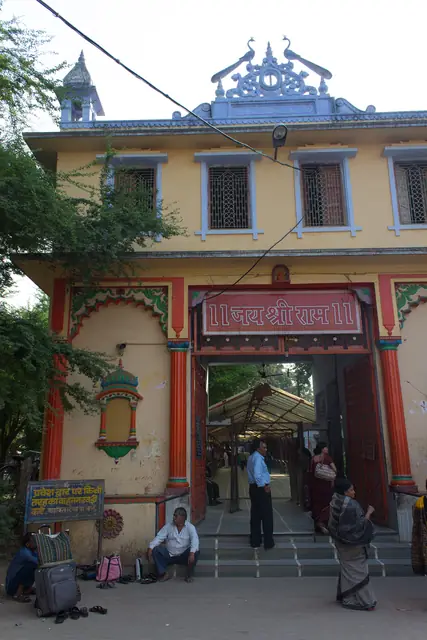
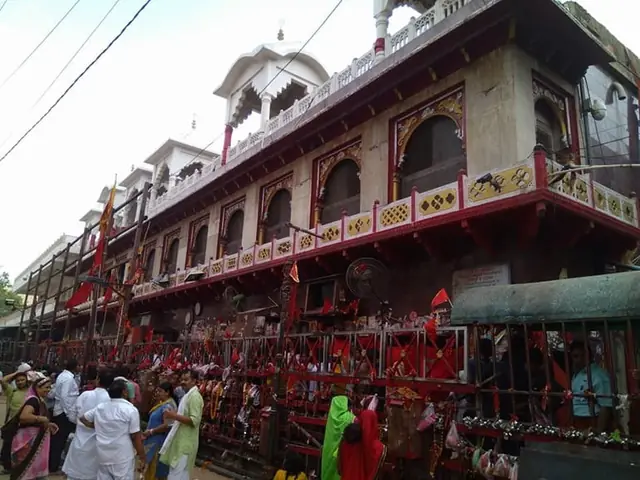
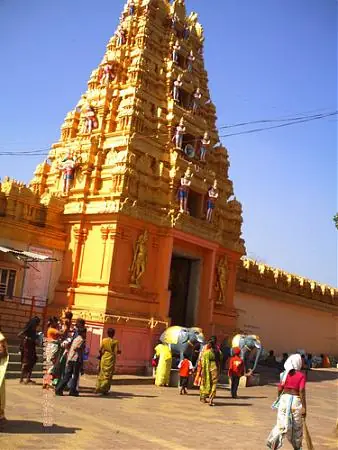
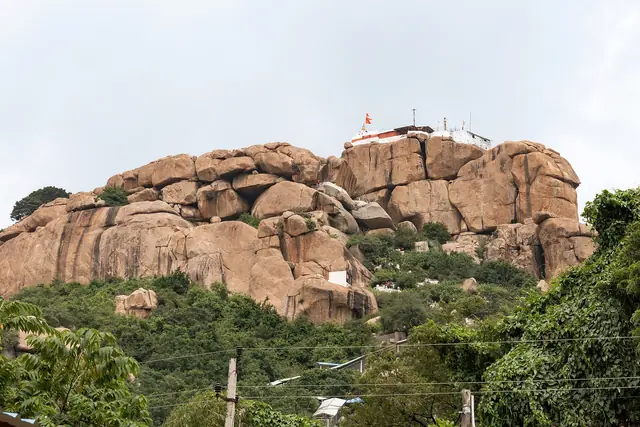
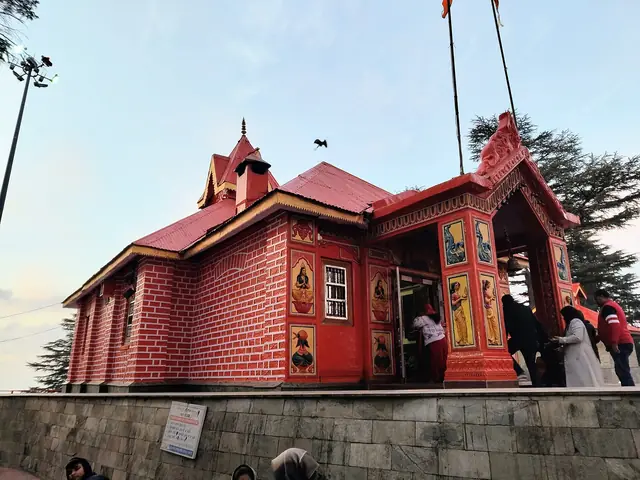
North India keeps Chaitra Purnima, a week after Ram Navami. At Hanumangarhi in Ayodhya the janmotsav falls on Kartika Krishna Chaturdashi, the night before Diwali. Andhra Pradesh and Telangana count a forty-one day deeksha that ends on Vaishakha Krishna Dashami, when devotees in saffron climb to Kondagattu. Karnataka keeps Hanuman Vratam on Margashirsha Shukla Trayodashi, and Tamil Nadu celebrates Hanumath Jayanthi on the amavasya of Margazhi under Moola nakshatra, when the great Anjaneya at Namakkal is garlanded with vadas.
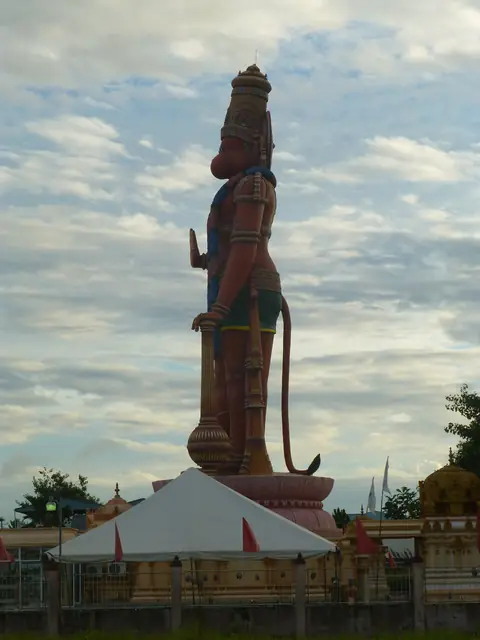
All of Bharat, each region on its own tithi; Hanuman temples of the Caribbean, Fiji and Mauritius