Cite
MLA
“Kamadeva.” Hindu History, 2026, https://www.hinduhistory.in/devata/kamadeva/. Accessed .
APA
Hindu History. (2026). Kamadeva. Retrieved , from https://www.hinduhistory.in/devata/kamadeva/
कामस्तदग्रे समवर्तताधि मनसो रेतः प्रथमं यदासीत्।
सतो बन्धुमसति निरविन्दन् हृदि प्रतीष्या कवयो मनीषा॥
kāmas tad agre sam avartatādhi manaso retaḥ prathamaṃ yad āsīt |
sato bandhum asati nir avindan hṛdi pratīṣyā kavayo manīṣā ||
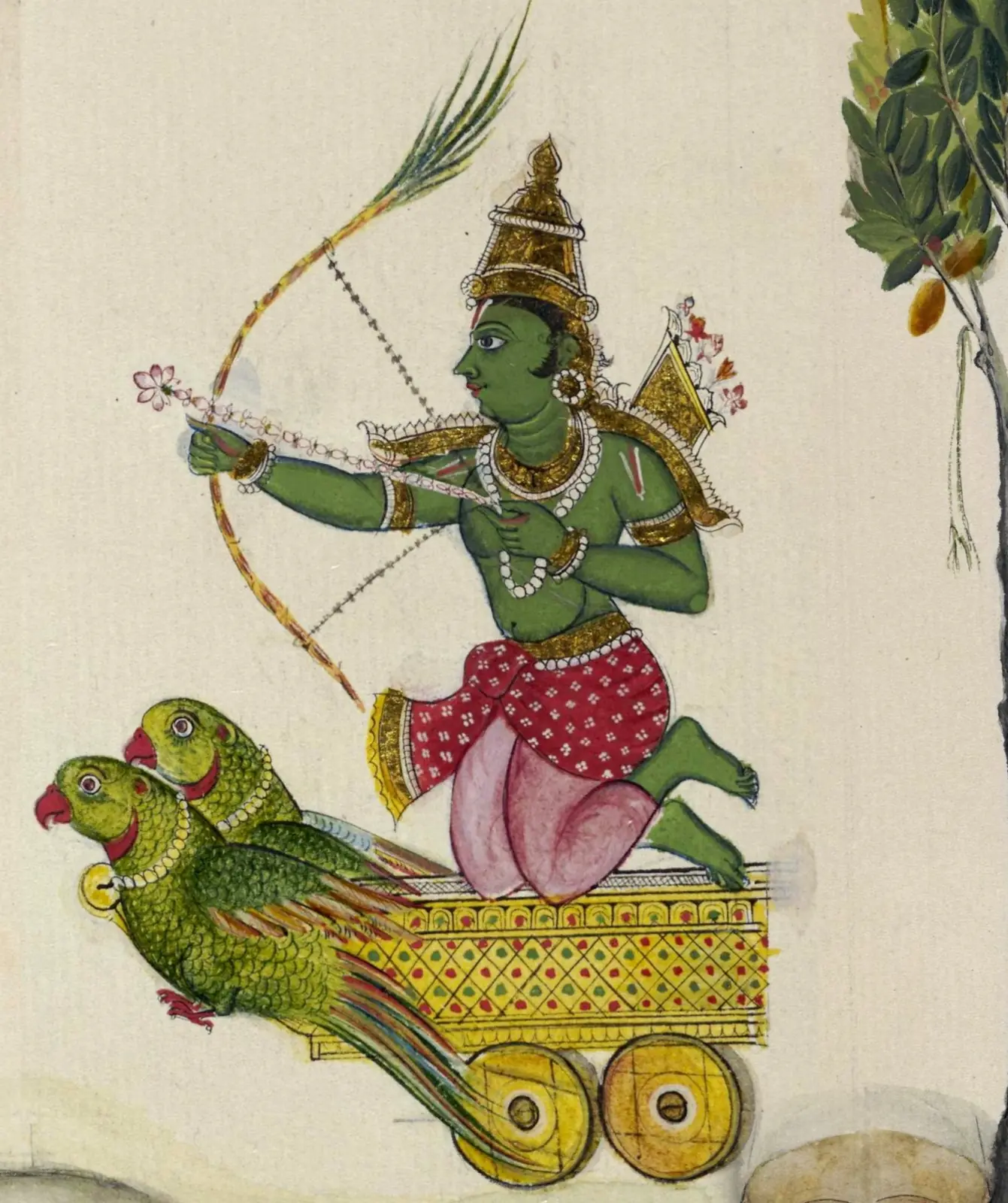
A handsome youth, often green or dark, holding a bow of sugarcane strung with a line of humming bees and five arrows tipped with flowers: ashoka, mango blossom, jasmine, blue lotus and white lotus. He rides a parrot, or a chariot drawn by parrots, and his banner carries the makara. Rati walks beside him, and Vasanta, the spring, is his companion.
01Desire, the first seed
Kama is old in the Veda. The Nasadiya Sukta (Rigveda 10.129.4), speaking of the time before there was being or non-being, says that in the beginning desire arose, kāmas tad agre sam avartatādhi, the first seed of mind, and that the seers searching their hearts found in it the bond between what is and what is not. The Atharvaveda calls on Kama by name: hymn 9.2 asks him to fulfil wishes and drive off rivals, hymn 19.52 praises him as a giver of plenty, and 3.25 already knows his arrows. Over time the force became a person, the Deva who sets every creature, deva or human, longing for another.
02Burnt by Shiva
After Sati’s death Shiva sat in unbroken tapas, while the asura Taraka, who could die only at the hands of Shiva’s son, ruled the worlds. The devas sent Kama to wake desire in Mahadev for Parvati, who was serving him in the Himalaya. Kama drew his bow; Shiva opened his third eye, and the god of love was ash. Rati’s lament fills the fourth canto of Kalidasa’s Kumarasambhava, and the burning itself the third. Shiva promised that Kama would live on without a body, as Ananga, and the Matsya and Bhagavata Puranas tell how he was born again as Pradyumna, son of Shri Krishna and Rukmini. The Matsya Purana gives the fullest early telling.
03Spring, Holi and Madan Kamdev
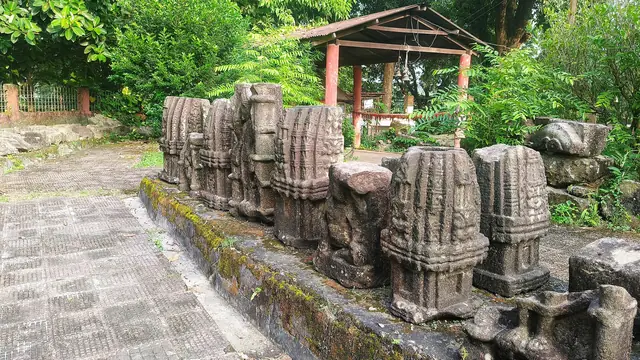
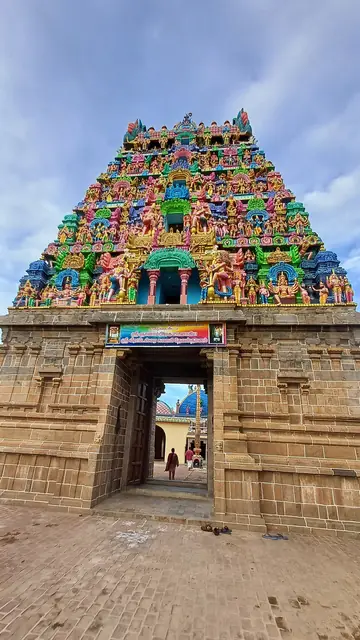
Kama has few temples of his own; his place is the season. Holi was once called Madana-mahotsava or Kama-mahotsava, the festival of love in the spring, and the ashoka tree, his own, is planted by temples. Shiva temples in the south carve the Kamadahana murti, Shiva burning Kama; at Tirukkurukkai near Mayiladuthurai, one of the eight Virattanam sthalas, the katha is held to have happened there. In Assam, the hillside of fallen temples at Madan Kamdev near Guwahati keeps the tradition that the god of love regained his form on that hill. The carving there belongs to the Pala kings of Kamarupa, about 900 to 1100, and was excavated from 1977.
In the texts
- Rigveda 10.129.4 (Nasadiya Sukta)
- Atharvaveda 3.25, 9.2 and 19.52
- Kumarasambhava of Kalidasa, cantos 3 and 4
- Matsya Purana and Shiva Purana, Rudra Samhita