Cite
MLA
“Third Anglo-Afghan War.” Hindu History, 2026, https://www.hinduhistory.in/battles/third-anglo-afghan-war-1919/. Accessed .
APA
Hindu History. (2026). Third Anglo-Afghan War. Retrieved , from https://www.hinduhistory.in/battles/third-anglo-afghan-war-1919/
The Afghan attacks were turned back, but by the Treaty of Rawalpindi Afghanistan won full control of its own foreign affairs.
01Bagh and Thal
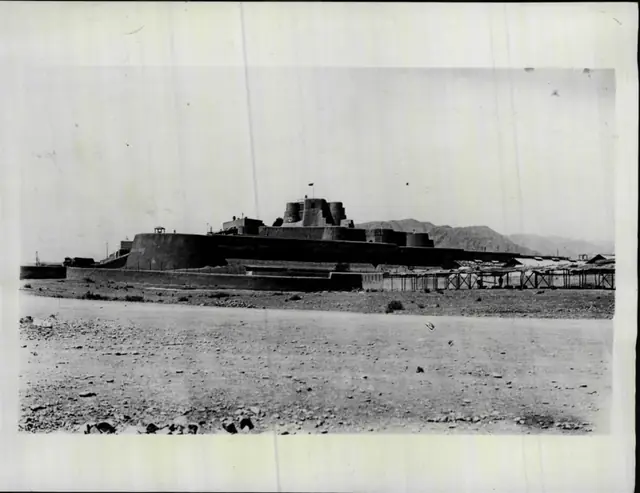
Amanullah came to power after his father Habibullah was murdered in February 1919. In early May Afghan troops occupied Bagh, at the head of the Khyber, hoping that the unrest in the Punjab that spring would spread. The British cleared Bagh and pushed on to Dakka. Further south, General Nadir Khan besieged the fort at Thal in the Kurram, and was turned back by a relief force under Brigadier-General Reginald Dyer. Aircraft bombed Jalalabad and, once, Kabul itself.
02Armistice and Rawalpindi
An armistice was agreed on 3 June 1919. India’s army was worn out after the First World War, and the tribes along the border, above all in Waziristan, had risen behind the British lines. The Treaty of Rawalpindi, signed on 8 August, ended the subsidy that had been paid to the Amirs and said nothing more of British control over Afghan foreign relations. A further treaty in 1921 confirmed Afghanistan as a fully independent state, and 19 August is kept there as Independence Day.
It closed the long contest over Afghanistan that began in 1839 and left the frontier tribes in a rising that lasted into the 1920s.