Cite
MLA
“Siege of Ranthambore (1569).” Hindu History, 2026, https://www.hinduhistory.in/battles/siege-of-ranthambore-1569/. Accessed .
APA
Hindu History. (2026). Siege of Ranthambore (1569). Retrieved , from https://www.hinduhistory.in/battles/siege-of-ranthambore-1569/
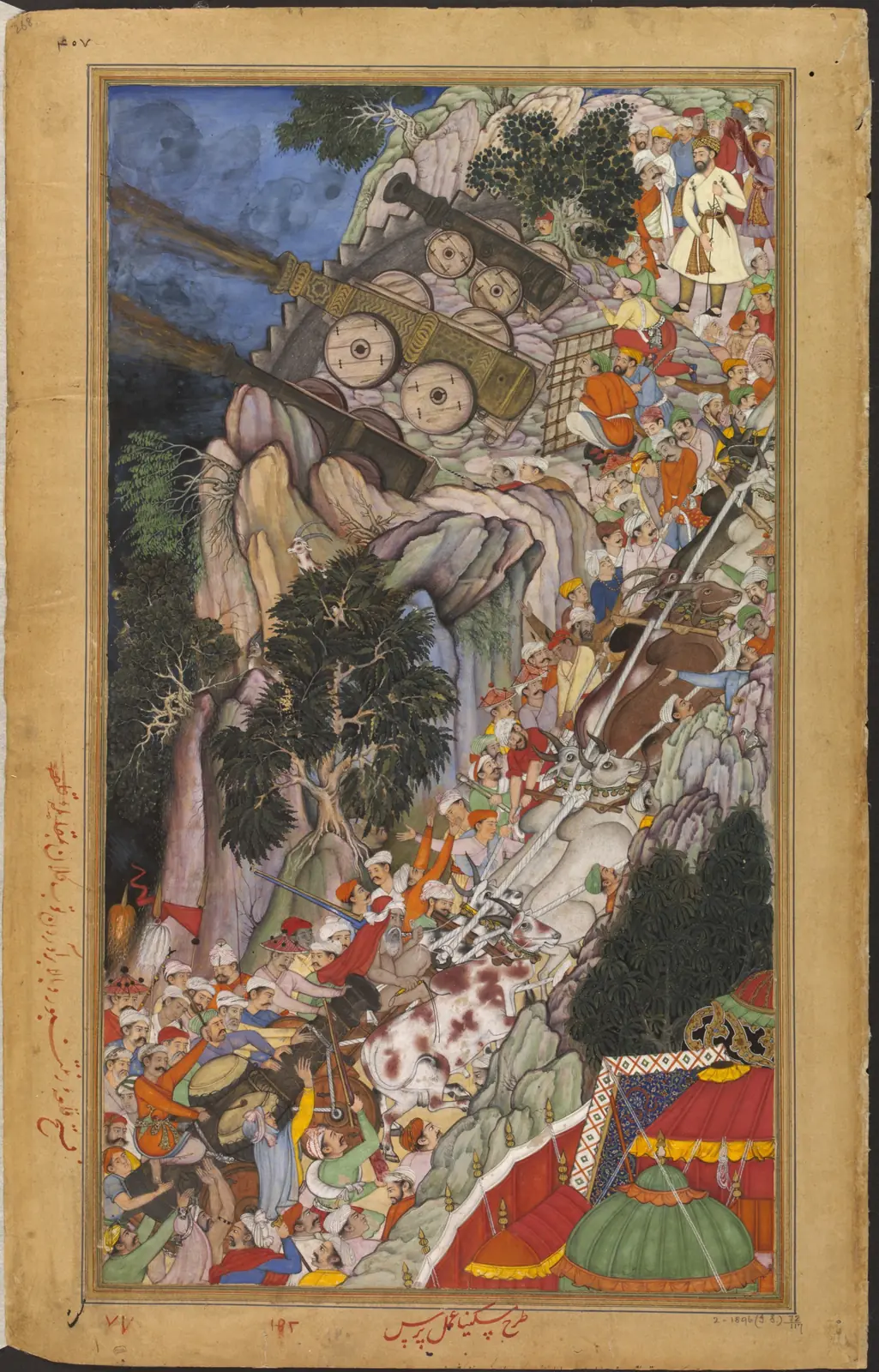
After the Mughal guns were hauled onto the hill facing the fort, Surjan Hada surrendered it and entered Mughal service.
01The fort of Hammir
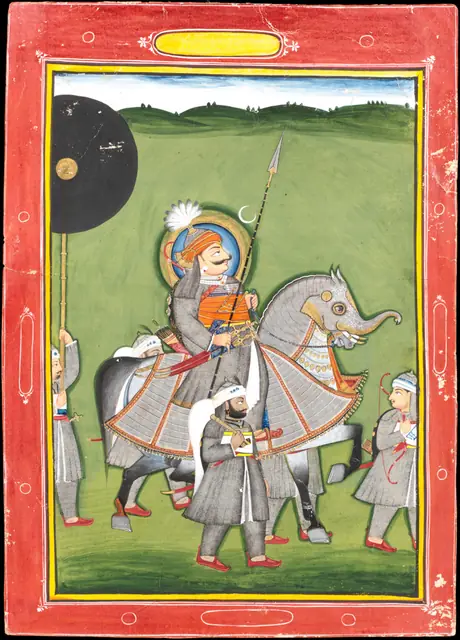
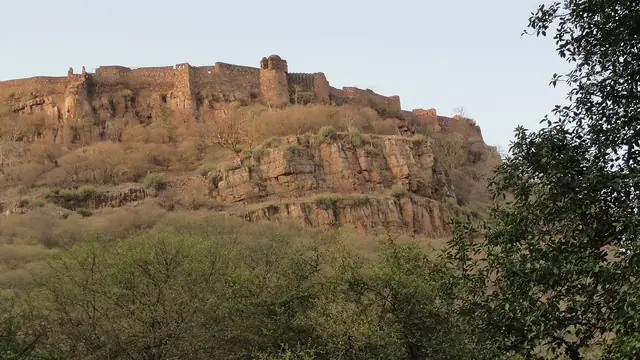
Ranthambore, in the forested hills where the Aravallis meet the Vindhyas, was the fort of Hammir Dev Chauhan, who died defending it against Alauddin Khalji in 1301. In the 1560s it was held by Rao Surjan of the Hada house of Bundi, on behalf of the Sisodias of Mewar. After the fall of Chittor in February 1568, Akbar marched on it.
02Guns on the Ran hill
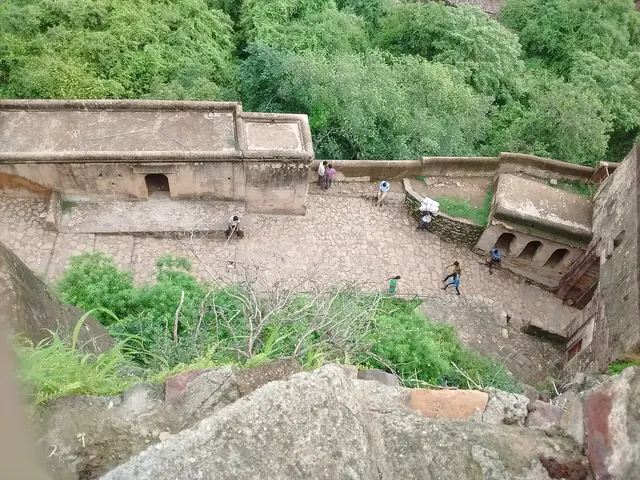
Abul Fazl’s Akbarnama, and the paintings made for it, show the decisive work. Teams of bullocks hauled heavy guns up the Ran, a hill that overlooks the fort from across a ravine. From there the batteries could fire into the palace and the walls. Surjan Hada saw that the place could not hold and opened talks. He gave up the fort in March 1569.
03Terms, not a massacre
Unlike Chittor, Ranthambore ended without a jauhar or a slaughter. Surjan entered Mughal service and was given commands far from his home, first in Garha-Katanga and later around Chunar and Banaras. Bundi’s court tradition holds that the Hadas won terms that protected their customs in Mughal service. Mewar under Maharana Pratap now stood almost alone.
With Chittor and Ranthambore both gone, the Mughals held the two great forts of eastern Rajasthan and most Rajput houses came to terms.