Cite
MLA
“War of the League of the Indies.” Hindu History, 2026, https://www.hinduhistory.in/battles/league-of-the-indies-1570/. Accessed .
APA
Hindu History. (2026). War of the League of the Indies. Retrieved , from https://www.hinduhistory.in/battles/league-of-the-indies-1570/
Goa and Chaul held out and the sultans made peace; only the Zamorin succeeded, taking the Portuguese fort at Chaliyam.
01A joint attack
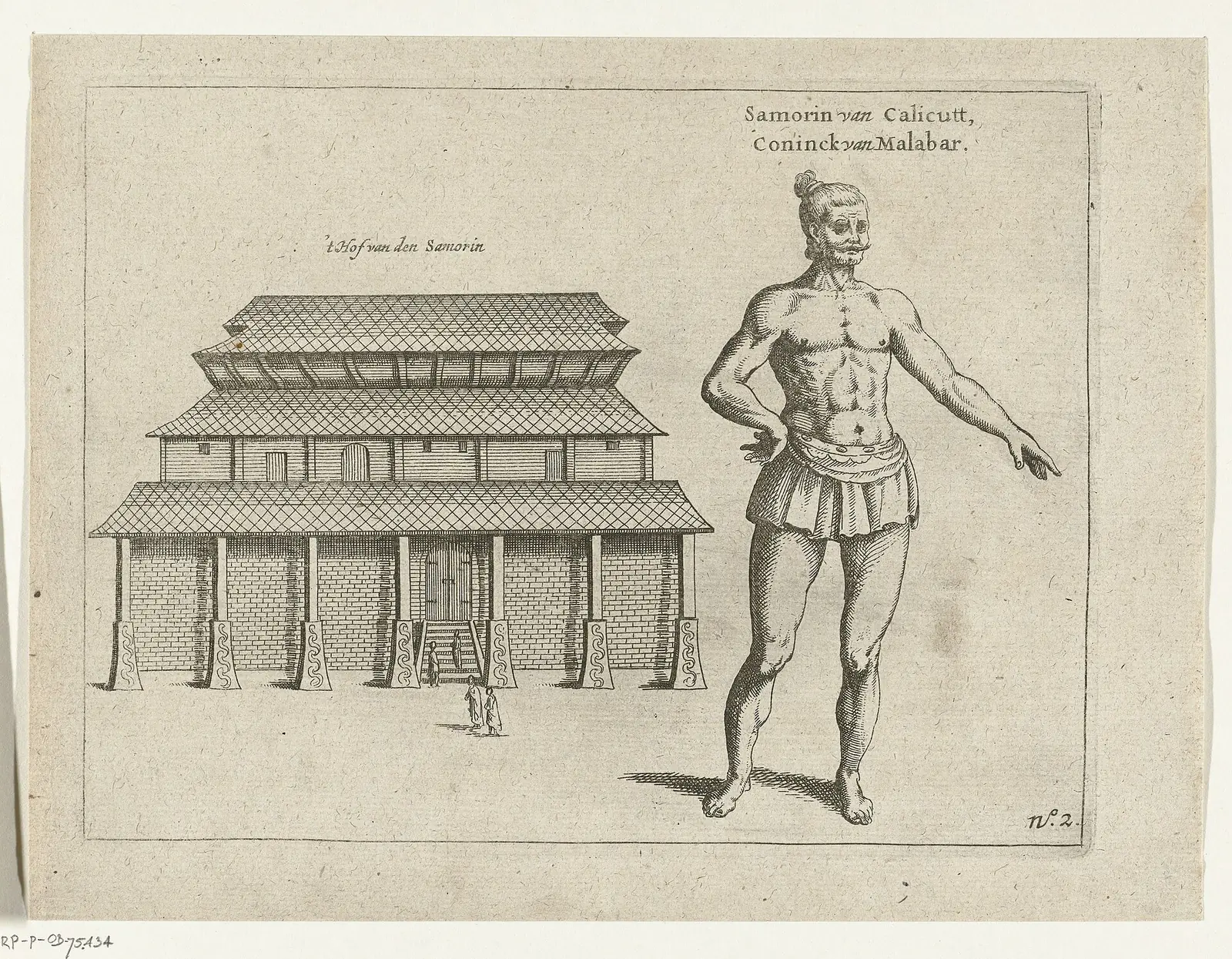
The Portuguese controlled the sea trade of the western coast through their forts and their system of passes, and the sultans of the Deccan resented it as much as the Zamorin did. In 1570 the three powers agreed to attack together. Ali Adil Shah led a great army with heavy guns against Goa in December 1570. Murtaza Nizam Shah besieged Chaul, the Portuguese port south of today’s Mumbai. The Zamorin moved on Chaliyam.
02Sieges that failed
The Viceroy Luís de Ataíde refused to strip Goa’s garrison to help the other forts and held the river crossings round the island. Bijapur’s army sat before Goa for most of 1571, losing men to disease and the monsoon, and withdrew. At Chaul the Portuguese also held. Both sultans made peace with the Portuguese in 1571. On the Malabar coast the Zamorin forced the surrender of Chaliyam that year, the only gain of the league.
The failure of the league left the Portuguese masters of the western sea for another generation, until the Dutch and English arrived.