Cite
MLA
“Siege of Gagron (1444).” Hindu History, 2026, https://www.hinduhistory.in/battles/siege-of-gagron-1444/. Accessed .
APA
Hindu History. (2026). Siege of Gagron (1444). Retrieved , from https://www.hinduhistory.in/battles/siege-of-gagron-1444/
Gagron fell after a siege; the defenders died fighting and the women performed jauhar.
01The second siege
Gagron, surrounded on three sides by the Ahu and Kali Sindh rivers, had fallen to Hoshang Shah of Malwa in 1423 after the death of Achaldas Khichi and a jauhar. The Khichis recovered it, and Palhan Singh, Achaldas’s son, held it with help from Rana Kumbha. In 1444 Mahmud Khalji besieged it. Persian chroniclers of Malwa record that the fort was taken after a hard siege; Rajput tradition remembers Palhan Singh’s death and the jauhar of the women.
02Mustafabad
Mahmud Khalji renamed the fort Mustafabad and strengthened it. The fall of Gagron was part of his long war with Rana Kumbha of Mewar, who had helped the Khichis, and it led directly to Mahmud’s attacks on Mandalgarh and Chittor in the following years. Gagron changed hands again in 1519, when Rana Sanga defeated Mahmud Khalji II there and took the sultan prisoner. The fort’s walls, rising straight from the water on three sides, still stand.
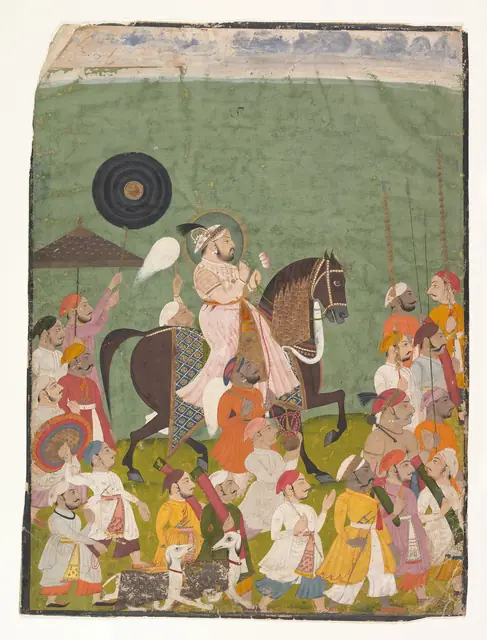
It gave Malwa a forward base against Mewar and opened Mahmud Khalji’s war on Rana Kumbha.